There’s something magical about watching your children’s eyes widen as they take their first steps above 3,000 metres, the air thin and crisp, the mountains towering all around. High-altitude trekking with kids isn’t just a holiday. It’s a shared story, a series of challenges, triumphs, and unforgettable moments stitched together across days of walking.
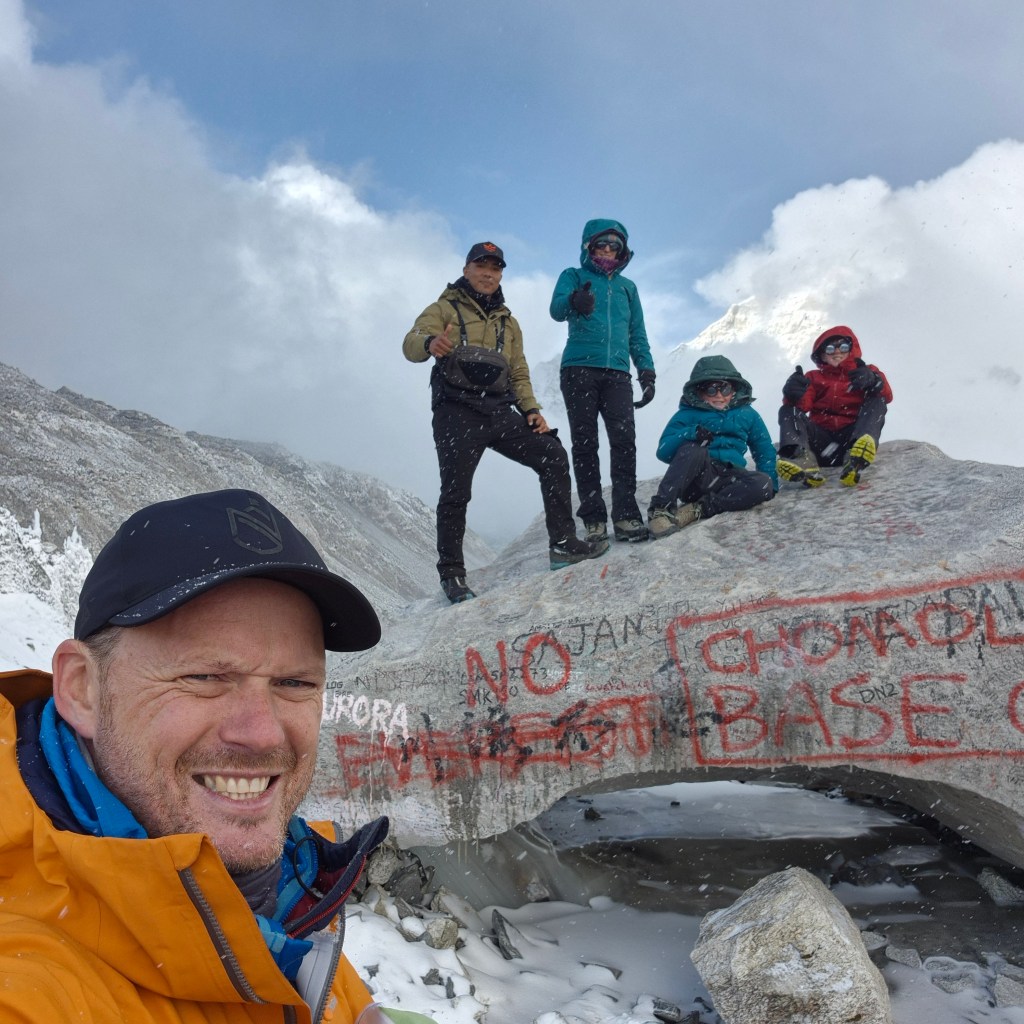
We’ve experienced this twice: on the Everest Base Camp trek in Nepal and on the remote Karakorum (K2 region) trail in Pakistan. Each trek tested us physically, mentally, and emotionally, but each also offered breathtaking landscapes, a sense of achievement, and lessons we’ll carry as a family forever.
For the full breakdown of each adventure, check out our detailed guides:
The Magic and the Challenge of Altitude
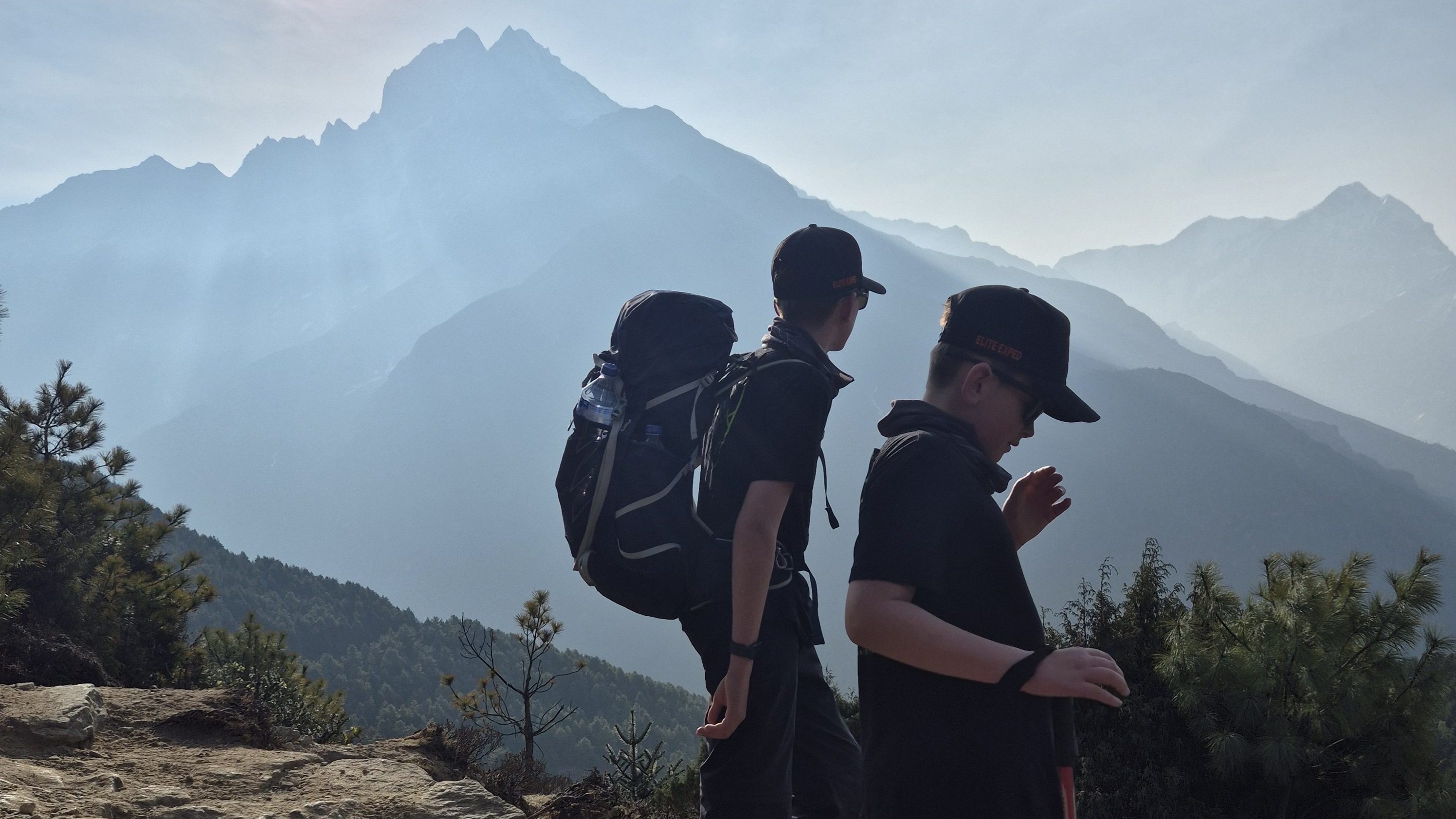
Our first morning in the Himalayas, we woke to a sun rising behind jagged peaks, painting the valley in gold. The children, rubbing sleepy eyes, were mesmerised by prayer flags fluttering in the wind and the distant sound of yaks on the trail. Altitude felt less like an enemy and more like a storyteller, teaching us to slow down, notice every detail, and celebrate small wins: a cup of steaming tea, a hearty breakfast of Tibetan bread and jam, or the first glimpse of a glacier snaking through the mountains.
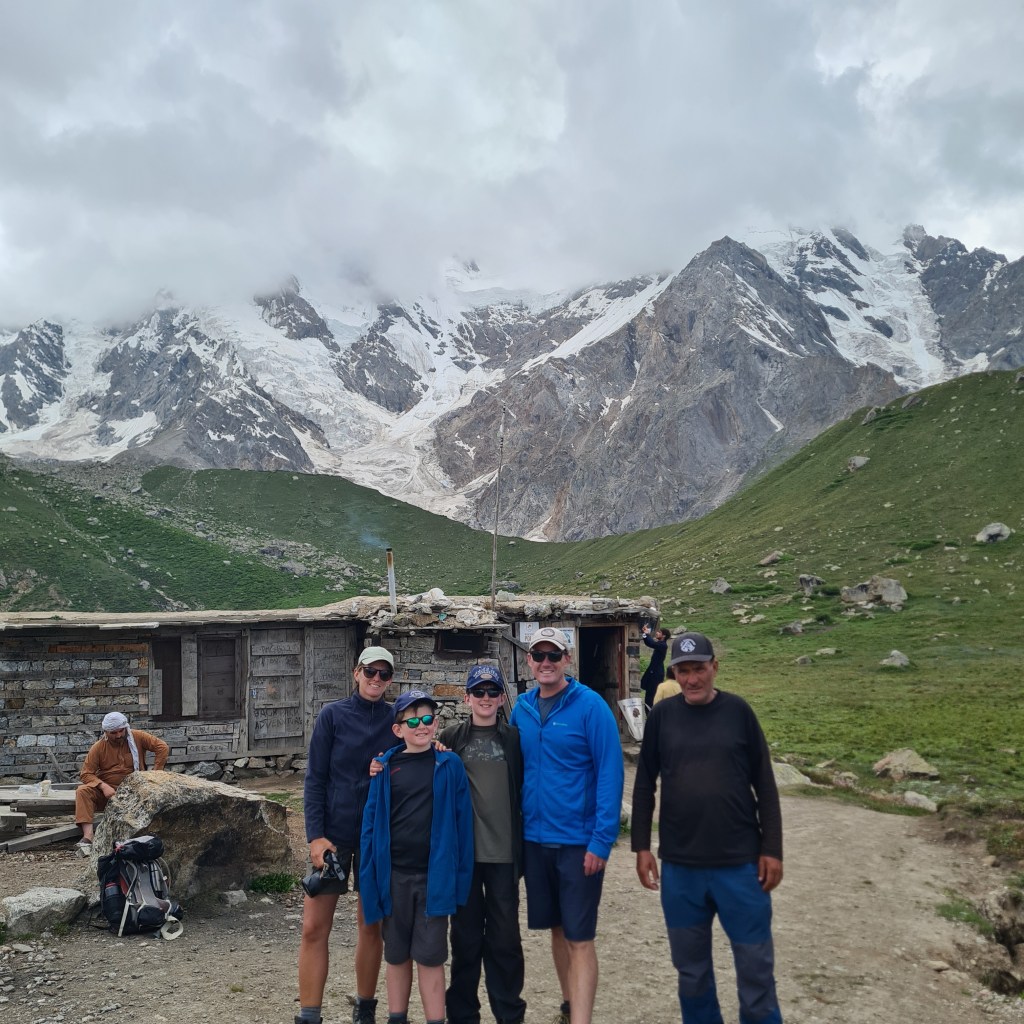
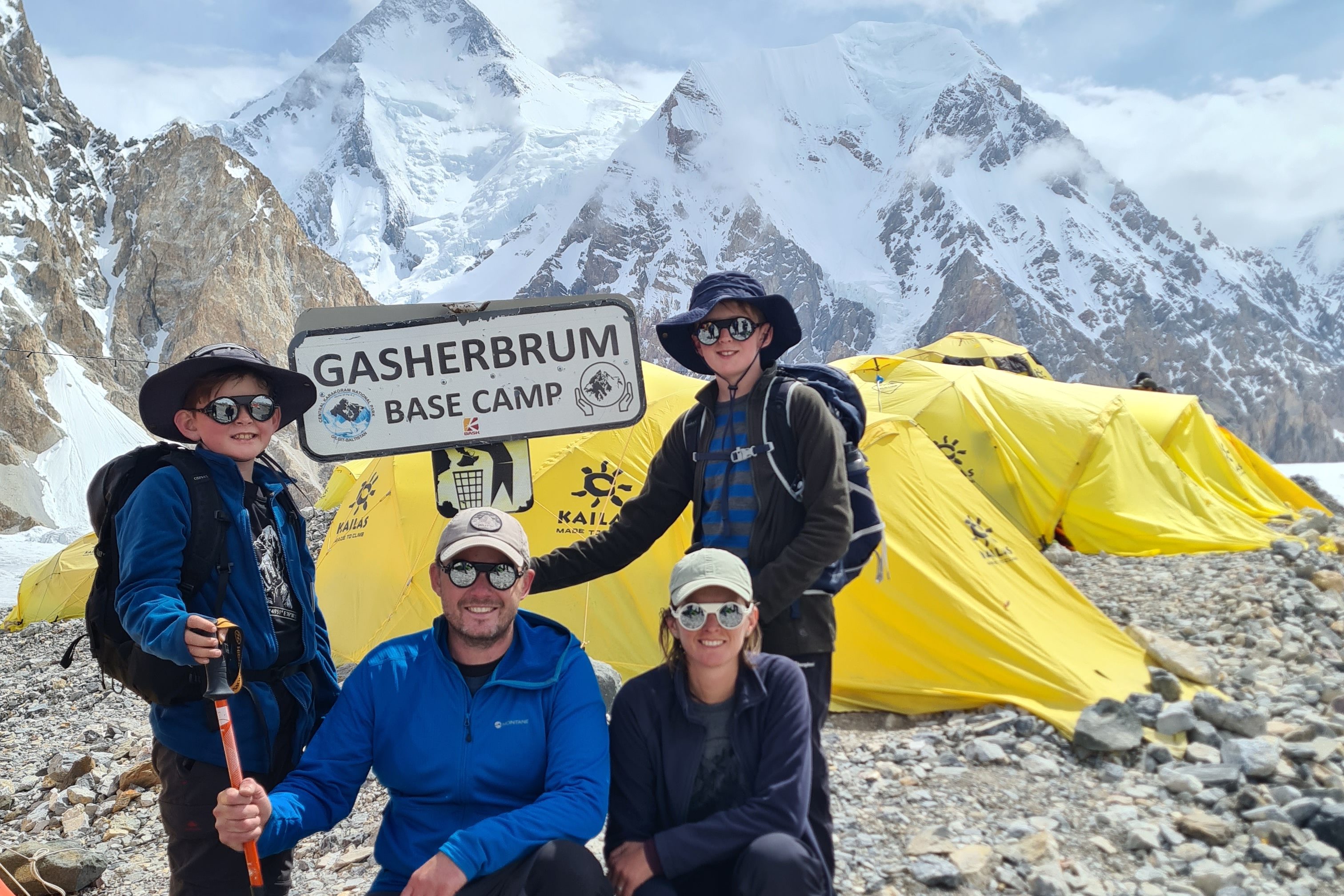
In the Karakorum, the story was harsher. Days of wind-cutting cold and frozen tents tested our limits, yet our children adapted quickly. They carried their small packs, decided the pace of the hike and discovered the joy of simple meals after long, challenging days. It wasn’t always comfortable, but each step brought us closer together and deeper into the mountains’ heart.
Learning to Move Slowly

Altitude doesn’t forgive haste. On Everest Base Camp, a day planned for six hours often stretched into eight, as we paused for every sign of fatigue, every questioning glance, and every breathtaking view worth photographing. By the time we reached Namche Bazaar for an acclimatisation day, the children were laughing, exploring, and surprisingly proud of how far they’d come.
The Karakorum trek demanded even more patience. With higher altitudes, less-defined trails, and harsher temperatures, encouragement became key. Letting the children take the lead by choosing rest spots, documenting the journey with photos, or engaging with the fascinated porters turned exhausting days into empowering experiences.
Life on the Trail: Gear, Food, and Camp
The first lesson in mountain life is that simplicity becomes luxury. In Nepal, teahouses offered warmth, blankets, and surprisingly hearty meals of noodles, pizza, burgers, and the famous dal bhat that fuelled us day after day. Even the smallest rooms became cosy havens, with laughter spilling in from the dining area.
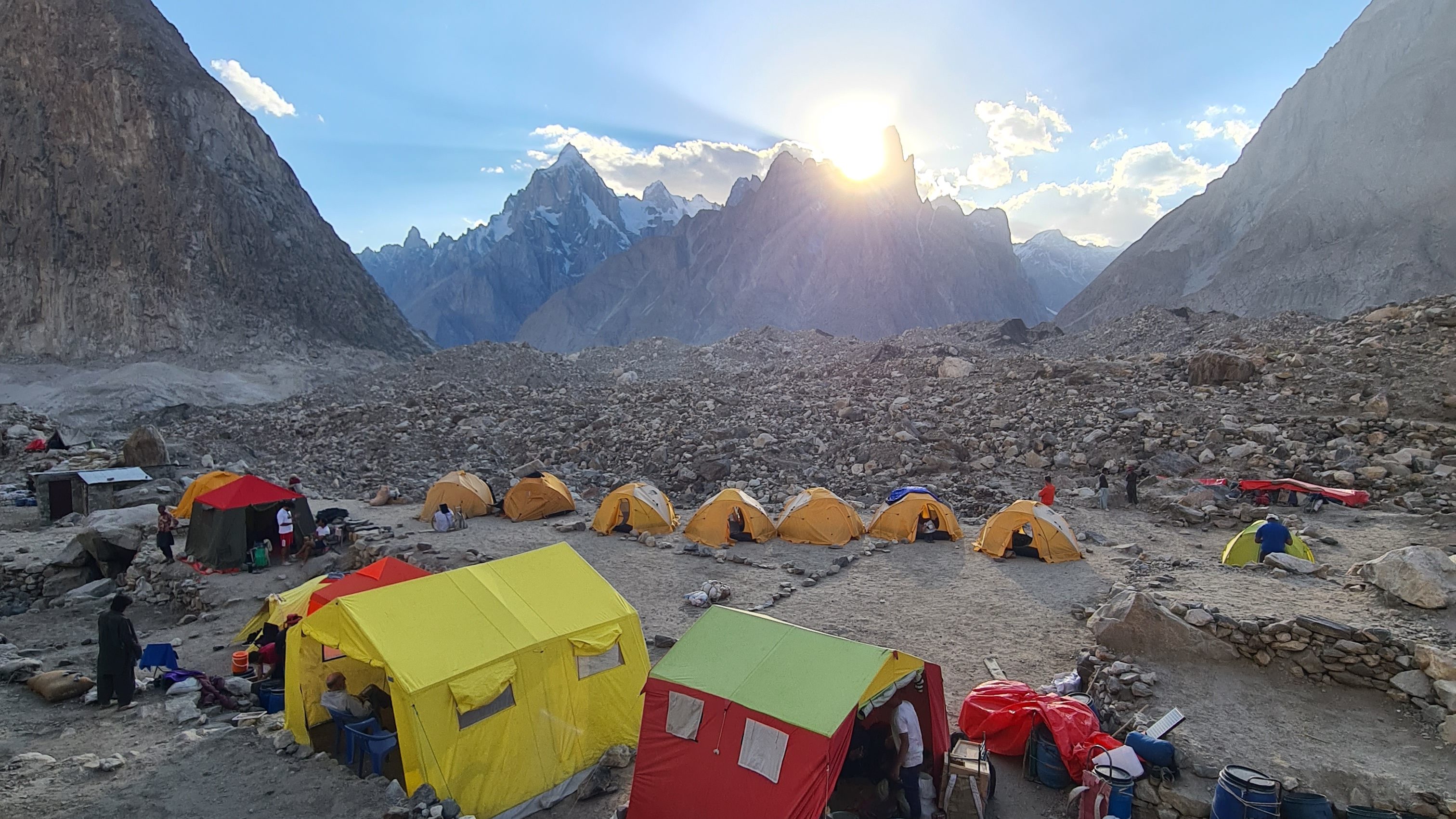
In Pakistan, life was more raw. Our tents became homes, our sleeping bags shields against the cold. Meals were often basic (especially later in the hike) and often repetitive, but eating and sharing small treats turned it into a bonding experience. The children learned patience, gratitude, and that adventure isn’t about comfort but it’s about embracing the moment.
Keeping the Journey Fun for Kids
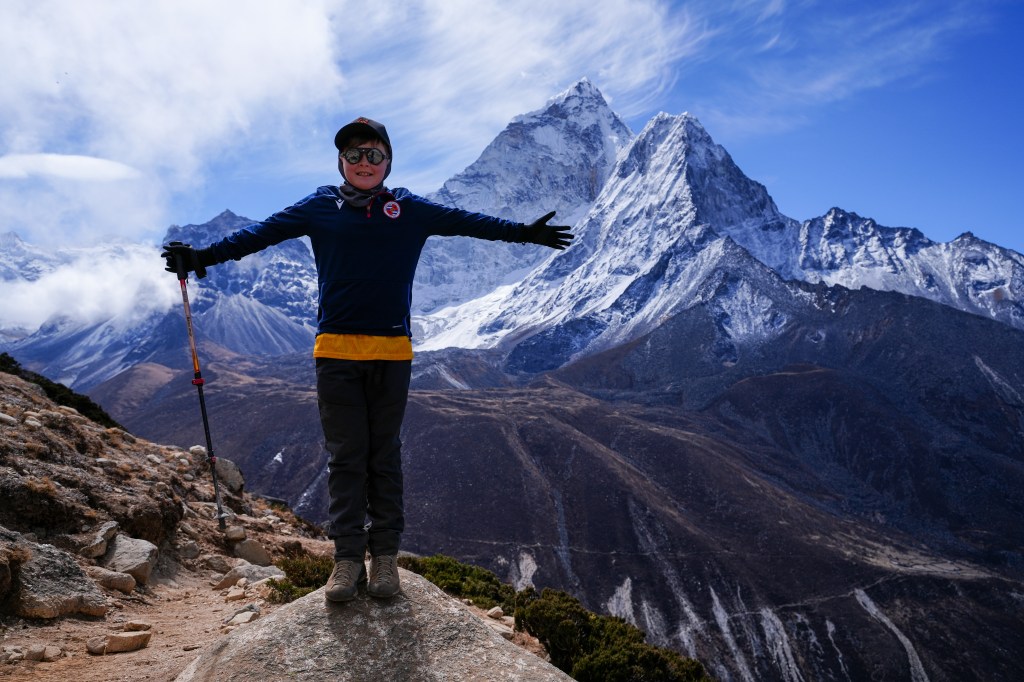
Perhaps the most rewarding part of these treks was seeing our children take ownership. They discussed the day’s route with our guides, created little moment of laughter and used photography and journaling to capture the experience. Celebrating each milestone, from a steep incline overcome to a hot chocolate at basecamp, kept spirits high and the journey fun.

Why You Should Do It
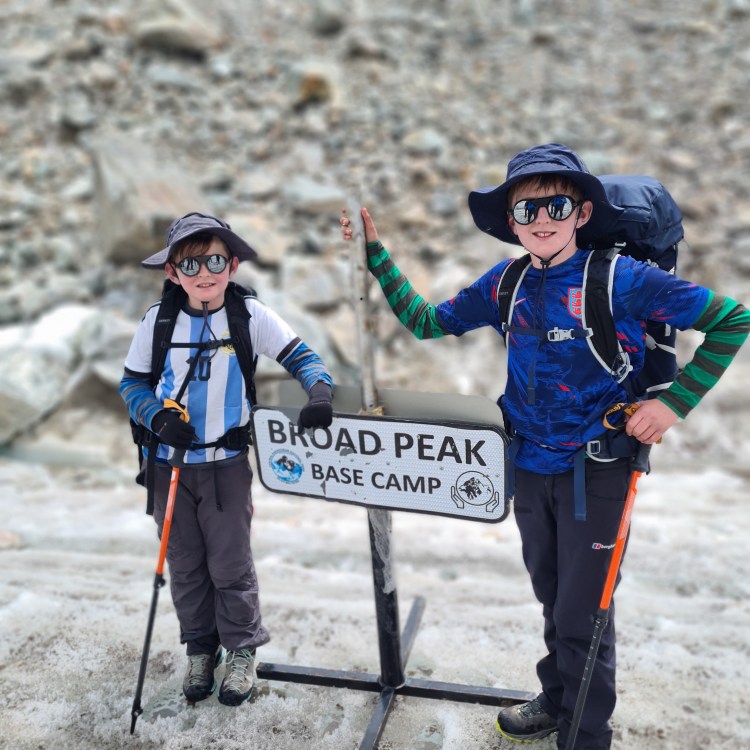
High-altitude trekking with your family is challenging, but transformative. From the golden valleys of the Himalayas to the raw, wild expanses of the Karakorum, the rewards are enormous:
- Memories that last a lifetime
- A stronger sense of resilience
- Shared challenges that bring a family closer together
- Unforgettable natural beauty
Every step teaches your children their own strengths, and you discover a new level of teamwork and connection.
you know what it is so good we are not done yet. Just the 7 others to go. April 2026 we will be back enjoying the mountains once again.
For full stories, detailed itineraries, and practical tips from our treks, explore our guides:


 Family Russell-Smith Travel