Budget Family Travel Without a Money Tree
“I don’t know how you can afford it… do you have a secret money tree or something?”
That was said to me by a colleague a few years ago when I was explaining our plans for the upcoming summer holidays.
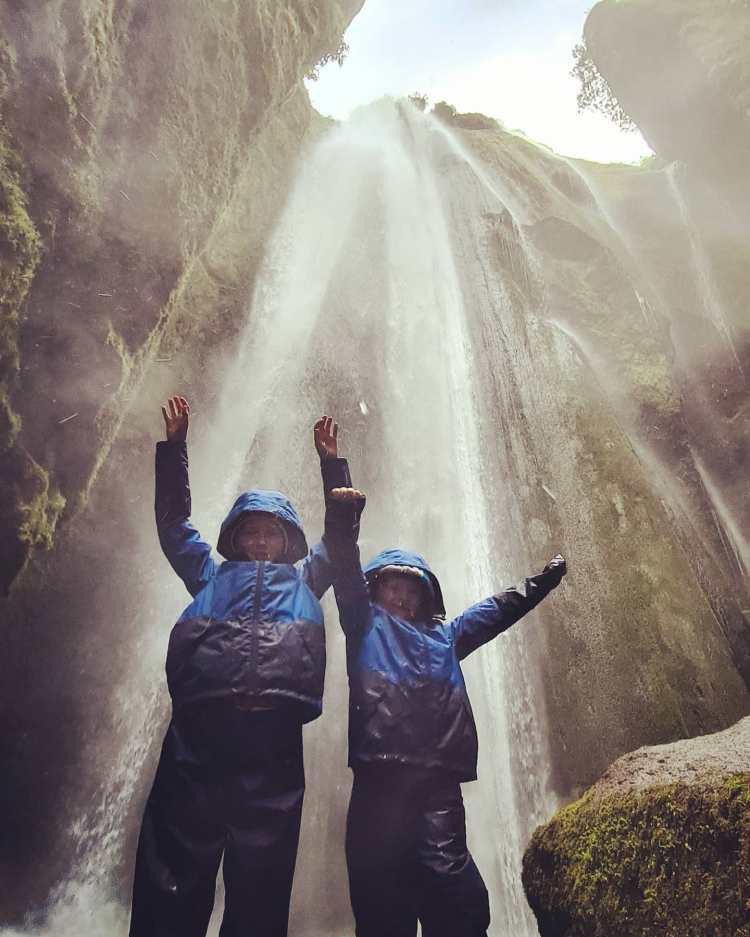
When you write it down – chilling and diving in the Maldives, sightseeing in Egypt, skiing in the Alps, scuba diving in Honduras, jungle trekking in Costa Rica – it does sound expensive. Almost exclusive. Like something only other people do.
This isn’t a story about sacrifice. It isn’t about scraping by, cutting everything back, or living some joyless, ultra-frugal existence so we can escape once a year.
We live a very comfortable, very lucky life. We just choose to spend our money – and our time – differently.
Travel, for us, isn’t an occasional reward. It’s part of how we live. And once we started treating it that way, everything else quietly fell into place.
But I’ll be honest from the start.
There is a cost.
It isn’t free.
It isn’t easy.
And it isn’t something everyone would want to do.
However it is manageable – if travel is something you genuinely choose to prioritise.
We’re a family of four. Two adults, two boys, a house in the UK (paying a mortgage if course), with full-time jobs, school commitments, and all the usual routines that come with family life.
And yet, each year, we manage to spend around 13 weeks travelling together, with the odd weekend trip thrown in for good measure.
People often assume this means we’re constantly on the move or permanently nomadic. We’re not. Home is still home. It’s comfortable, familiar, and grounding.
Travel simply sits alongside everything else, rather than being squeezed into the cracks.
How?
I don’t think our way is “right”. In fact, we’re probably on the extreme end of what most people either want to do or feel comfortable doing. But if there’s one thing I hope this blog shows, it’s that there isn’t just one way to live, work, and travel.
A relative of ours – who earns more than both of us combined and has no children – once said:
“I don’t know how you do it. I can’t afford a week in Spain, let alone 13 weeks in all these exotic places.”
My answer was simple then, and it still is now:
It’s just a lifestyle choice.
Where We Travel – Choosing Places That Let Us Travel More
We tend to travel slightly off the beaten track.
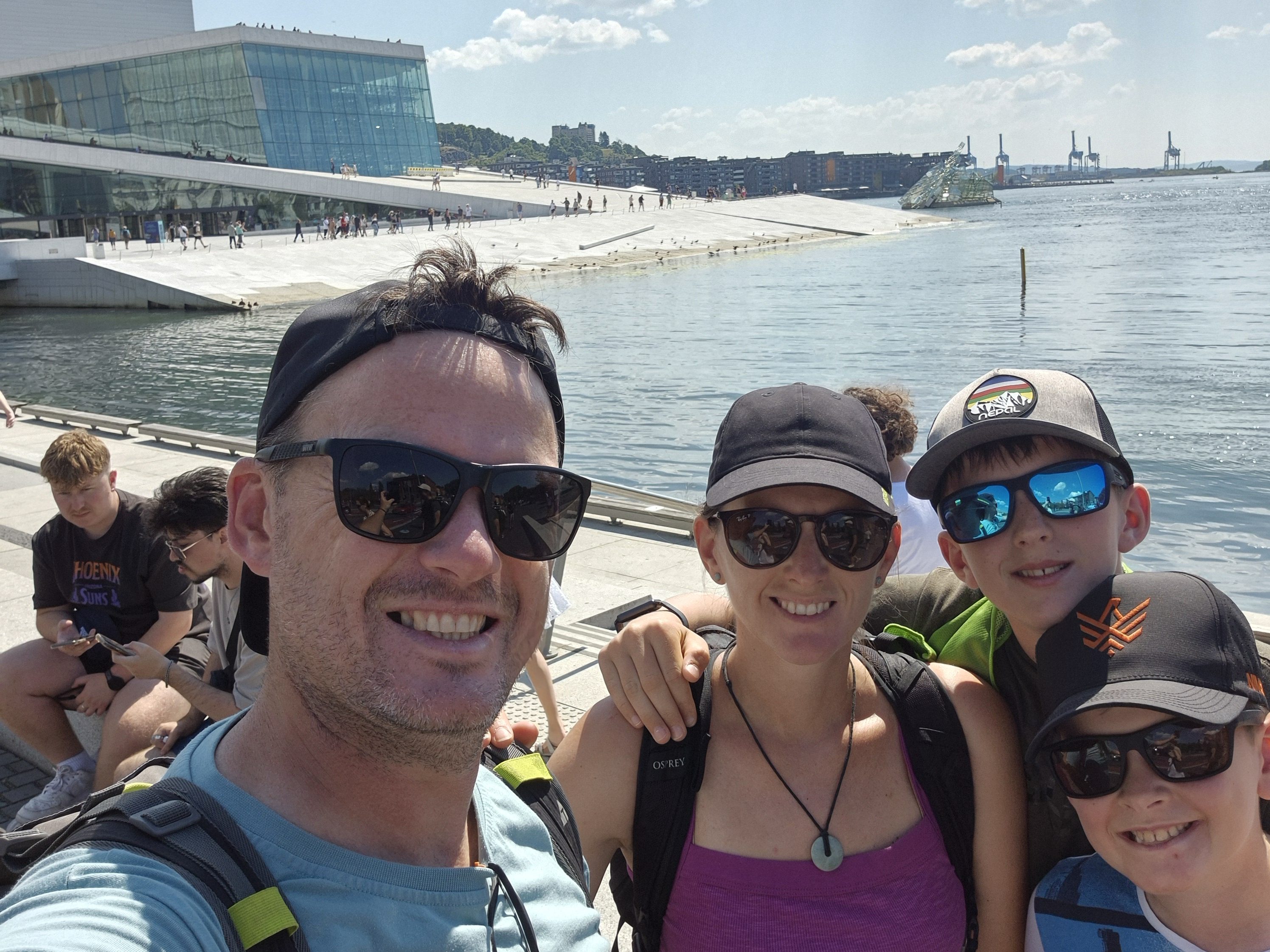
That’s not to say we don’t enjoy popular destinations. We’ve visited places like the pyramids of Egypt, Chichén Itzá, Stonehenge, London, Oslo. They’re brilliant, and we’ll keep visiting places like that.
But there is so much more to the world than the obvious stops.
Friends and colleagues often ask:
“Don’t you just want an easy holiday?”
Or, memorably, when we were interviewed on BBC radio:
“Don’t the kids just want to go to Magaluf?”
Yes. Of course they do.
And we have done “easy” holidays. Tenerife, for example – although that involved camping and winter hiking rather than cocktails by the pool. We’ve even tried all-inclusive in Egypt for a few days. It was fun. It was relaxing. But after a while, we were bored. We got itchy feet. Restless. And, if I’m being completely honest, the endless eating just made us feel a bit… sluggish.
So we gravitate towards places that feel different. Not untouched or undiscovered – just less polished, less packaged. Places with more of a backpacker feel than a traditional family resort.
There are still tourists. Sometimes lots of them. But fewer families expecting everything to be easy, and more people who are happy to slum it a little.
Cost plays a huge role here too.
We’re incredibly lucky in one way: we’re teachers. During term time, it’s a tough job – long hours, pressure, stress. The pay isn’t awful, but it hasn’t kept pace with many other careers.
What we are rich in is time.
We often say to the boys:
“We might not be cash-rich, but we’re time-rich.”
Thirteen weeks of holiday sounds amazing – and it is – but a quick side note people often miss: teachers are only paid for around 30 days of holiday a year. The rest is unpaid. Trips, clubs, and extras? Voluntary.
I could rant about that, but this is a travel blog, not a manifesto.
Because we have time but not endless money, we choose destinations that are cheaper to be in. Uzbekistan, travelling the Silk Road by train. Kyrgyzstan, hiking high-altitude mountains and sleeping in yurts. This summer, five weeks in Peru.
And almost certainly skipping Machu Picchu.
Why? Because visiting Machu Picchu would cost a family of four close to £1,000. Yes, it’s iconic – but there are alternatives. We’ll be visiting Choquequirao instead: more remote, far quieter, with the same lost-Inca-city feel, for a fraction of the cost.
Canada is another dream. The mountains, the wilderness, the cities. We desperately want to go. But two or three weeks there would wipe out our entire annual travel budget.
So it stays on the bucket list – for now.
We choose cheaper destinations not because they’re “lesser”, but because they let us travel more.
A Lifestyle Choice (Not a Rule Book)
This is where the real difference is made – and also where it’s easiest to get the wrong impression.
So let me say this clearly: we don’t live like this because we have to. We live like this because we genuinely enjoy it.
Our day-to-day life feels calm, comfortable, and full. Nothing about it feels like deprivation. It’s simply intentional. We’re careful with money in the same way we’re careful with our time – not because it’s scarce, but because we want to use it well.
The boys live a very lucky life. They have stability, routine, friends, hobbies, and experiences that matter to them. They also understand that money isn’t endless, and that the choices we make at home are what give us long stretches of time together exploring the world.
Martina is the real architect of this way of living. I’m naturally far too good at spending money. Over time, I’ve learned that being intentional doesn’t mean being tight. It just means being clear about what actually adds value to our lives.
Food, Home, and Everyday Comforts
We eat extremely well at home.
We spend around £130 a week feeding a family of four, but it never feels restrictive. Most meals are home-cooked, varied, and often inspired by places we’ve travelled – rice dishes, curries, pasta, vegetables, and fish when we find a good deal.
We cook in bulk because it makes life easier, not because we’re trying to save every penny. Leftovers reduce stress, and the boys take home-cooked lunches to school every day. That, to us, feels like a quiet luxury.
Eating out in the UK is rare – not because we can’t, but because we don’t really miss it and we make up for it when we travel. When we do eat out, it’s deliberate. Fish and chips at the end of our annual Studland to Swanage hike is non-negotiable and one of my favourite meals of the year.
We enjoy wine. Properly. We just buy it sensibly. Once a year we stock up in France, where tax is lower, and it saves us hundreds of pounds. It’s not top-shelf, but it’s good – and it’s there to be enjoyed.
Nothing about this feels like “cutting back”. It just feels normal.
Everyday Choices That Make Travel Possible
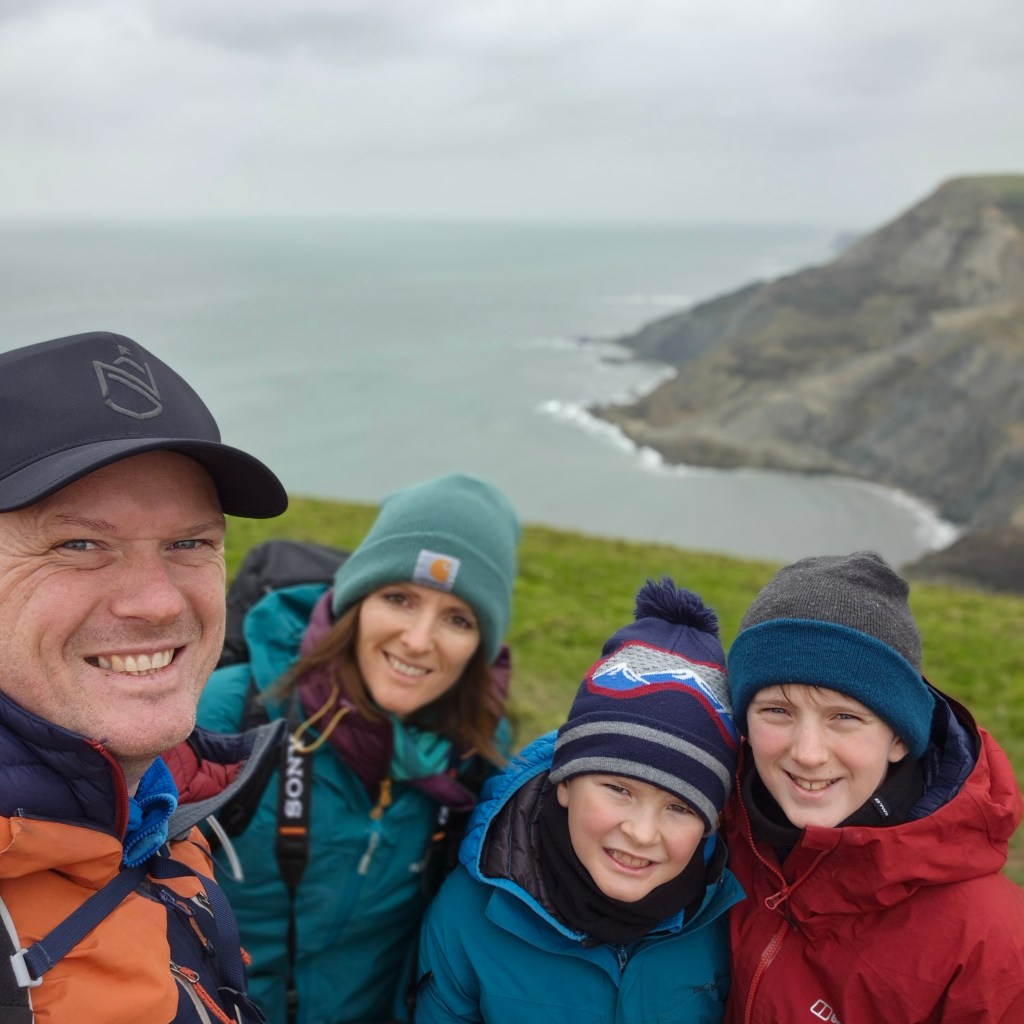
The same approach runs through the rest of our life.
The boys grow quickly, so second-hand clothes or grabbing a bargain in the sales makes sense. Some things are new, some aren’t but the boys do not go with out. Essentials like hiking boots and extreme weather gear are brought new, fitted and to a high (and often expensive) standard.
Our house is more than comfortable, welcoming, and very lived-in. If something breaks, we replace it. If it’s just tired, we fix it or live with it until it’s genuinely worth changing. We are not slumming it just being sensible with our choices.
The boys don’t do every school trip offered, but they do the ones that matter most to them. Two big trips, plus the smaller day ones, and months each year travelling together as a family. That balance works for us.
But that doesn’t mean we’re just sitting at home, counting down the days until the next holiday. Our lives are full (sometimes maybe too full) with activities and adventures close to home. The boys play football for a team, and we’ll often head out to watch our family team, Reading FC. Birthdays aren’t quiet affairs either and we will go go-karting, laser questing, bowling and other activities just like all other normal family’s do.
When we can, we escape on longer local adventures too, like hiking in the countryside or heading off to the coast for a weekend of fresh air and exploration. We never feel like we’re missing out; life at home is just as rich, just in a different way.
We also organise our money into different accounts We have a travel account, car bill, home bills and more. Not because we’re tight, but because it keeps life simple. Once money is allocated, it quietly does its job in the background.
It’s not rigid.
It’s not joyless.
If anything, it’s freeing.
Flying on a Budget – Just a Journey, Not the Destination
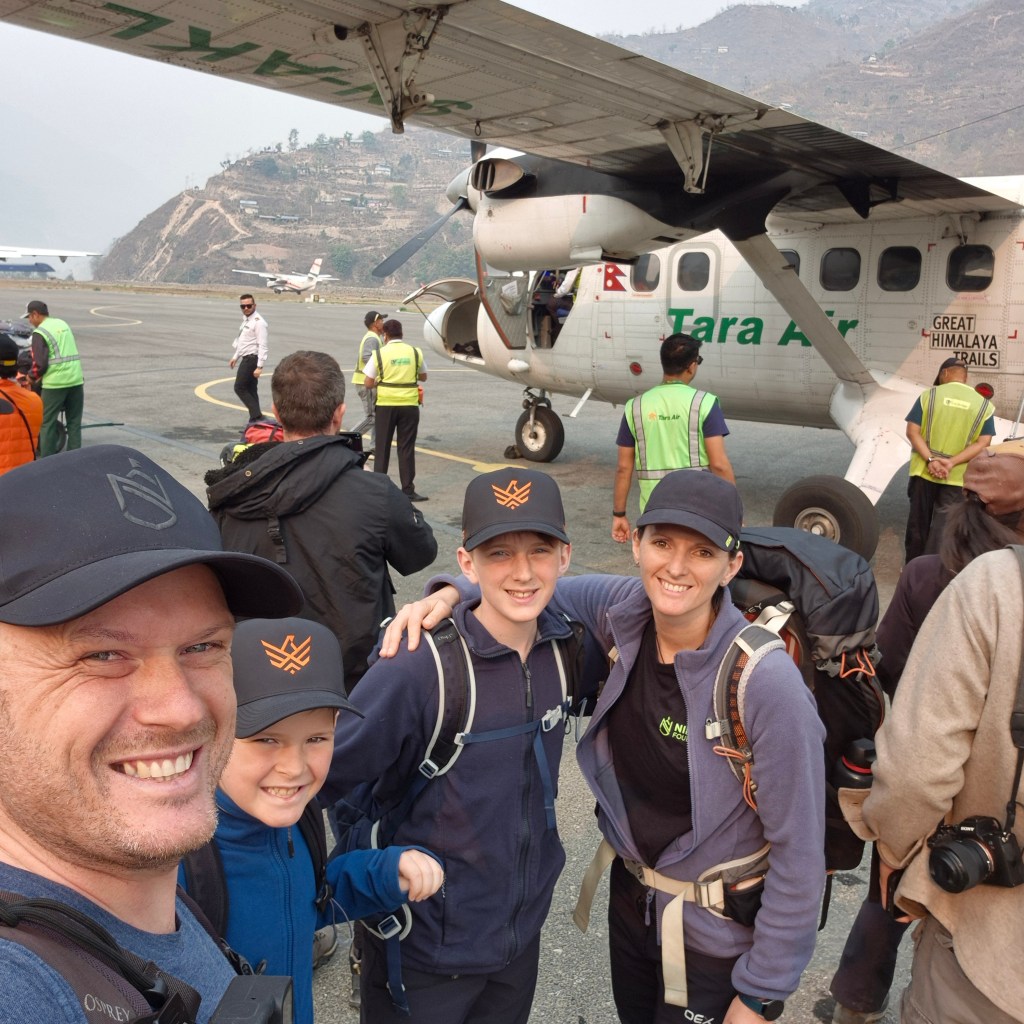
Being “time rich” gives us flexibility. And when I say travel, I mean travel – by plane, by car, sometimes by train.
We often drive to the Alps to ski, or to Slovakia, because driving is cheaper than flying, hiring a car, and renting skis. Especially when everything has to happen in school holidays.
Flights are trickier.
If you have kids, you’ll know you can only really travel in the holidays unless you want to pay a fine. For us, being teachers, there is no flexibility at all. That comes with the dreaded holiday premium.
Our approach is simple.
We book early. Very early. As soon as we know dates, we book. Our October half-term flights are already sorted, even though it’s January. We’ve booked flights over a year in advance before. It saves money, stress, and keeps options open.
And we don’t fly direct on lang haul.
Because we have time, we take multiple flights via different destinations. Last summer, to save over £1,000, we flew to Oslo with Ryanair, stayed two nights, then flew to Johannesburg via Doha with Qatar. After three weeks in South Africa, we flew to the maldives via Abu Dhabi with Etihad and then returned home to London via Delhi with Indigo and Virgin Atlantic.
Three flights would have been easier. Seven flights were far cheaper.
The flight itself doesn’t matter. It’s just part of the journey. Its a chance to watch a film, have a drink, and slow down.
Staying Local – Affordable Accommodation That Works for Families
Booking.com is our friend.
When we backpacked in our twenties, we’d turn up and find somewhere on the day. With kids, that stopped being realistic very quickly. Booking.com has helped us find absolute gems – small local hotels, apartments, and boutique self-catered places.
We usually look for flats with four beds. Often that’s one bedroom and a sofa bed. The boys are happy sharing for now.
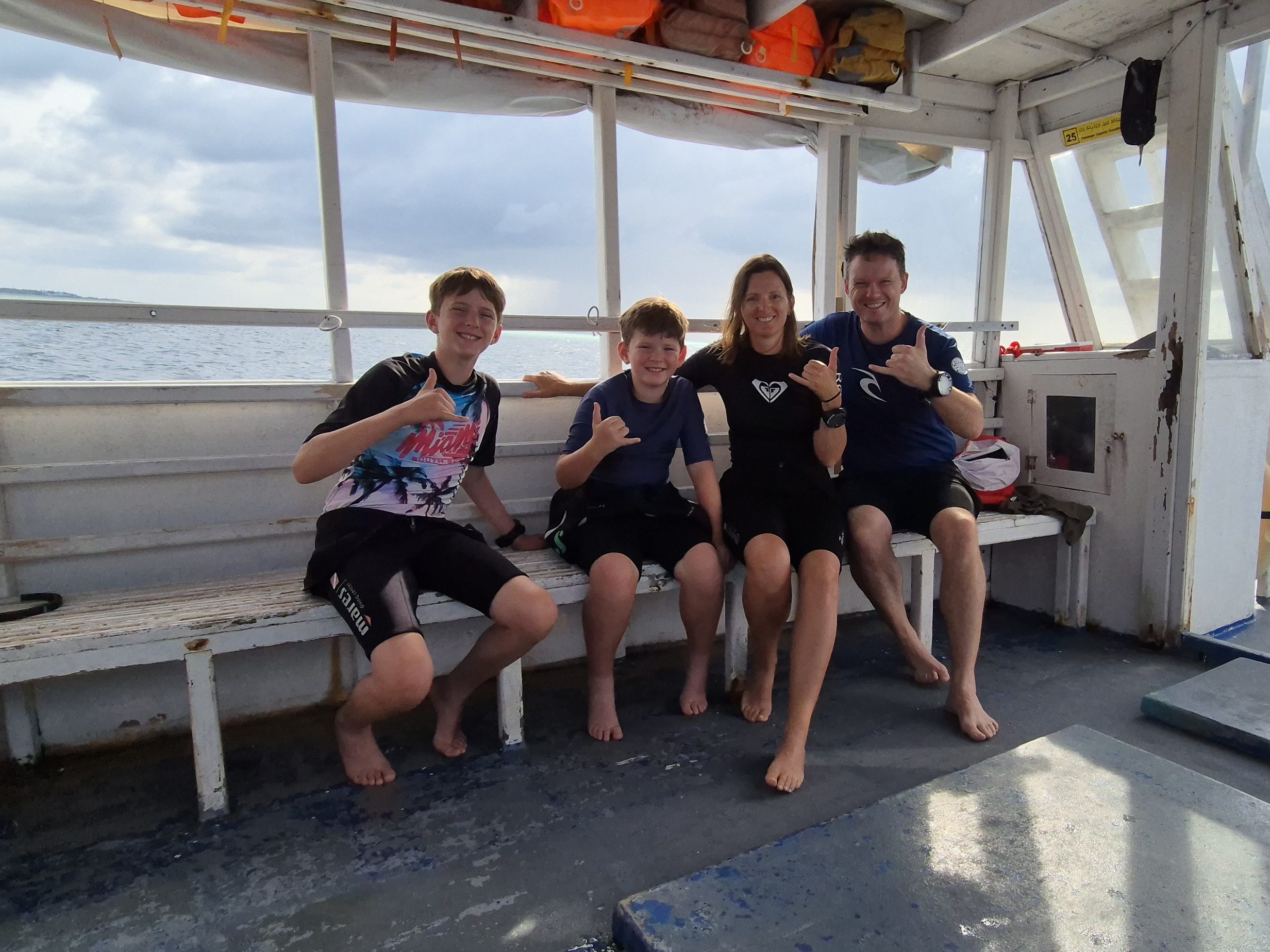
In the Maldives, we stayed in a small boutique hotel for £75 a night, bed and breakfast witht hebeach 50 metres walk away. Across the water, the resort was charging thousands a night to swim in the same water.
Skiing in Austria last year we paid £50 a night over New Year in Salzburg which was just 30 minutes from the slopes.
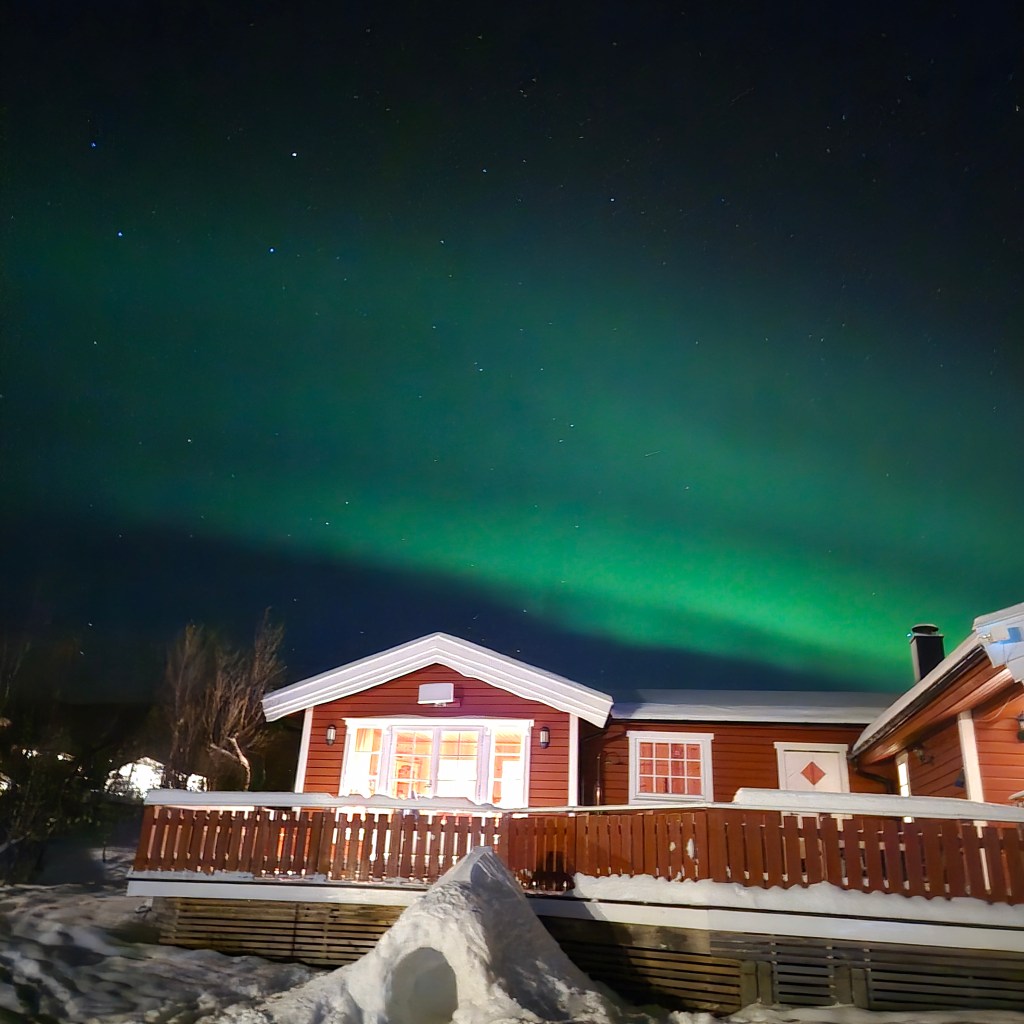
Other gems include a £20 a night apartment over looking the beach in Albania, a 3 bedroom villa with pool in Cypress for £110 a night shared with family and a beautiful large house in Norway with perfect views of the northern Lights and a garden to play in the snow for £70 a night
We have of course stayed in worse places. On one honeymoon in Sri Lanka, we paid 50p a night. The bed smelled like every previous occupant had sweated directly into it. But we survived.
These days we travel with a bit more comfort – just still on the cheaper end.
Eating Out on Holiday – Spending Local, Eating Well
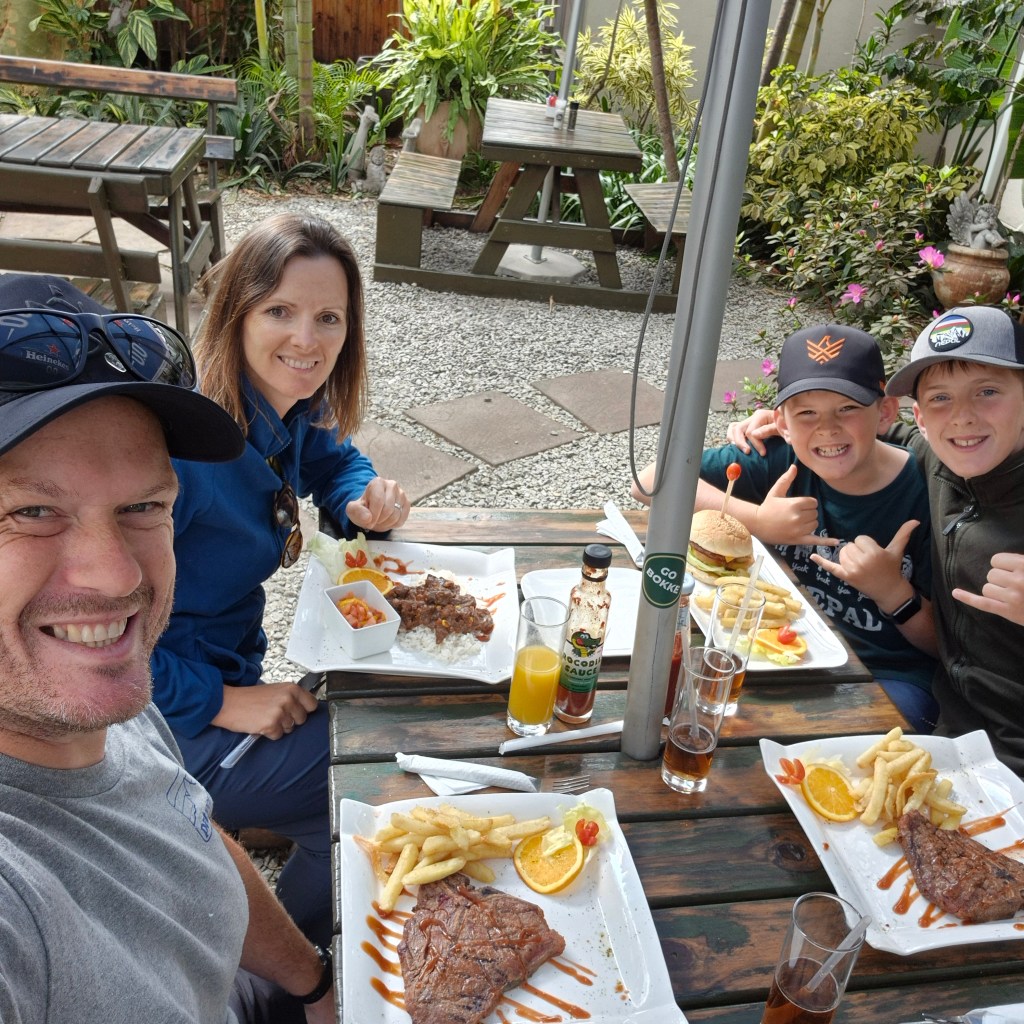
Ironically, we eat out far more on holiday than at home.
It’s country-dependent. In Mexico, we self-catered most of the time. In the Maldives, we ate lunch out daily – seafood and curries for about £3 per person. In Southeast Asia, three meals a day out is normal.
The rule is simple: eat local. Really local.
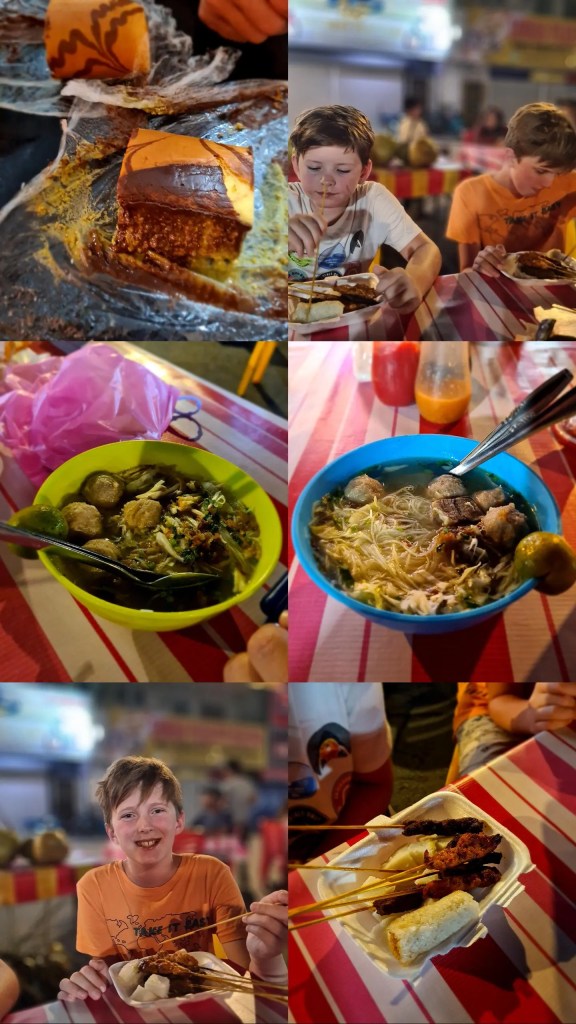
Street food is often the best food. Pad Thai in Koh Chang. Gado Gado in Indonesian markets. Touch wood, we’ve never had food poisoning – even with rats running around our feet in the food hall.
In expensive places, picnics are king. Bread, cheese, salami, tomatoes, cucumber. Simple and cheap.
Activities That Keep Costs Down
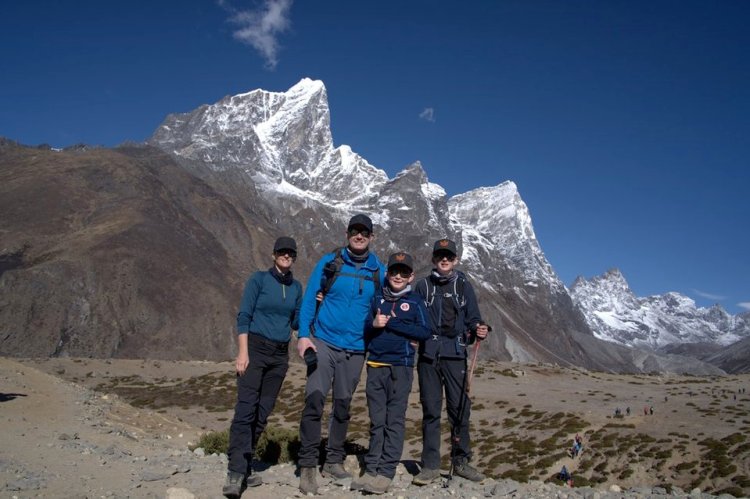
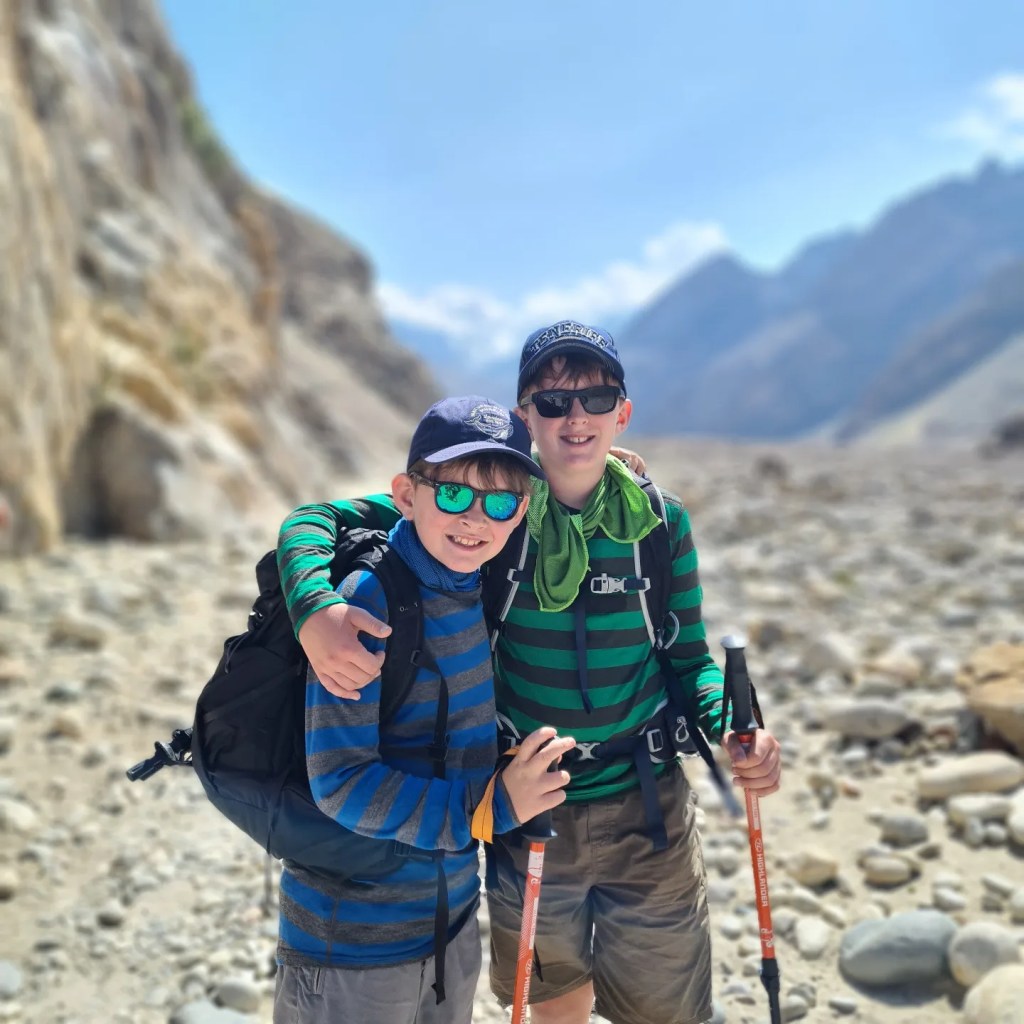
Hiking is our go-to. It’s cheap, rewarding, scenic, and gives us proper family time. It’s also where many of our best memories come from.
Skiing isn’t cheap, but smaller resorts, self-catering, and packed lunches make it manageable. Heading to Les Gets this winter to ski we will avoid mountain restaurants and take our own food but it wont stop us having a rich hot chocolate in a cafe.
DIY Travel Planning – Research Is the Real Secret
Our biggest saving is doing it ourselves.
Martina plans our trips with the patience of a saint. Flights, accommodation, itineraries, backup plans. Months of research. People say she should be a travel agent – but the irony is that being paid would make it expensive.
There are risks. Bad information. Transport chaos. Questionable accommodation. Dodgy hire cars.
But we accept that as part of the journey.
And the savings are worth it.
The Reality
So that’s it.
That’s how we travel the world as a family while still living a comfortable, grounded life at home. There’s no secret inheritance, no extreme budgeting, and no version of this that requires living without joy.
Just intentional choices, thoughtful planning, flexibility, and the belief that time together in incredible places is one of the best investments we can make.
This way of living won’t suit everyone, and it doesn’t need to. But if it helps even a handful of families realise that travel with kids doesn’t have to be rare or reserved for “other people”, then it’s done its job.
We feel incredibly lucky.
Not because we travel a lot – but because we’ve built a life that gives us the freedom to do it.


 Family Russell-Smith Travel