Another dawn, another early wake-up call, and we were back on the move, pushing towards Lobuche. Today, our biggest worry was Martina; her cough hadn’t improved, and while it wasn’t worse, it was clearly exhausting her. We were all crossing our fingers that the antibiotics would finally kick in. Thankfully, the rest of us were doing okay, if not thoroughly tired. If we had the luxury of time, or space in the lodges, we’d have happily taken a rest day, but it’s either up or down on this mountain, so despite her illness, Martina pushed on.
We’d been warned today’s hike was long, not excessively steep, but the trail conditions were more rugged, and the air noticeably thinner, making every step a chore.
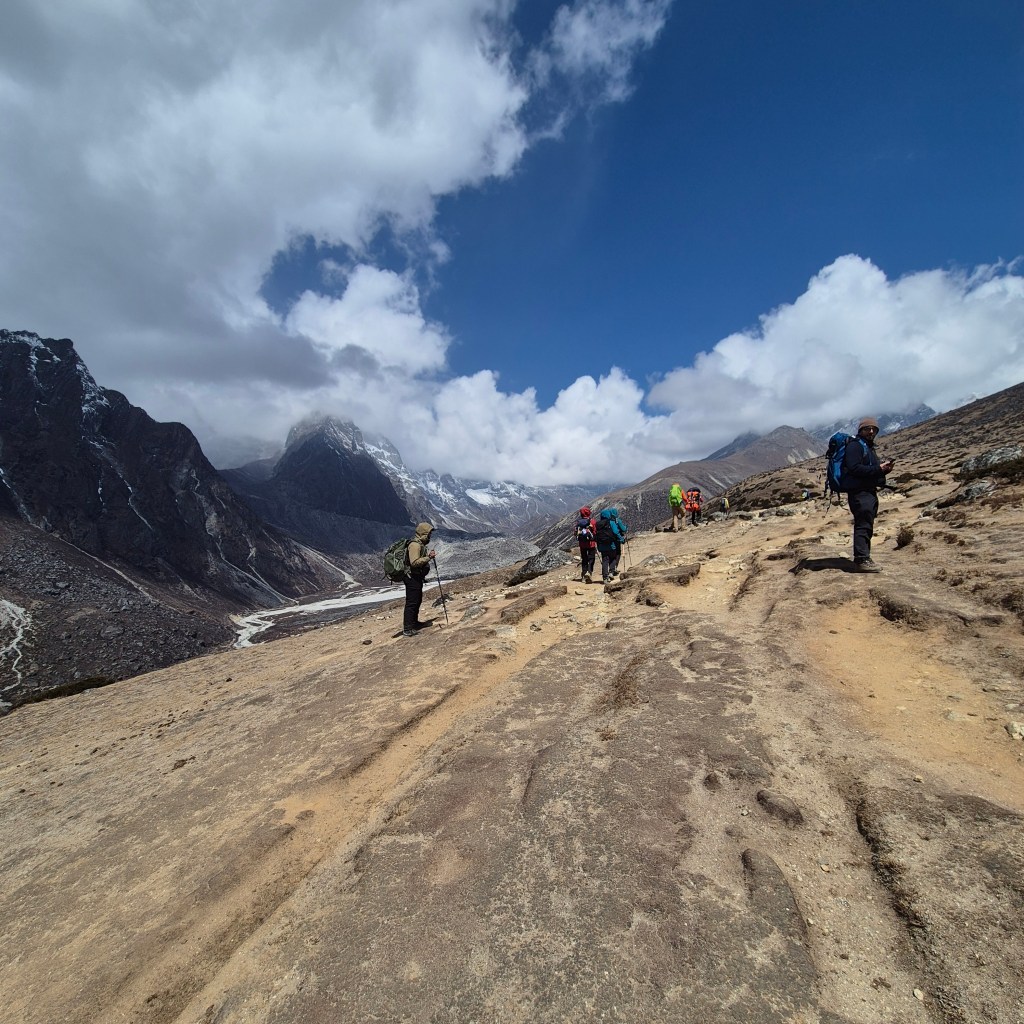
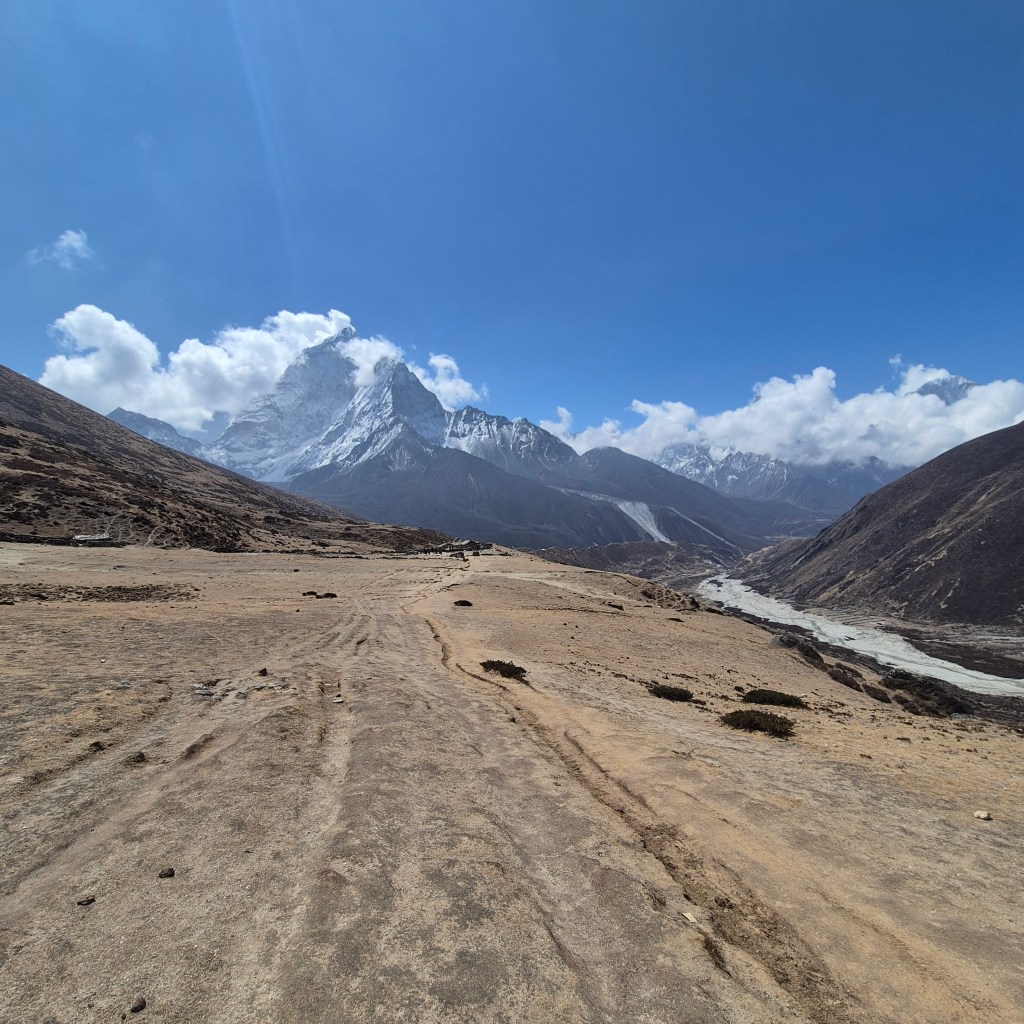
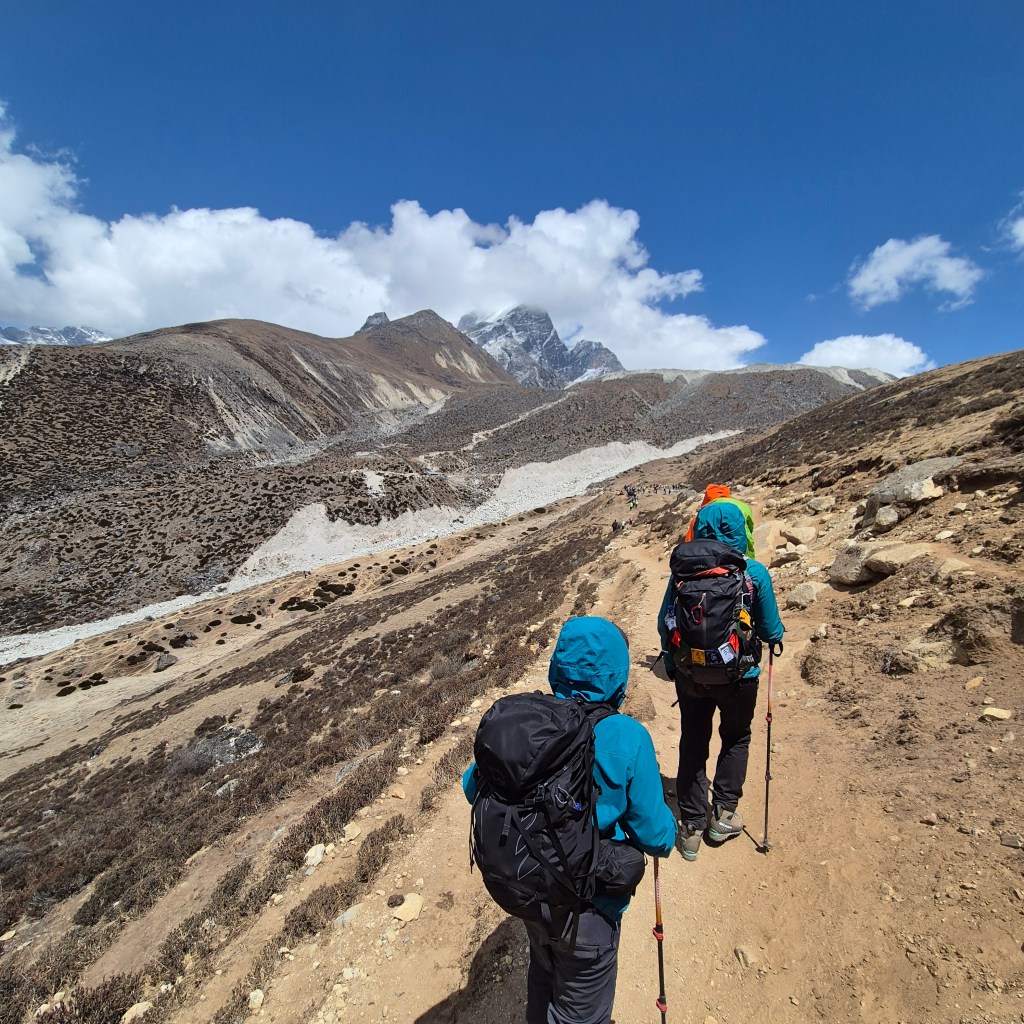
Leaving Dingboche, we retraced our steps from yesterday, climbing out of the valley and eventually reaching the ridge overlooking the village. The day had started beautifully, with a strong, cold wind but glorious sunshine, making the views up the valley truly stunning and easing the effort just a little. Every time we paused for breath or water, we made sure to turn back and admire the majestic and ever-present Ama Dablam, still dominating the skyline.
As we gained altitude along the valley, the landscape transformed once more, with vegetation becoming sparse, almost non-existent. We stopped for a break at an abandoned cluster of houses, sheltering behind a wall from the biting wind. It was clear Martina wasn’t the only one suffering; many hikers, who had been so confident and even a little cocky lower down, now looked like they’d bitten off more than they could chew. We’d been warned this hike isn’t a sprint. Those who charge ahead too quickly at lower altitudes, thinking they’ve “got this,” often pay the price with altitude sickness or exhaustion. We saw this firsthand with one particular “expert” who’d powered past us, almost barging at times, considering us far too slow lower down the mountain. Now, we were the ones overtaking him as he managed only ten steps before needing to stop and sit. We didn’t see him again, so we assume he turned back. This mountain demands respect, regardless of your experience; underestimate it, and the altitude will make you regret it.
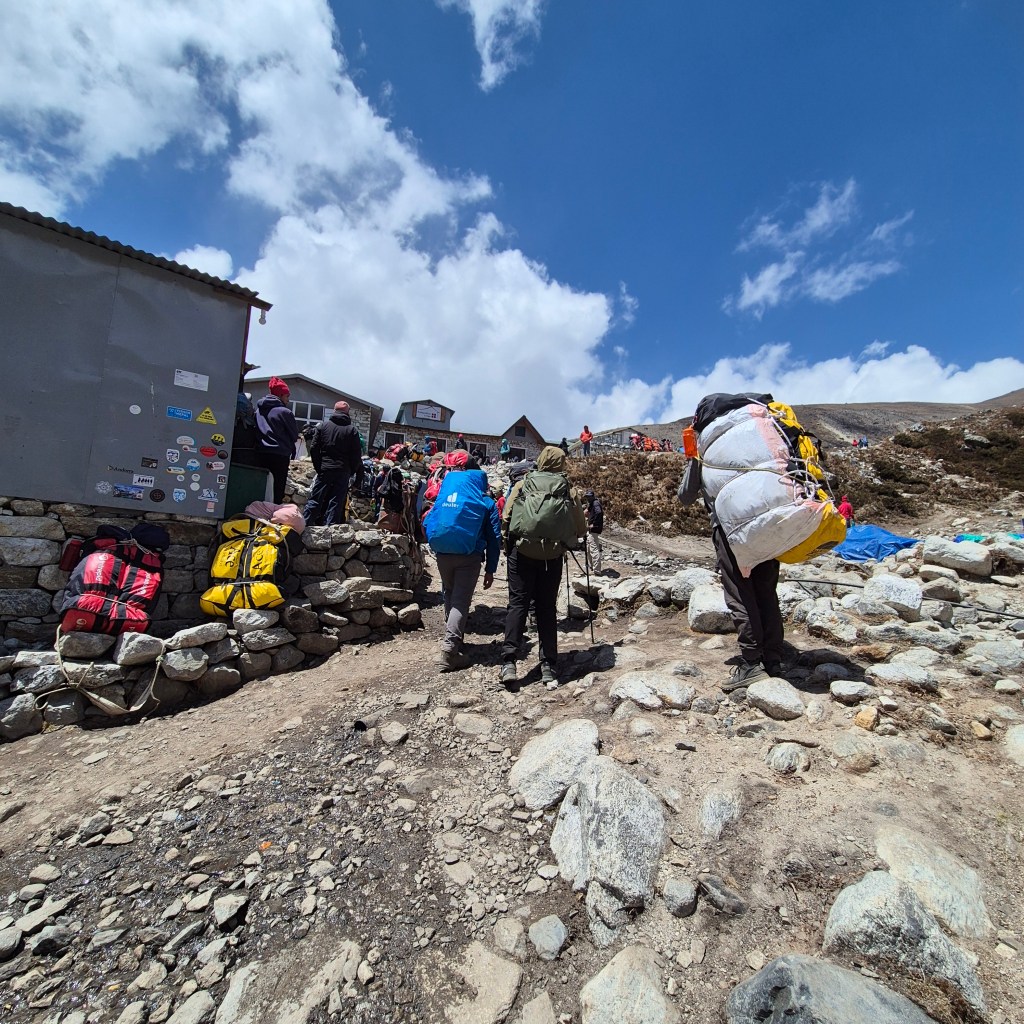
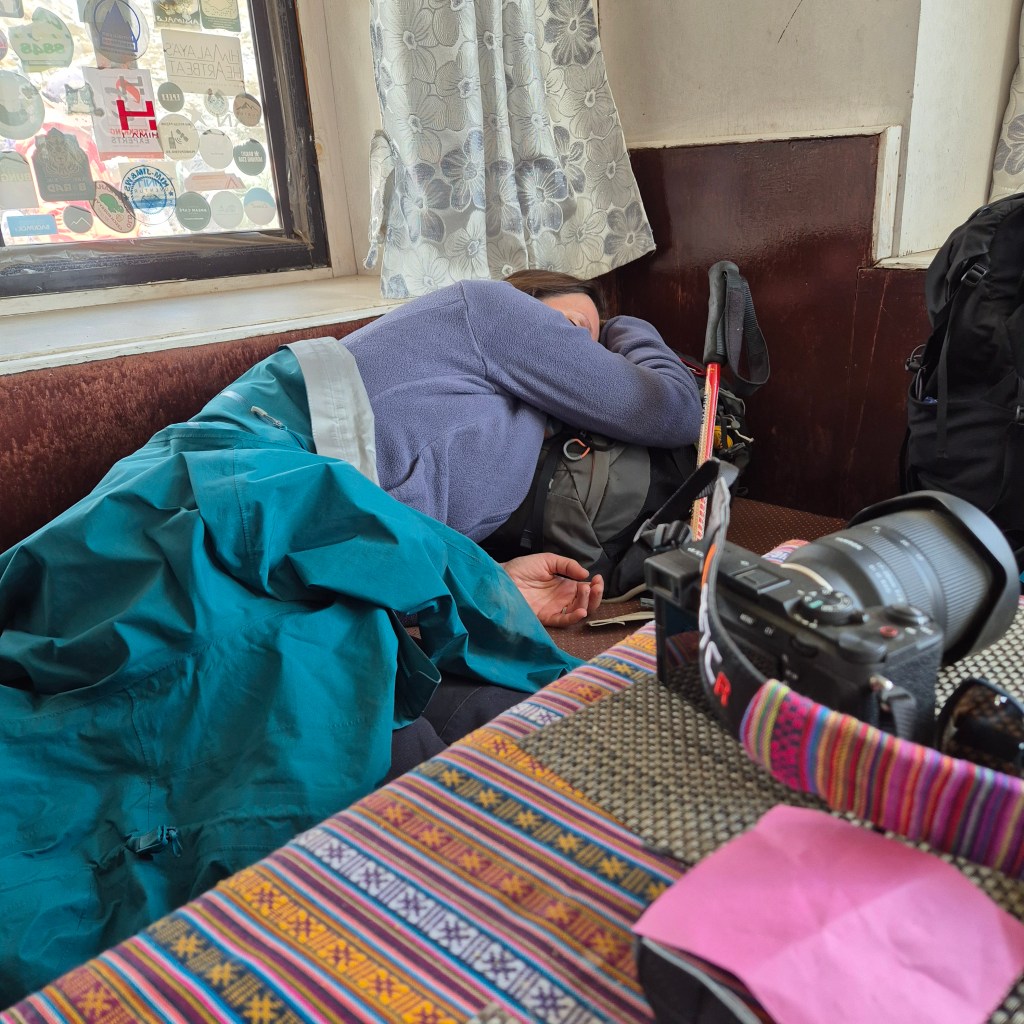
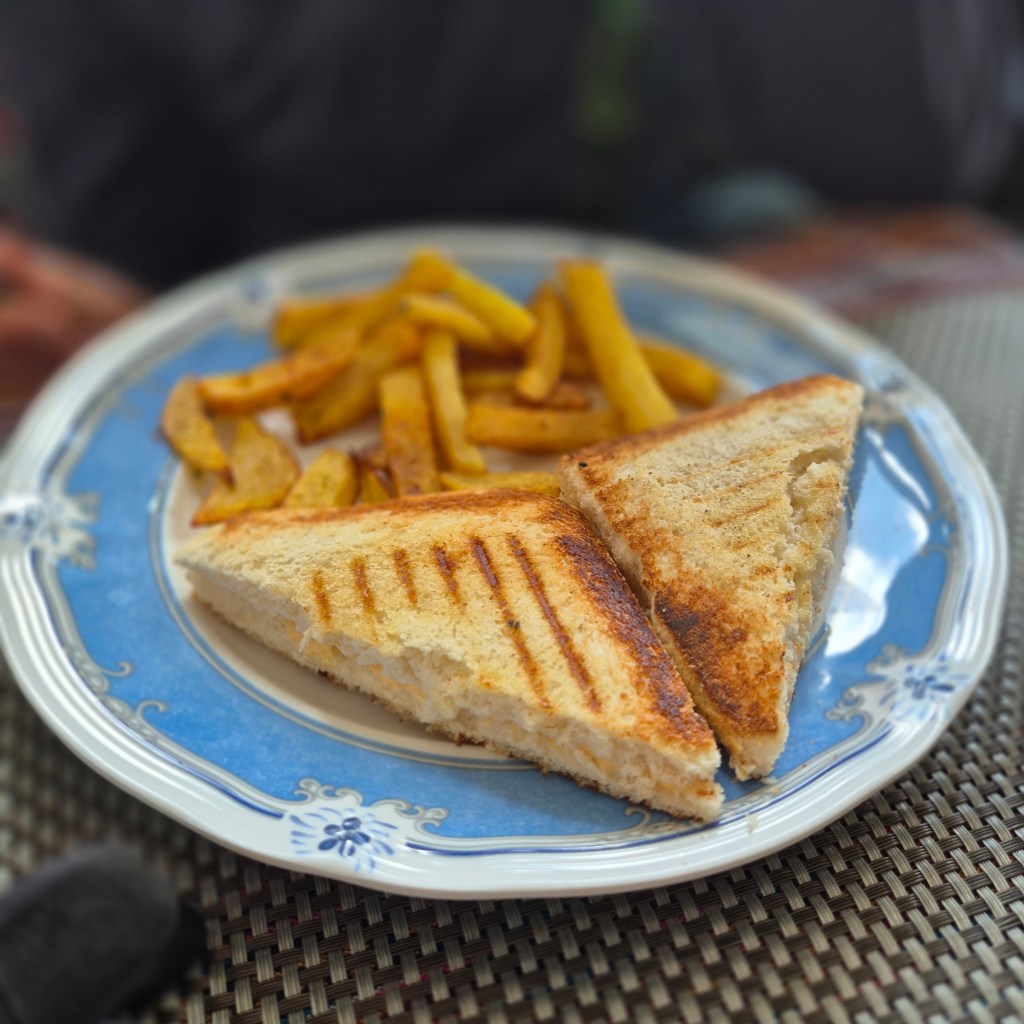
The trail continued across a relatively wide and flat plateau, which, if not for the altitude, would have been an easy stroll. We passed many hikers descending, especially at our lunch stop in Thukla. Here, we refuelled and rested. Martina even managed a short lie-down and nap, so exhausted was she. Our guide kept a close eye on her, staying by her side throughout the day.
After lunch came the big push: a steep, one-hour climb up to Thukla Pass. This section, known for its switchbacks and relentless ascent, was tough. With the increasing altitude, each step demanded more effort, and like many others, we found ourselves stopping frequently to catch our breath.
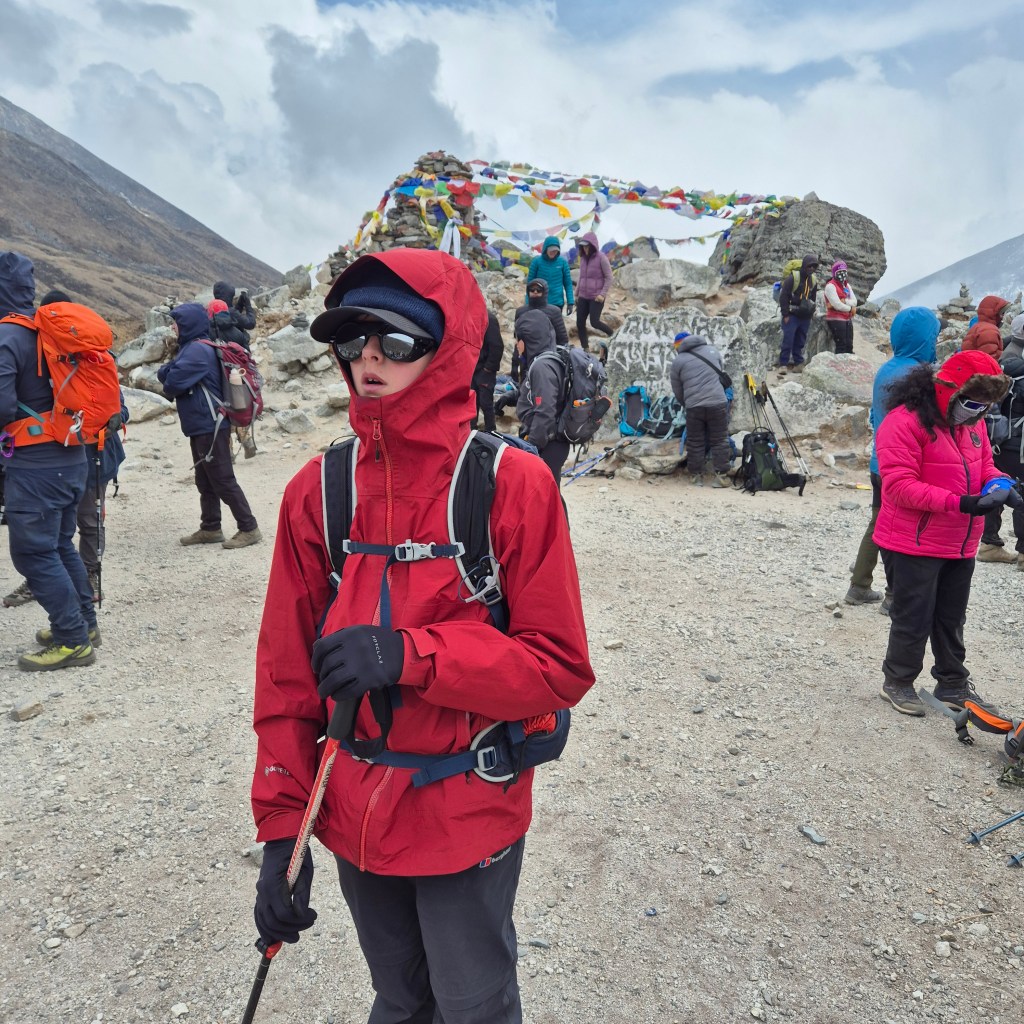
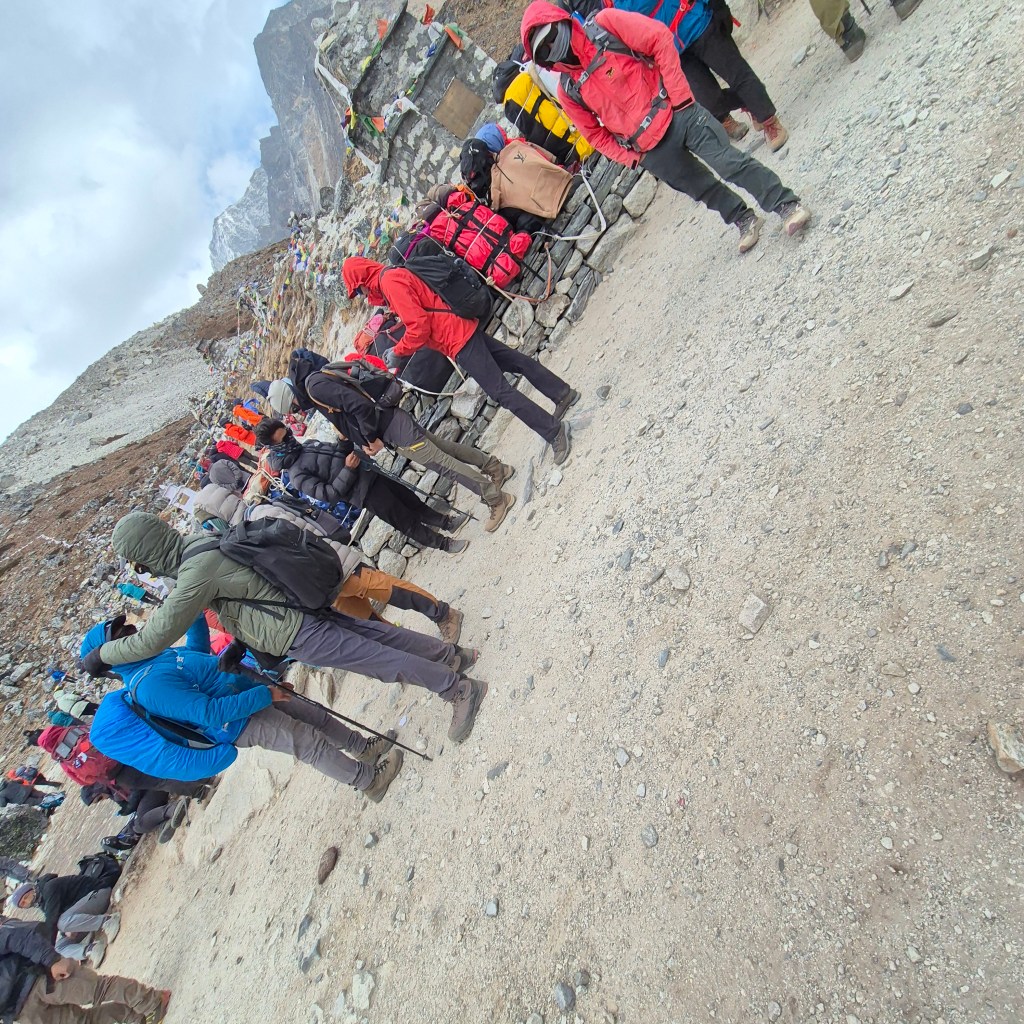
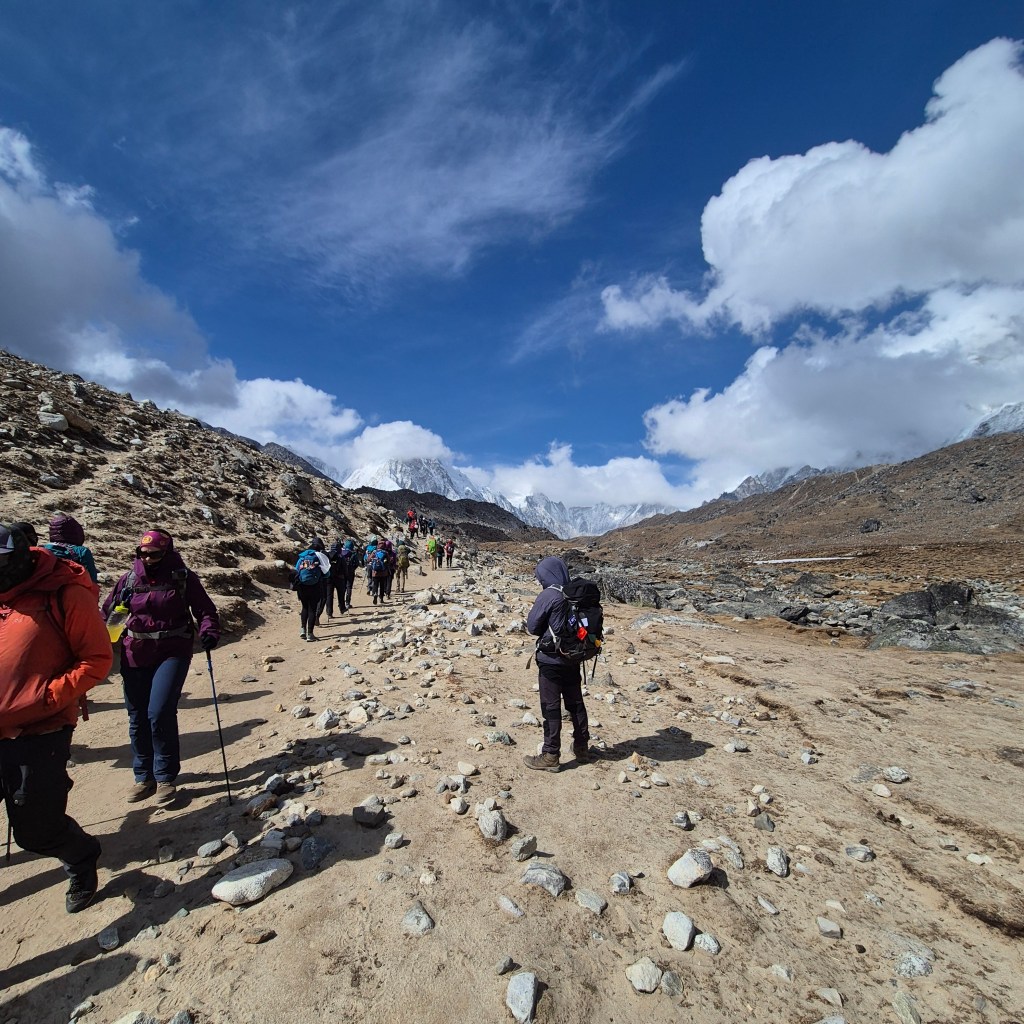
At the top of the pass, we arrived at the Everest Memorials. This collection of stone memorials and chortens pays tribute to climbers who have lost their lives on Everest and other Himalayan peaks. When we arrived, it was bustling with hikers taking photos and videos, creating a surprisingly jovial atmosphere. Unlike the powerful, sombre vibe of the K2 memorial, this felt a little like a gimmick. Our guide agreed, noting it was primarily a tourist attraction. We could see how, if it were less crowded or people simply passed through without lingering, it might evoke a similar powerful feeling as K2, but alas, it didn’t, and we moved on quickly towards Lobuche.
Unfortunately, the weather had started to turn, as it often does in the afternoons. The sun disappeared behind the clouds, taking the peaks with it, and the biting wind made us cold and increasingly tired. The landscape transformed again as we trekked between the high mountain flanks on our left and the lateral moraine of the Khumbu Glacier. All signs of life vanished, replaced by a rocky, stark, and rugged scene of rock and ice. The path was narrow at times, but thankfully, most of the downhill traffic had passed, and we trudged on towards Lobuche. Arriving there was a new experience; the village itself is just a small cluster of windswept, very basic buildings, feeling more like a rundown farmstead.
Our accommodation, the Oxygen Altitude Home, boasted a very cosy social area but, predictably, cold rooms with no heating. We settled in, exhausted but relieved to be so close to our goal of EBC.
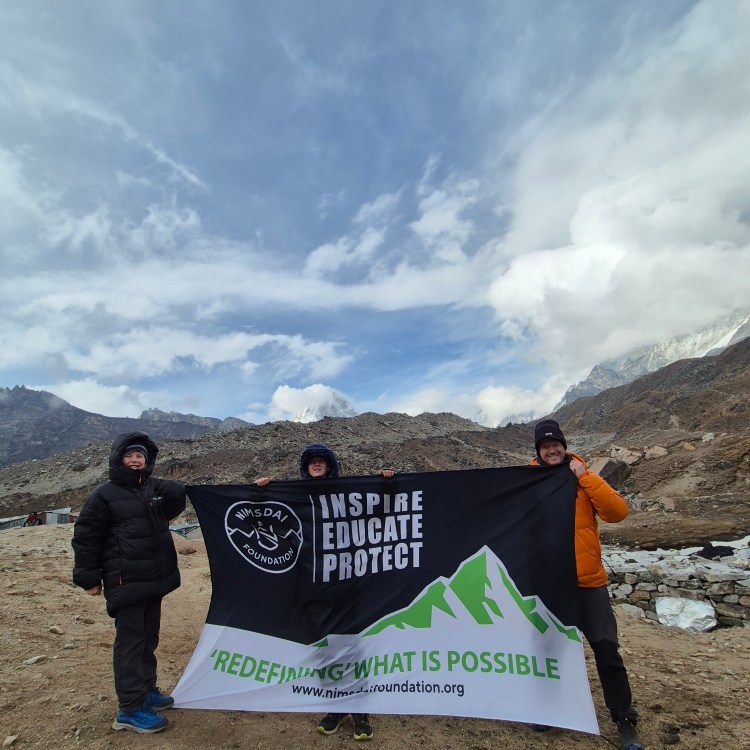
After some much-needed food and tea, Martina headed to bed to try and sleep, while the rest of us went to see the site of the Nimsdai Foundation’s Porter Lodge. This crucial lodge, part of their “Project Horizon,” aims to provide safe, warm, and purpose-built accommodation for up to 100 porters, who often lack proper shelter at high altitudes, resorting to sleeping in dining halls or undertaking exhausting downhill treks for a place to rest. The lodge is being constructed using sustainable materials and local expertise, not only to improve the porters’ welfare but also to foster a more ethical and sustainable tourism model in the Himalayas.
Back in the warmth of the food hall, we witnessed a shocking incident. We’d noticed another child on arrival, a girl who looked around nine but was, in fact, twelve, the same age as Ben. She had seemed quite happy earlier, but on our return, she was wearing an oxygen mask, surrounded by people trying to help her. She had collapsed, suffering from severe altitude sickness. The sheer panic in her and her parents’ eyes was terrifying to witness. Incredibly luckily for her, two high-altitude doctors, who were in the teahouse conducting three weeks of research on altitude effects, immediately sprang into action.
Speaking to them the next day, we learned she went from being fine to critically ill in minutes. It was incredibly fortunate it happened there, not on the mountain or higher up. The doctors were there, an oxygen tank was available, and the weather wasn’t too severe. They’d called a helicopter, but due to the wind and low cloud, it couldn’t come, so she had to be placed in a basket and carried down on a porter’s back.
It truly hammered home the dangers of the mountain. We were also told she hadn’t eaten and had rushed up the mountain because her parents, confident she’d be fine as a cross-country runner, hadn’t enforced proper acclimatisation. It reinforced that you can never be too careful here; you must follow the rules and take your time.
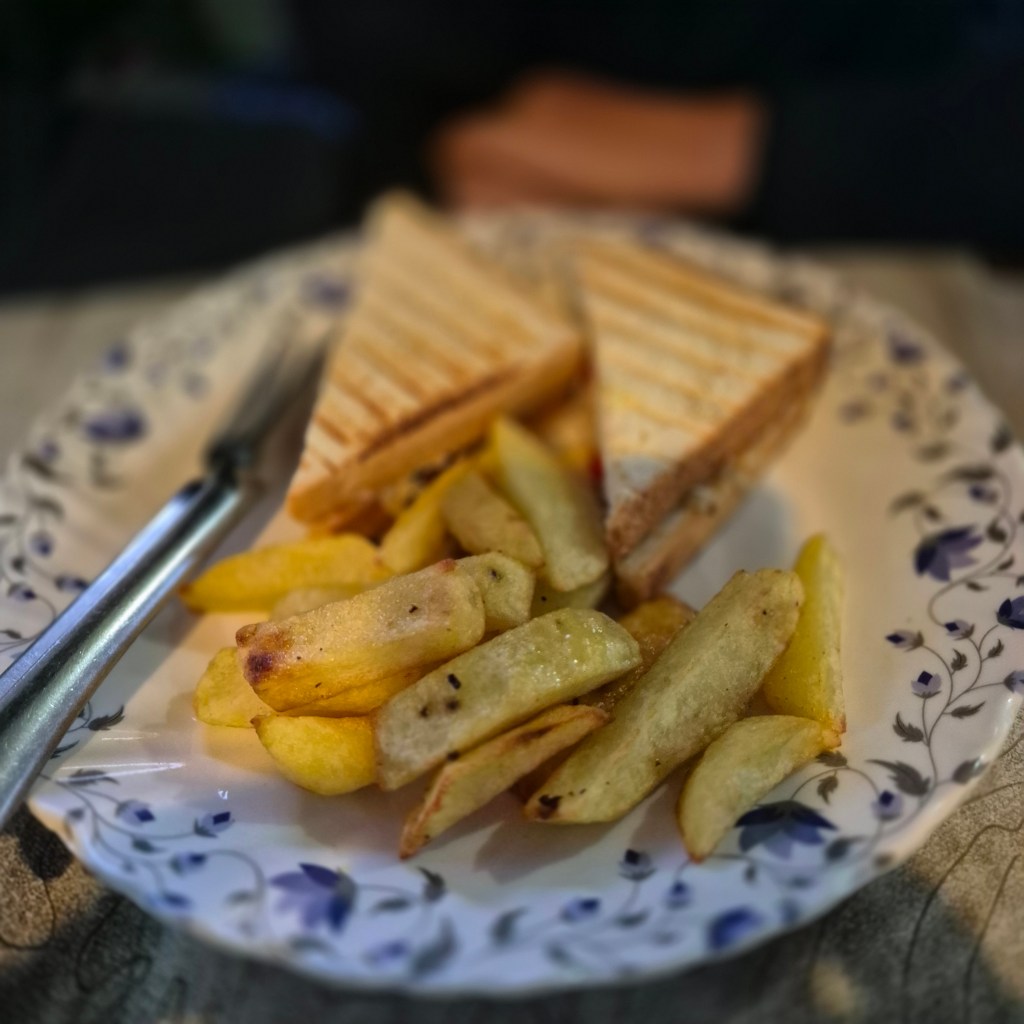
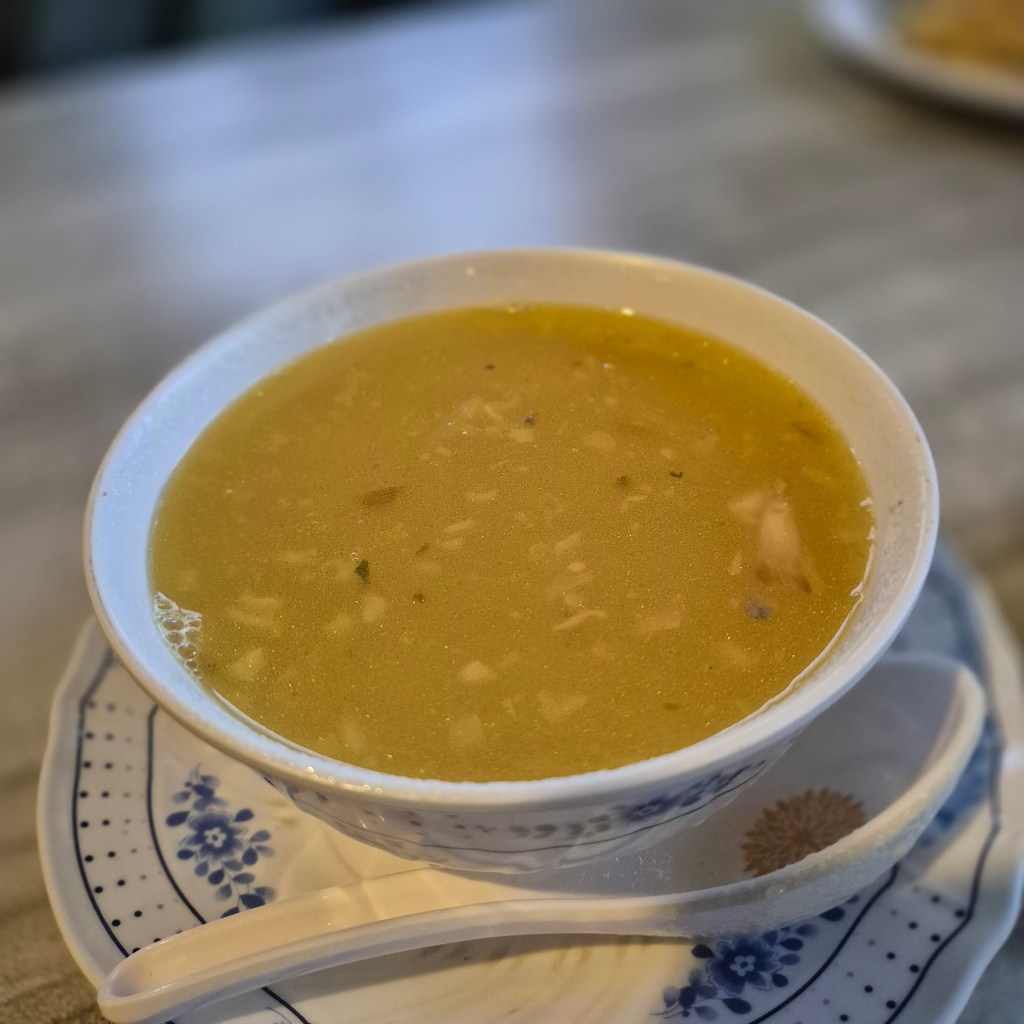
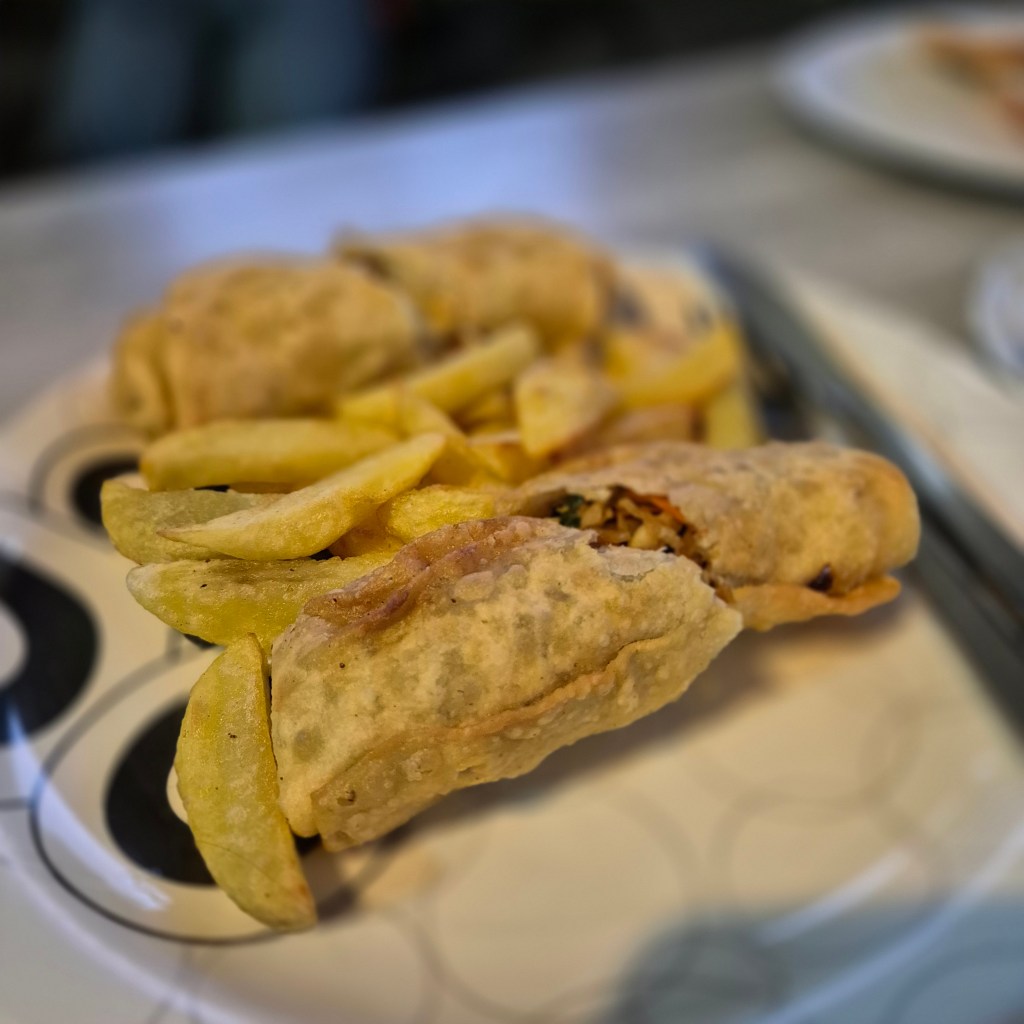
After another good meal (though William and Martina were really struggling to eat today), we headed to bed early. William, in particular, found the warmth of the now-packed, airless food hall stifling. It was too hot to stay in the room, but stepping into the corridor meant venturing into freezing temperatures. Snuggled into our sleeping bags, we tried to sleep, but altitude and tiredness made it difficult.
Tomorrow, we push for Everest Base Camp. We just hoped we have the energy for what’s going to be a long day!


 Family Russell-Smith Travel