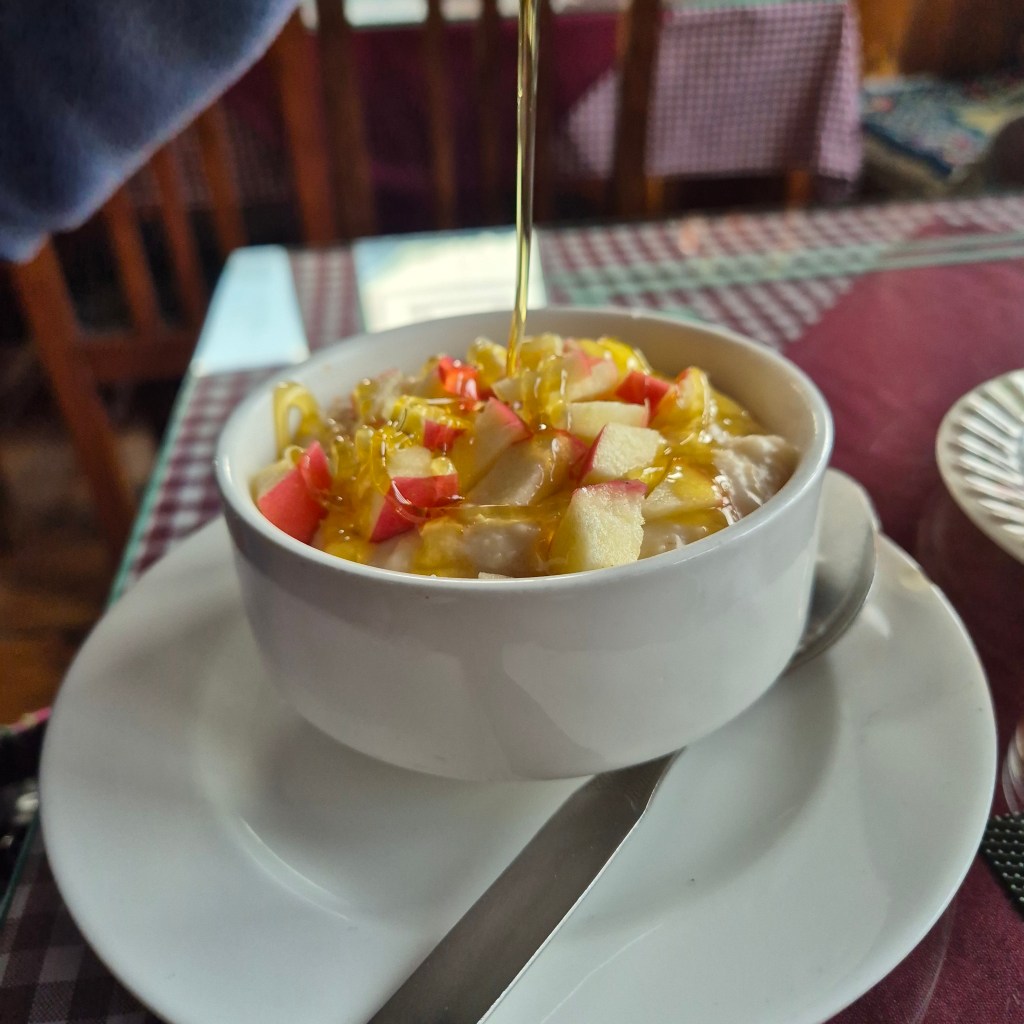
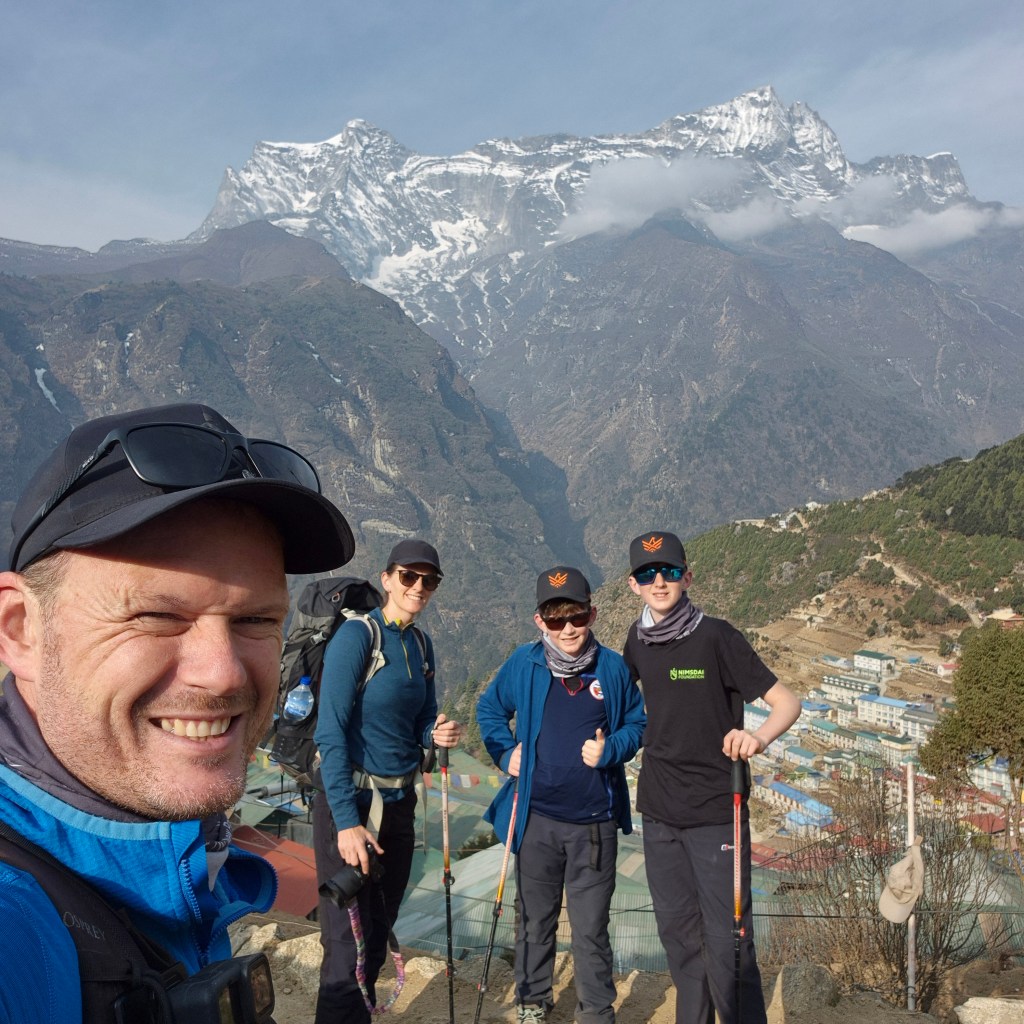
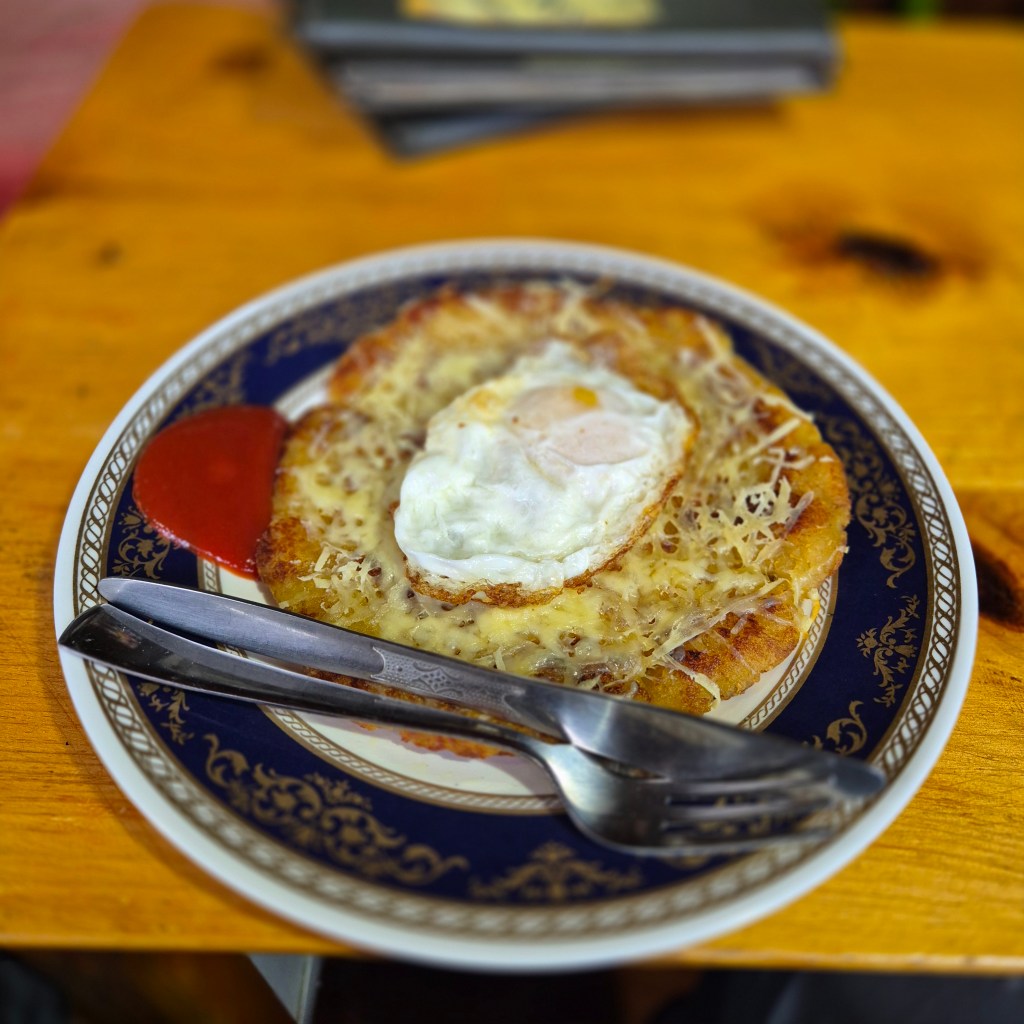
Today we had a lie-in, at least until 7 am, as the hike today wasn’t going to be too long. However, we wanted to get going early to reduce the chance of cloud build-up blocking the views. Today was an important day for acclimatization, as we planned to hike up to approximately 3,780m. Instead of the typical “hike up and down” approach, we planned to trek to Khumjung Village via the Everest View Hotel and then have time to visit the Hillary School for a tour. We set off after another hearty breakfast of eggs and Tibetan bread, eager for a chance to see our first glimpse of Everest and its surrounding peaks. Unfortunately, as expected, the clouds rolled in quite early, completely blocking our anticipated panorama.

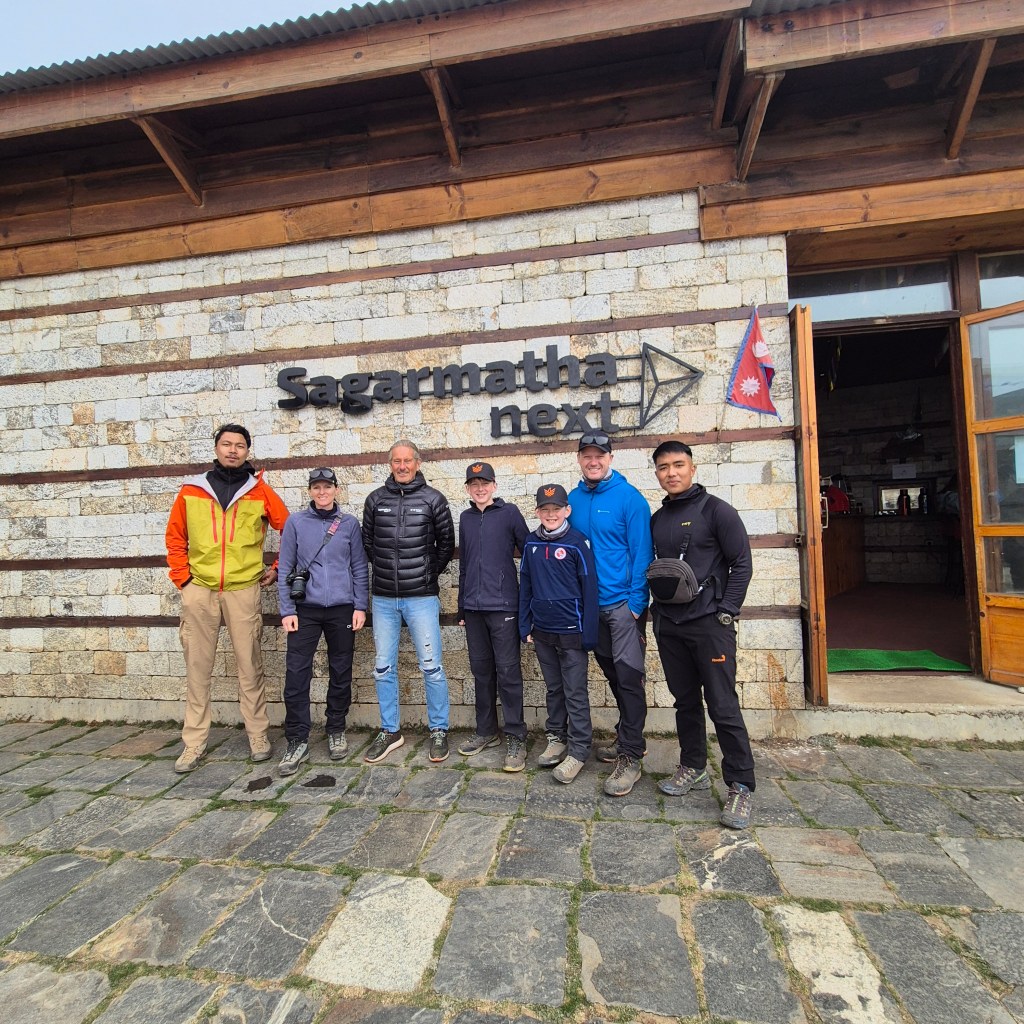
With the views obscured, we opted for an insightful visit to Sagarmatha NEXT, which also houses a recycling education centre. We had a fascinating chat with the centre’s co-founder, Tommy Gustafsson, learning about his impactful work, its achievements, and his ambitious future plans. This was a truly interesting conversation, and I’m already thinking about how we might collaborate on this work, perhaps through our schools at home by creating a scheme of work on sustainable tourism. We were disappointed not to have been able to see Everest, but this was more than diminished by the fact we got to visit this amazing centre. We had already commented on how clean the EBC trail was, and this is mainly down to the work of the guys at Sagarmatha NEXT educating both locals and foreign visitors alike. One of the best initiatives is the “Carry Me Back Project,” which is a crowdsourced waste removal system to transport the waste generated in the Khumbu region for proper recycling. Check this out and please take part!
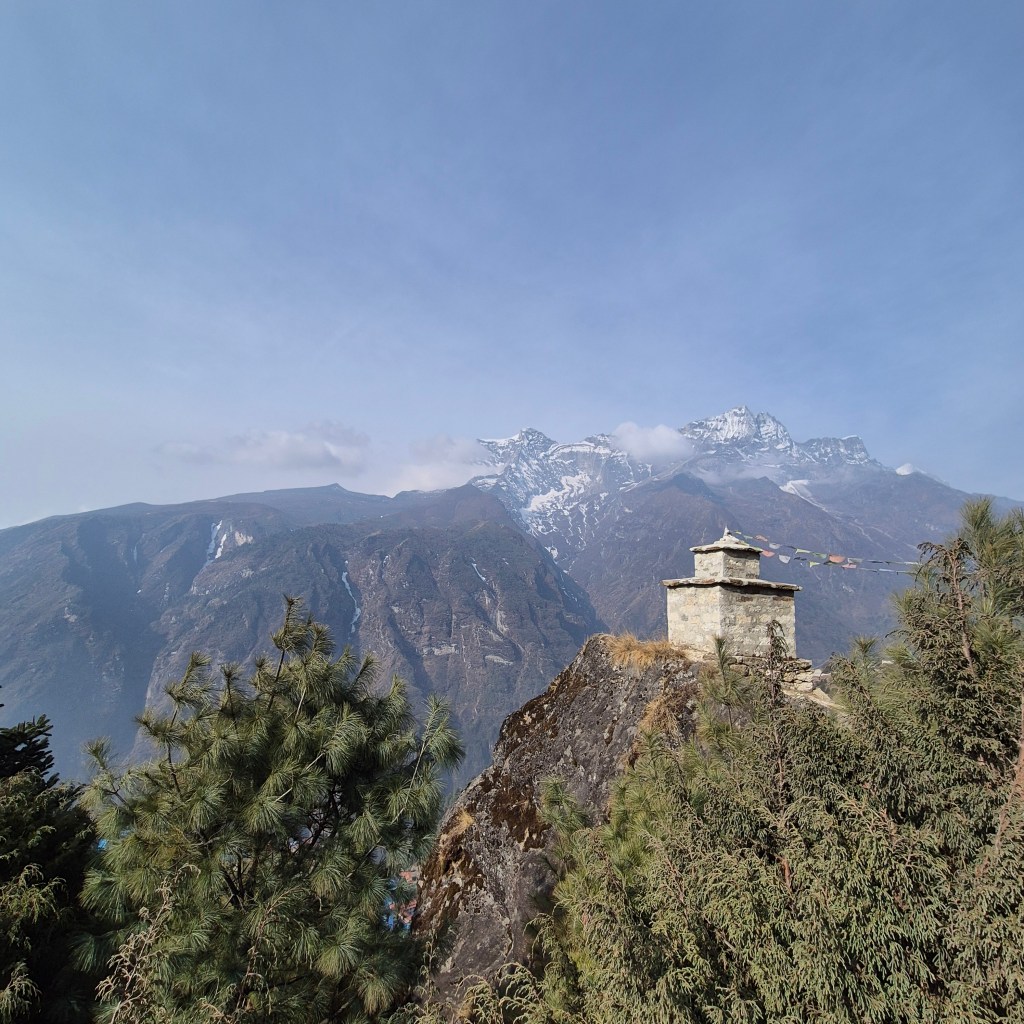
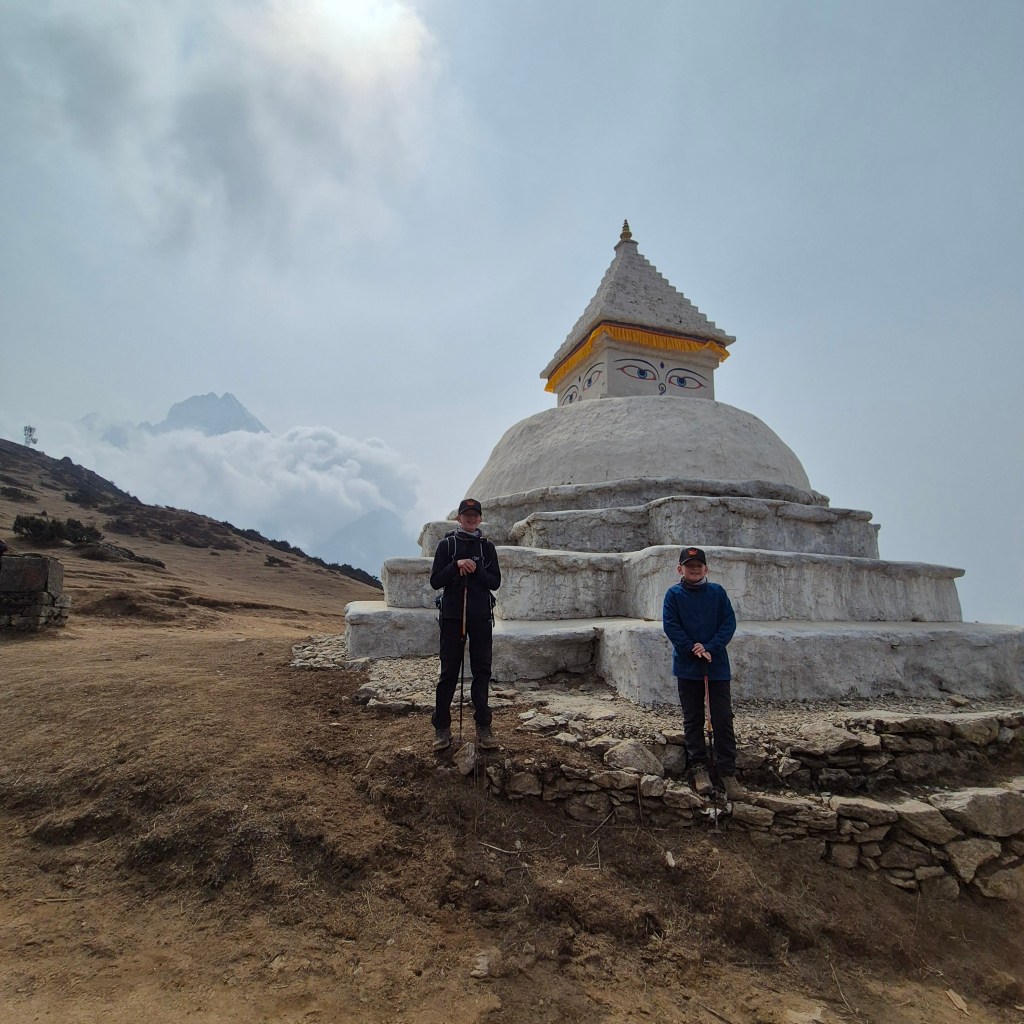
After a good hour of exploring and chatting, it was time to continue the hike. The clouds cleared for a brief moment, giving us a sight of the stunning views and the mountains of Lhotse and Nuptse.
Our hike down into Khumjung Village revealed a much more basic and less touristy side of Nepal. This was a chance to witness authentic local life, with farmers going about their daily routines. We were staying at the Valley View Lodge, Khumjung, which is owned and run by Suti, an ex-Elite Exped employee whose father had summited Everest many times. The teahouse itself was lovely, with comfortable rooms that, although cold (normal for all the teahouses), were cosy once you got into bed under the duvets.
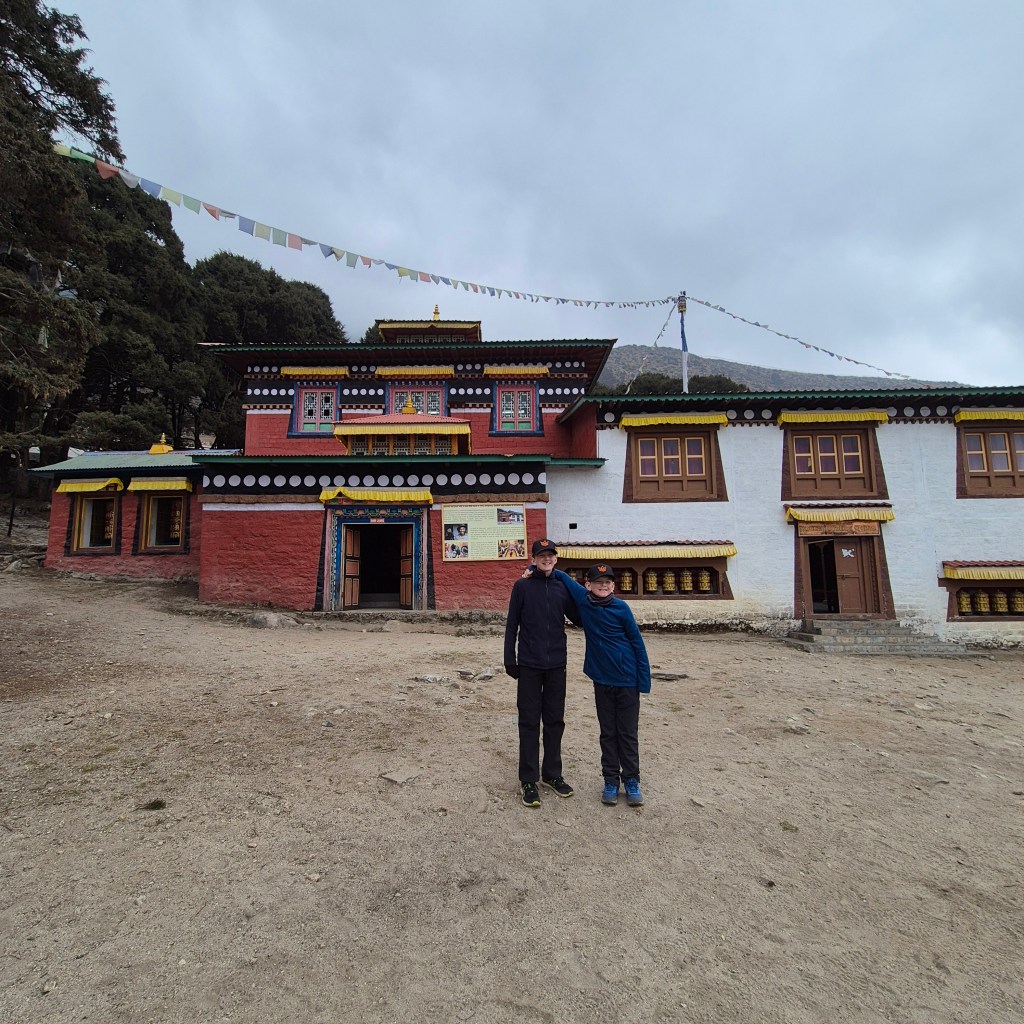
After another amazing lunch, we went on a tour of the village with Suti as our guide. We first headed to the Khumjung Monastery, which famously houses what is believed to be the skull of a Yeti (or so the legend goes!). There was a 300 Rupee entrance fee per person, and it was a genuinely interesting place to see and experience.
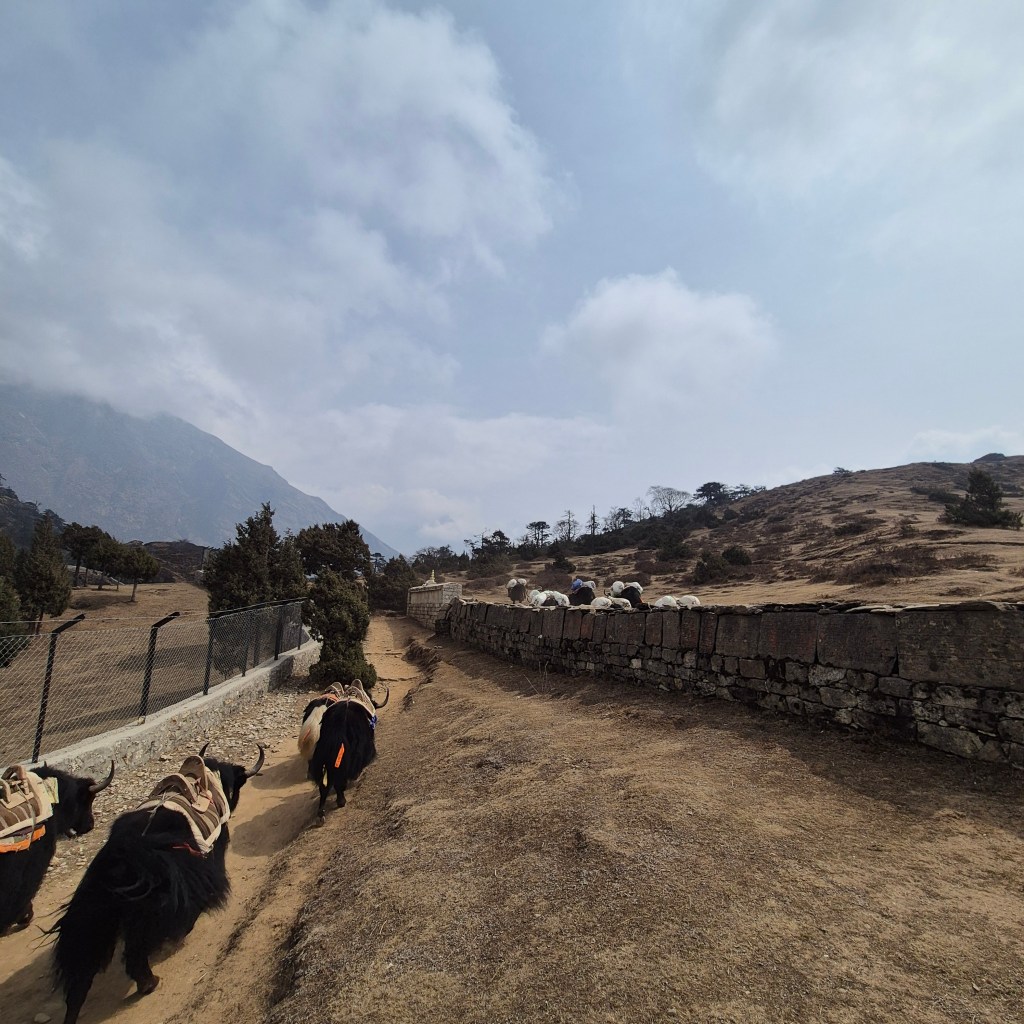
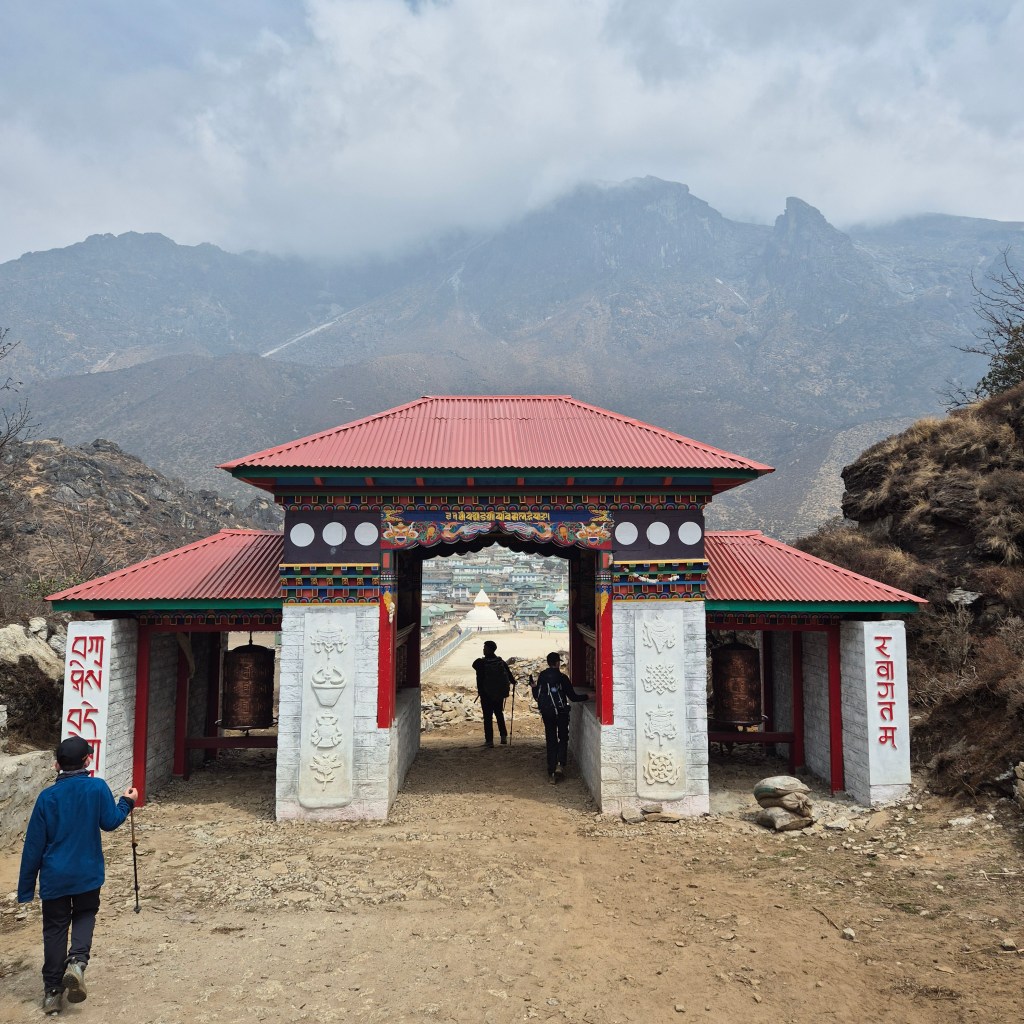
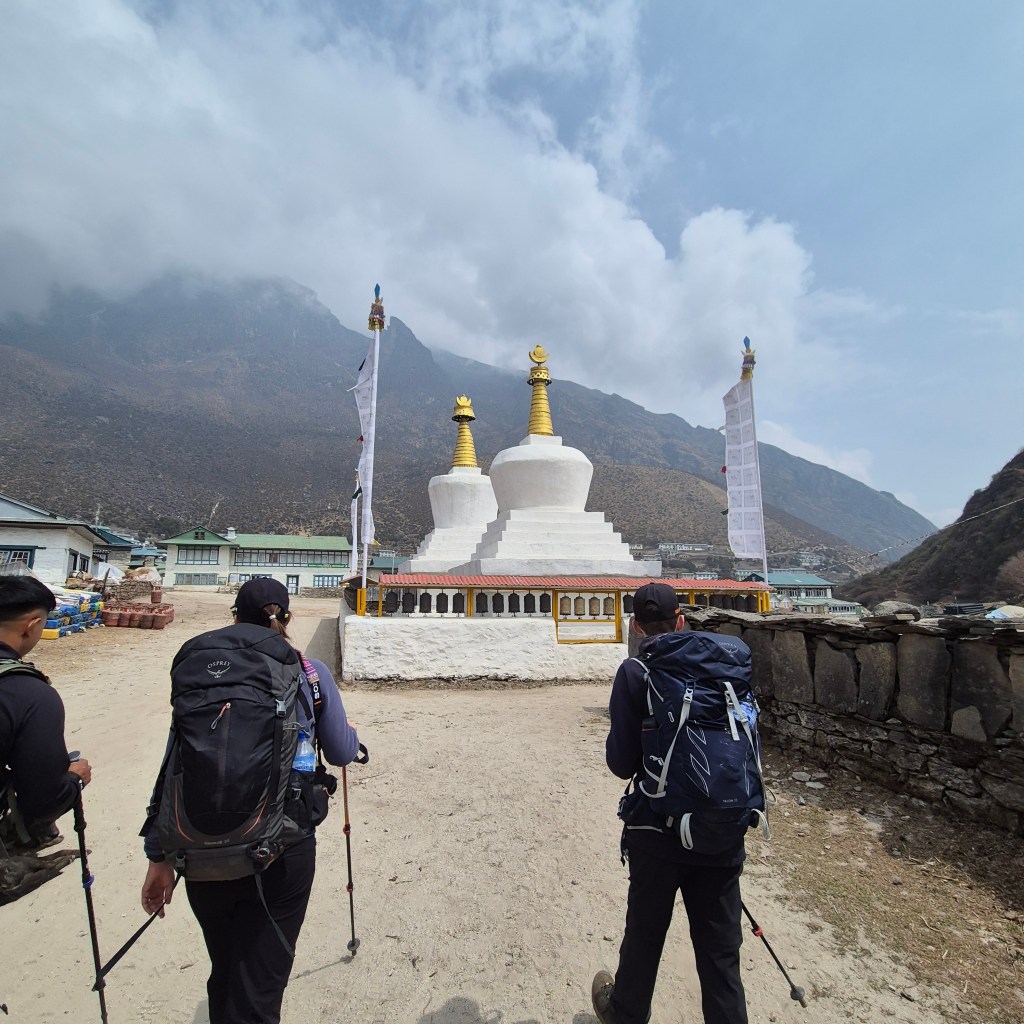
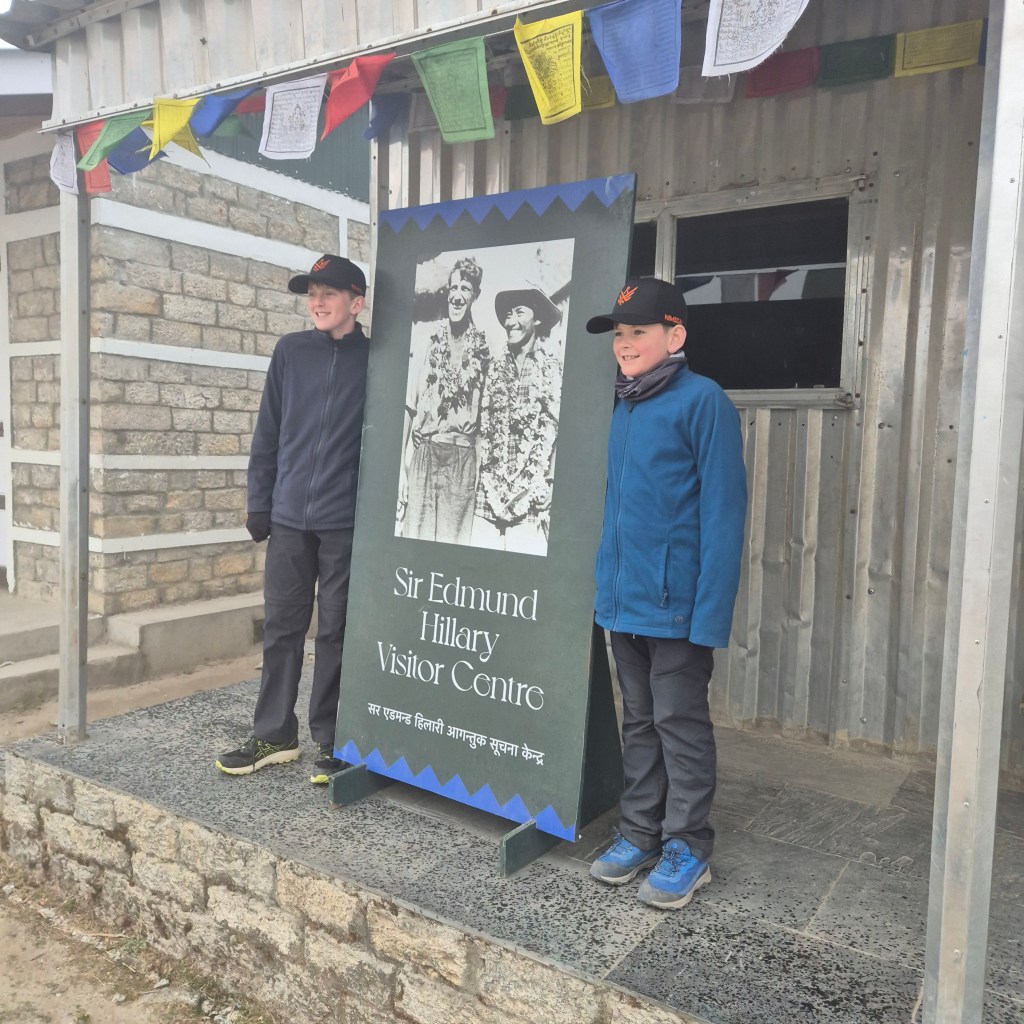
We wandered around the village some more, with the clouds dropping low into the village, blocking any views and bringing rain. This was something we had planned and packed for (see our packing list), but it’s something you don’t want as you know the views are there behind the cloud, but frustratingly, you cannot see them! The paths we walked were empty save for the odd cow and farmer going about their business. This was true rural life in Nepal, and we highly recommend you head to the village and do your night acclimatization here. As much as Namche Bazaar is nice, this place has a different vibe, one that was more in fitting with the vibe of the mountains. We made our way to the Hillary School, which we had passed on the way into the village when we arrived. Since the school was closed for the holidays, we were shown around by Suti, who herself had been a student at the school. She excitedly showed us around the different areas of the school, explaining its operations and daily life. We learned a great deal about the challenges of education in Nepal. This school receives a lot of funding from many different charities and has done so since it was built by Sir Edmund Hillary. However, it is still incredibly basic, with the classrooms resembling large sheds with simple tin roofs. On entry, they were very dusty, small, and cold. Up to 40 children sit at basic desks, huddled around tables to keep warm. They have a huge play area with a large football pitch and some basic climbing frames outside. There is a library and a computer lab with 15 PCs. We are not sure how they survive the harsh conditions of dust and cold, and in reality, they probably won’t last too long in these conditions.
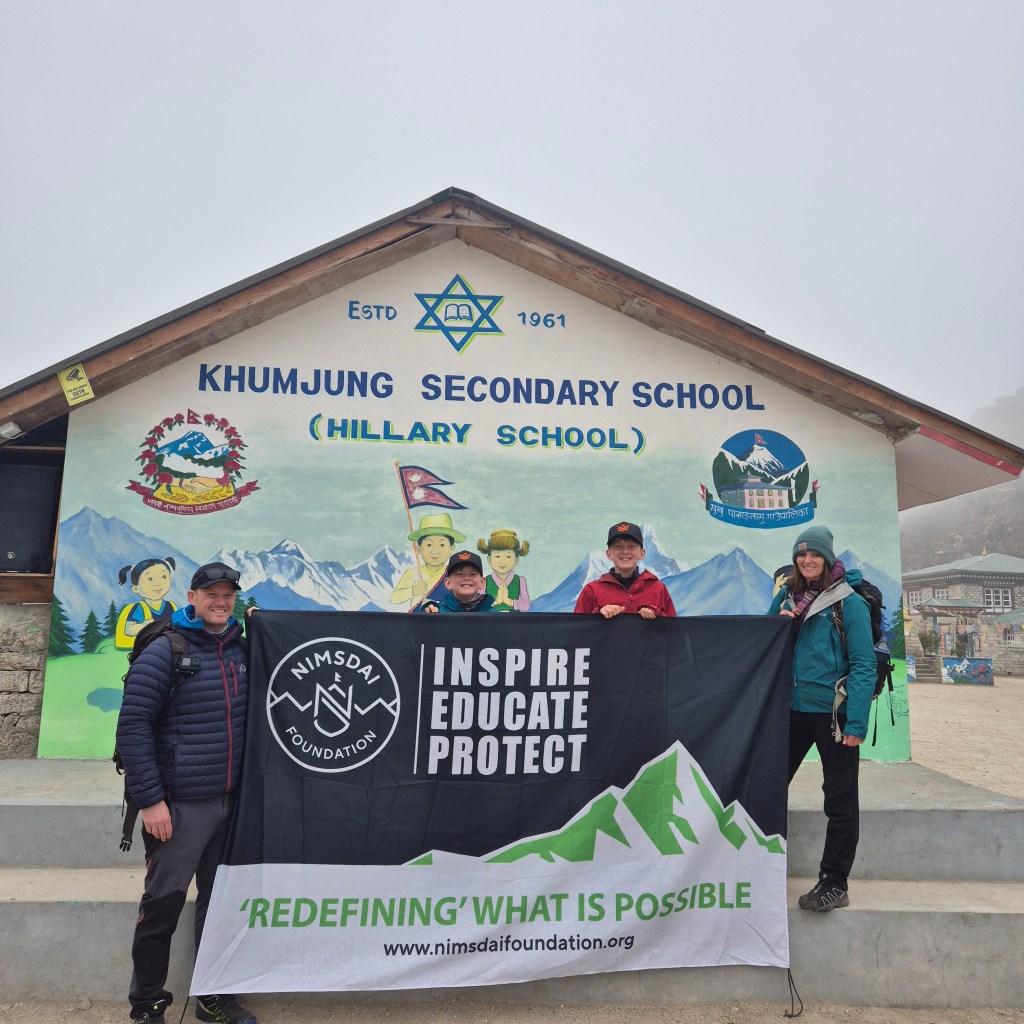
We also saw firsthand the good work the Nimsdai Foundation is doing, with three classrooms having interactive TVs installed to help make classes more engaging, and how the foundation has paid for the installation of CCTV, which supports the school in both staff professional development and tracking student poor behaviour.
We had a good conversation with Suti about the struggles of children in Nepal, with her sharing that the three key things children in Nepal need are access to quality education, adequate healthcare, and nutritious food. This visit truly reinforced our commitment to aiding the Nimsdai Foundation with scholarships. She said one of the biggest barriers in early years education is a lack of resources for the children, and for older children, it is the lack of funding, as older children have to go to Kathmandu to continue their education, but many cannot afford the fees and costs of accommodation, meaning most finish their education at age 14.
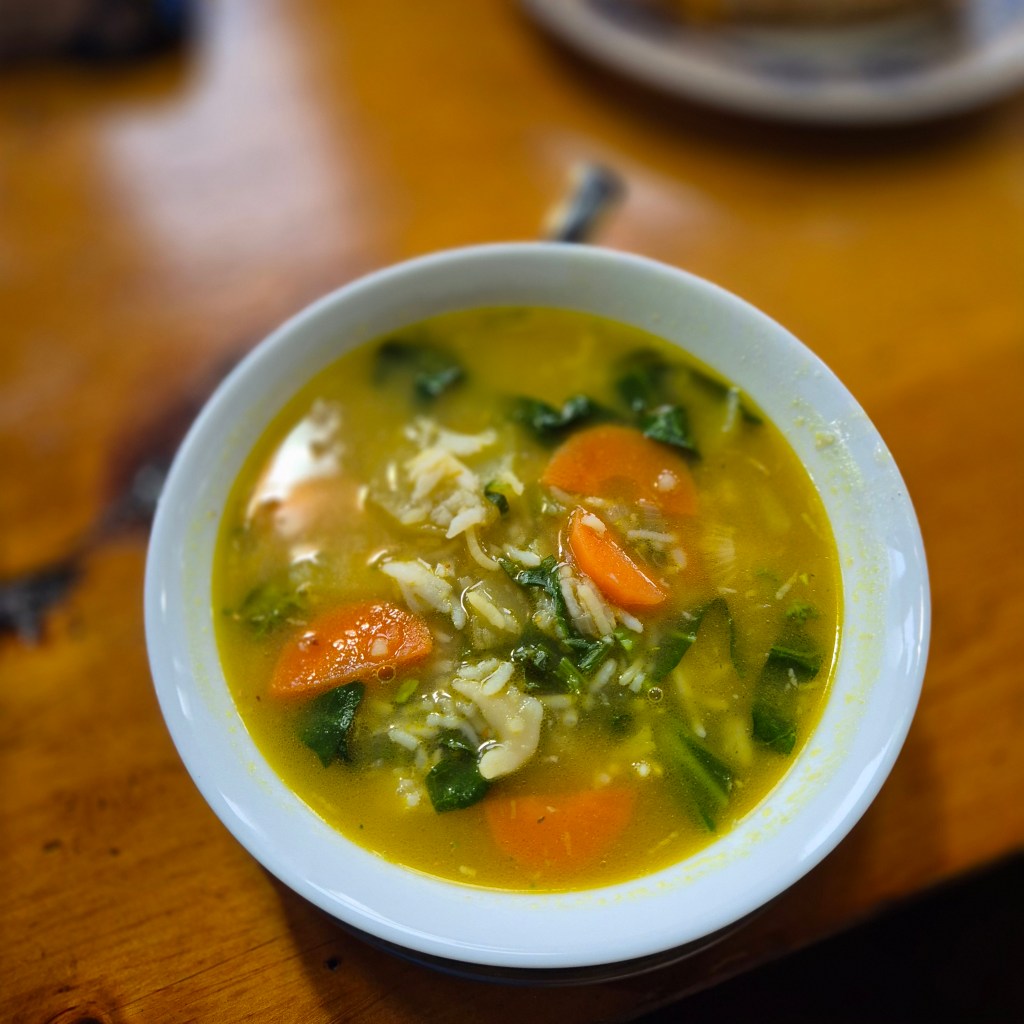
After a mentally stimulating afternoon, we returned to our teahouse to warm up, enjoy some hot masala tea, and settle in for a few rounds of UNO! We then had another lovely dinner of home-cooked food. We were warned food was not great on the EBC trail, but we can assure you we have found quite the opposite.
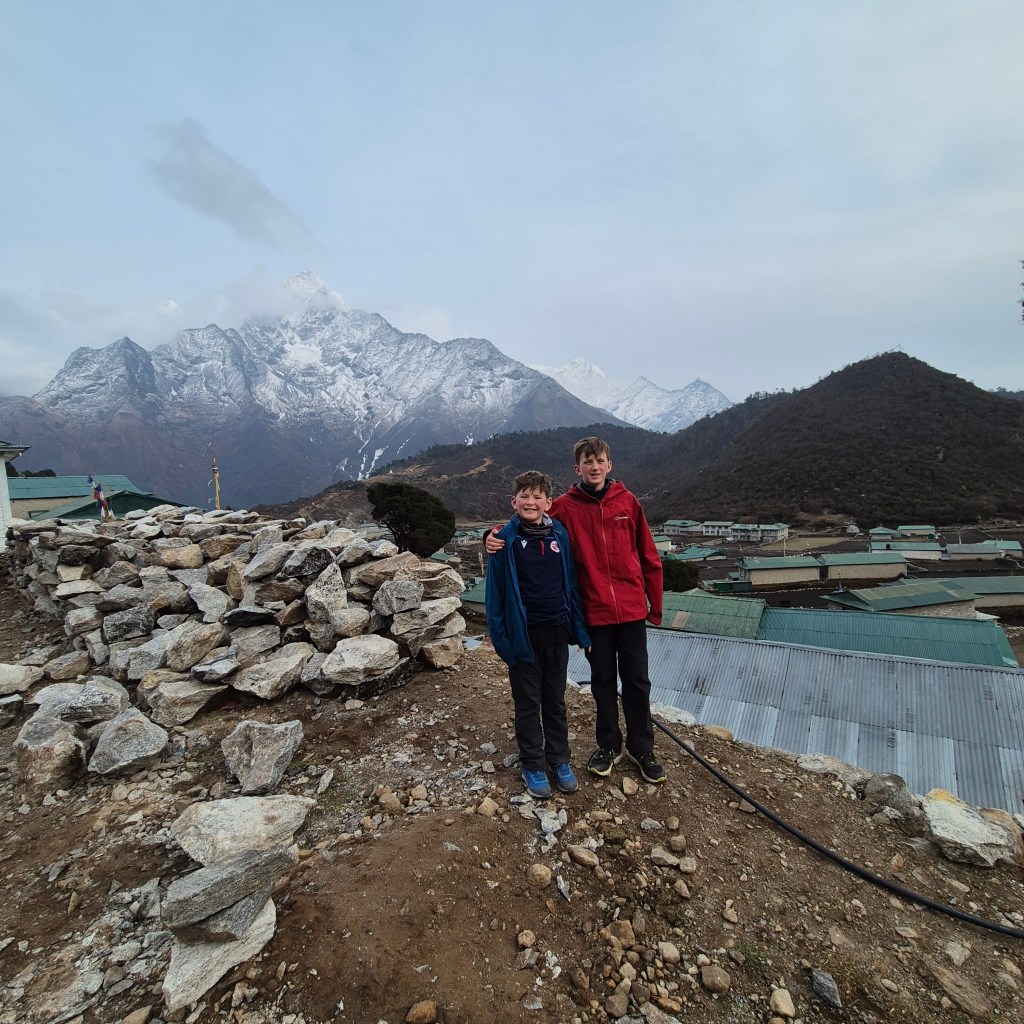
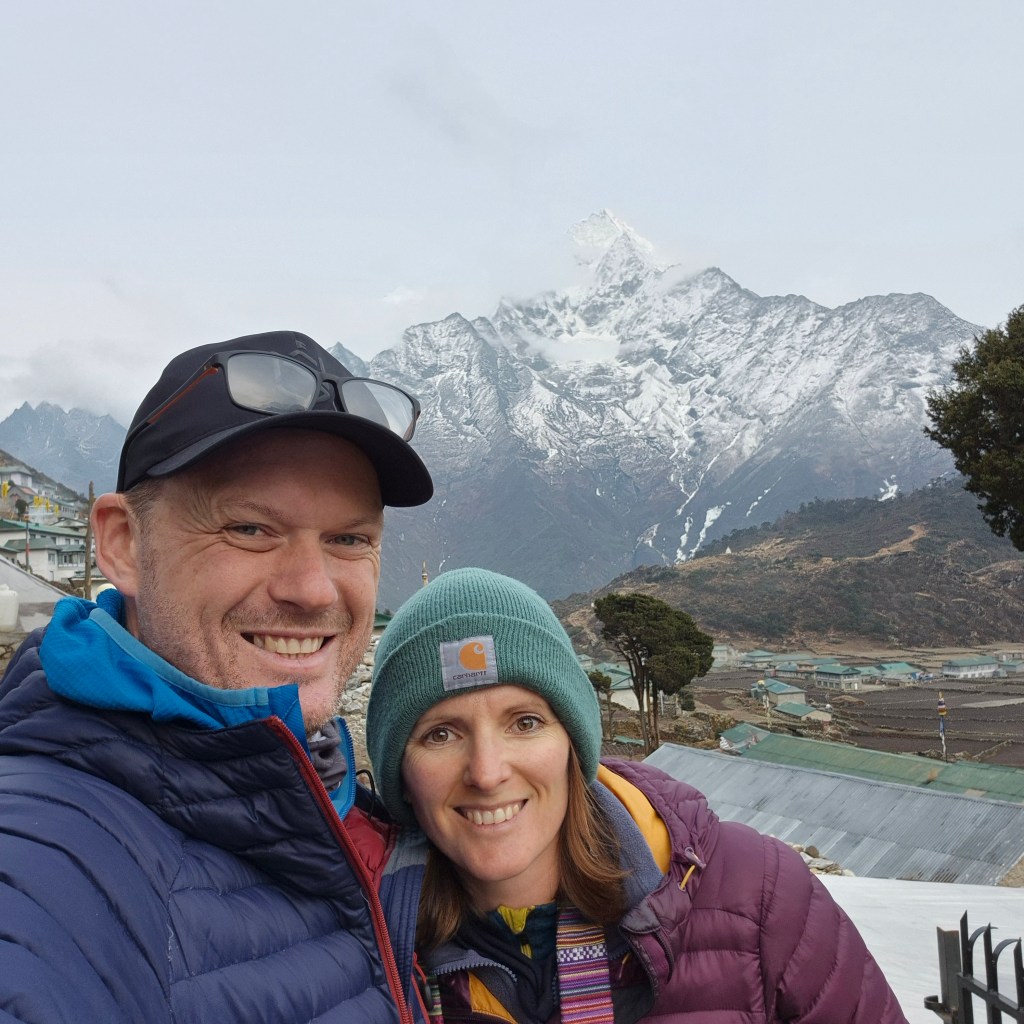
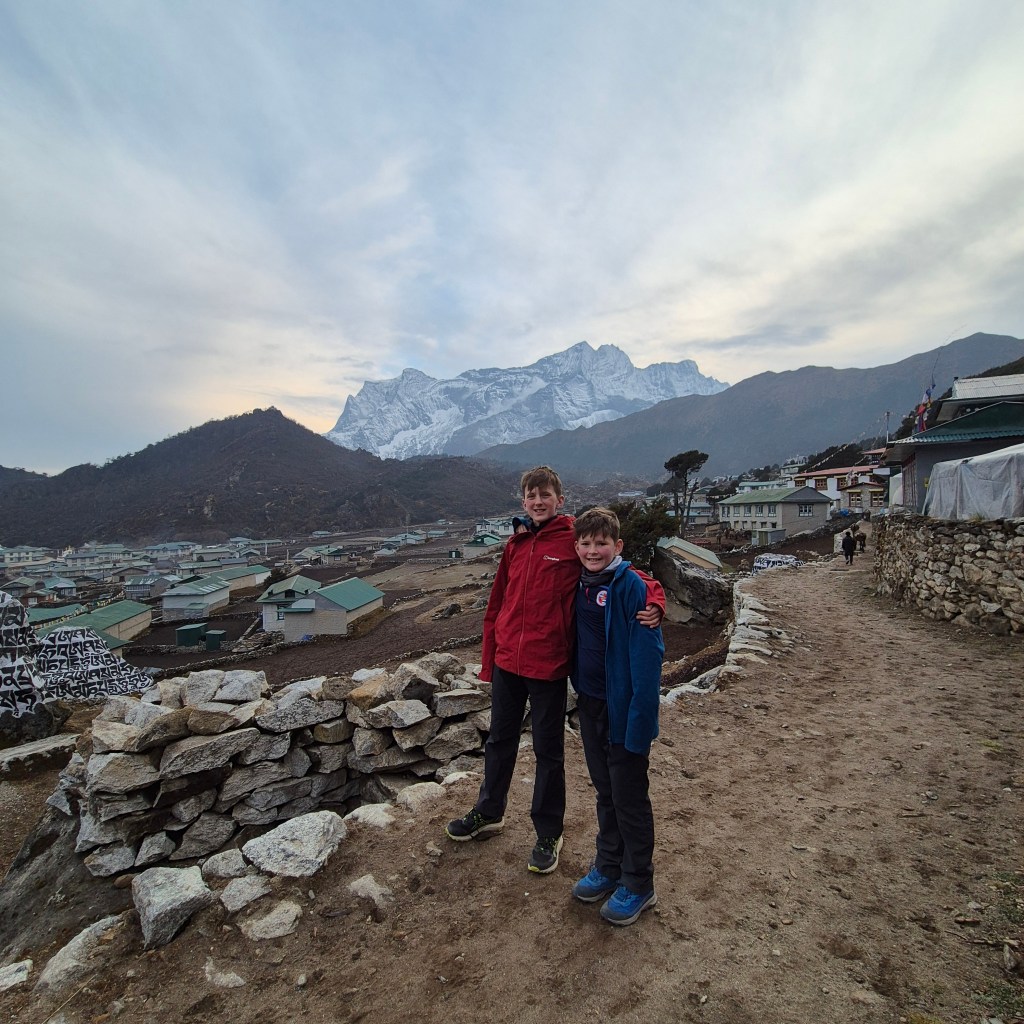
Just before sunset, the clouds cleared, giving us spectacular views that we had been missing of the high, snow-capped mountains. Life in the mountains is simply marvelous, and we would not want to be anywhere else, even if it was a bit cold!
.


 Family Russell-Smith Travel