1. Expect the Unexpected
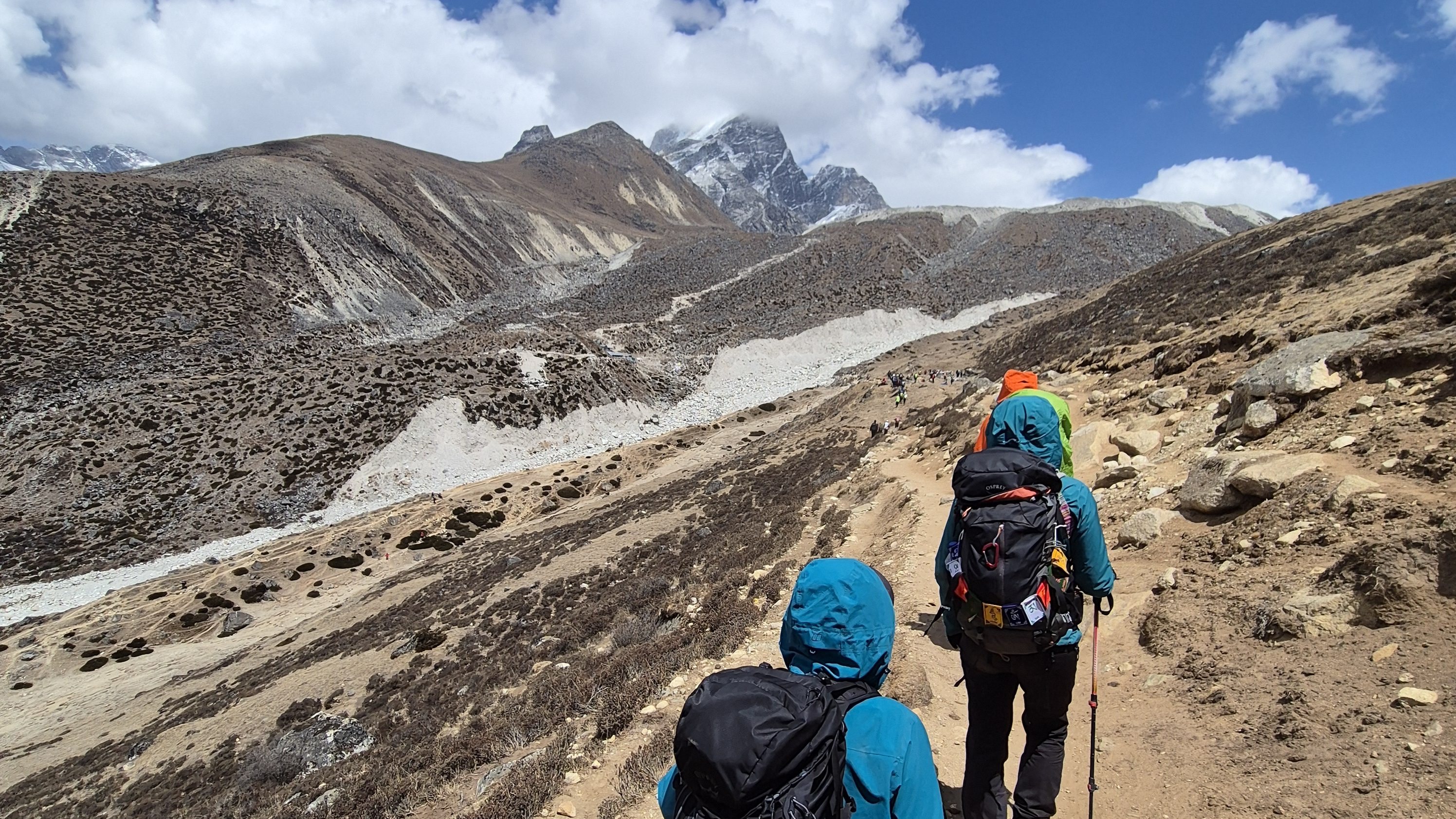
Let’s start with the truth: this isn’t a five-star luxury holiday. It’s a raw, wild, humbling adventure — one that rewards preparation and patience far more than speed or bravado.
While Everest Base Camp (EBC) is better supported than the wild Karakorum (no tents or POO tents here!), it’s still demanding. You’ll live simply, walk slowly, and spend your nights in basic teahouses rather than hotels. And when we say basic, we mean BASIC — especially as you head higher up. That said, we can see development, and some teahouses felt, well… luxurious.
This is not an easy walk in the park and should not be treated as such. We saw many people on the trail who had bitten off far more than they could chew — suffering and turning back. TikTok/Instagram culture has made it seem easy. It is not, and unless your family are used to the mountains and long days hiking, this is not for you. That’s a brutal truth. We are a family who have hiked at high altitude several times, and this one nearly caused us to turn back on more than one occasion.
On that note, don’t get “summit fever.” Remember the safety of your family, especially your kids, comes first.
It is, however, breathtaking, challenging and utterly worth it. But it demands honesty, both from yourself and your kids.
2. When to Go
Choosing the right season can make or break your trek.
So when should you go?
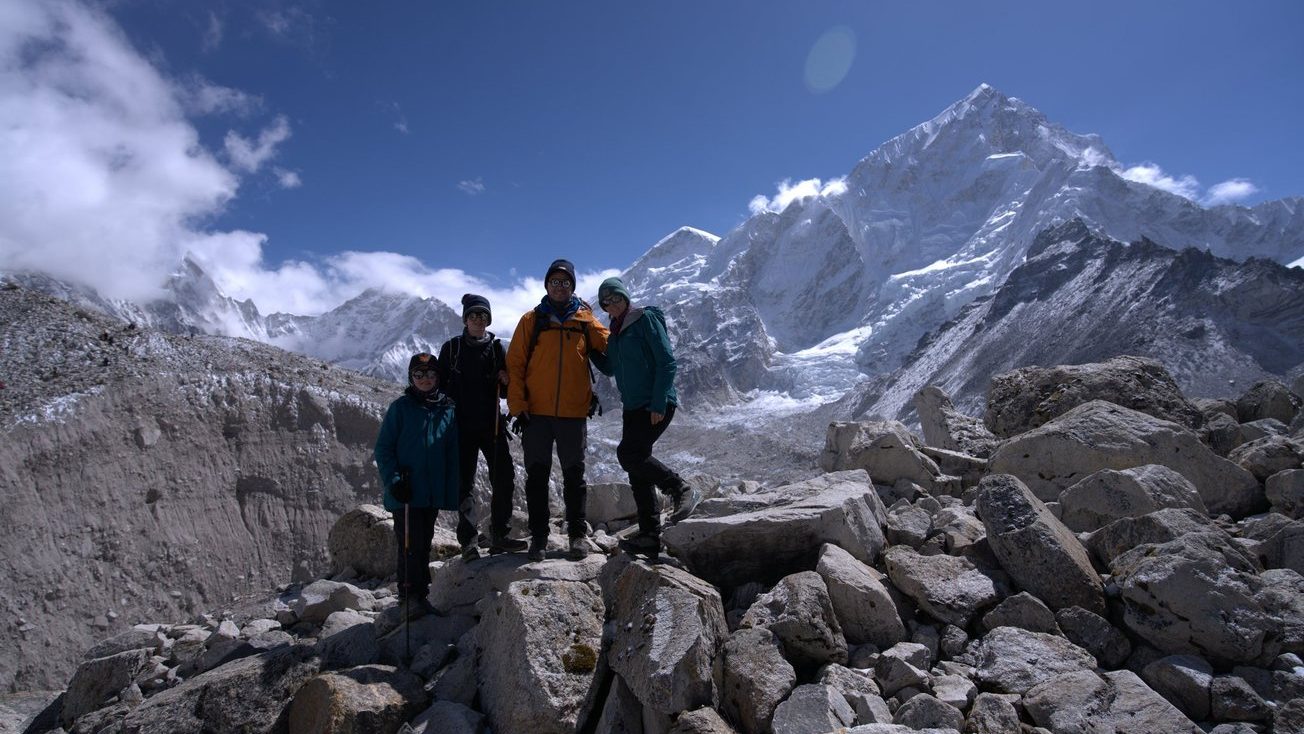
- March to May – clear mornings, warmer afternoons, rhododendrons in bloom. Perfect for the UK Easter or May half-term.
- October to November – crisp air, stunning skies, and generally stable weather.
Avoid the monsoon (June–September). Deep winter is apparently possible but probably best avoided as a family — unless your family are hardened polar bears.
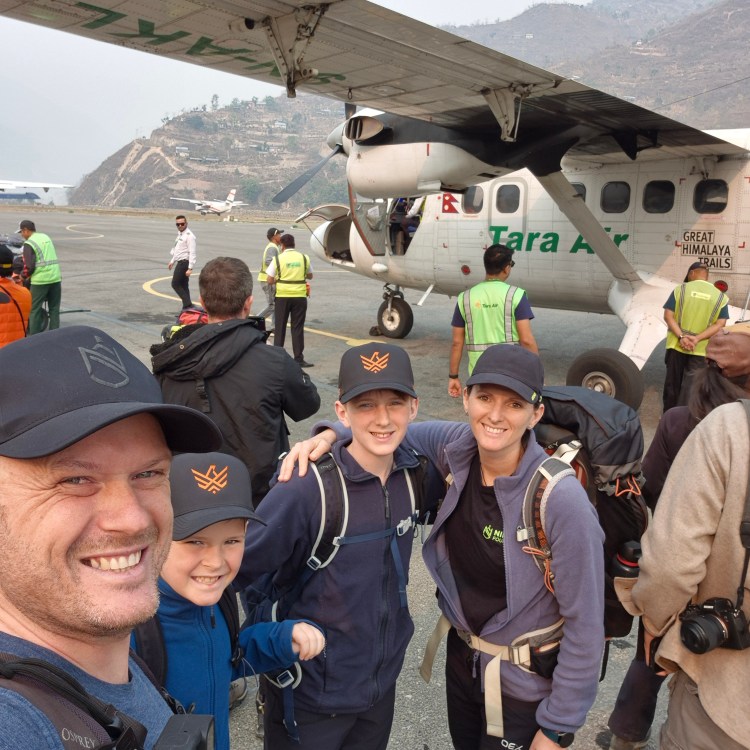
However, even in the “best” seasons, things don’t always go well. In October 2025, the late monsoon caused flight delays and muddy trails, so flexibility is key. Always build in buffer days. The flight to Lukla can cause major delays. High winds and low cloud often ground flights.
We were delayed by 24 hours in April 2025 due to the opposite — it was so calm that smoke from local fires (for cooking and warmth) caused visibility issues. Not so bad for us; some people had been delayed for days.
3. Go Slow… On Purpose
If we could give only one piece of advice: don’t rush.
Our kids acclimatise to altitude brilliantly when given time and taken slowly. Often, they are better than the adults (aka Mum and Dad). But pushing them too fast is where problems start.
Build your itinerary around:
- At least two acclimatisation days (Namche and Dingboche are ideal).
- Short, steady walking days.
- Early starts. The trails are quiet and kids have the most energy in the mornings.
We’d add an extra rest day if we went again. Slower itineraries aren’t indulgent — they are smart planning and parenting.
4. Accommodation: The Teahouse Experience
After the tents of the Karakorum, the Everest trail feels almost luxurious at times.
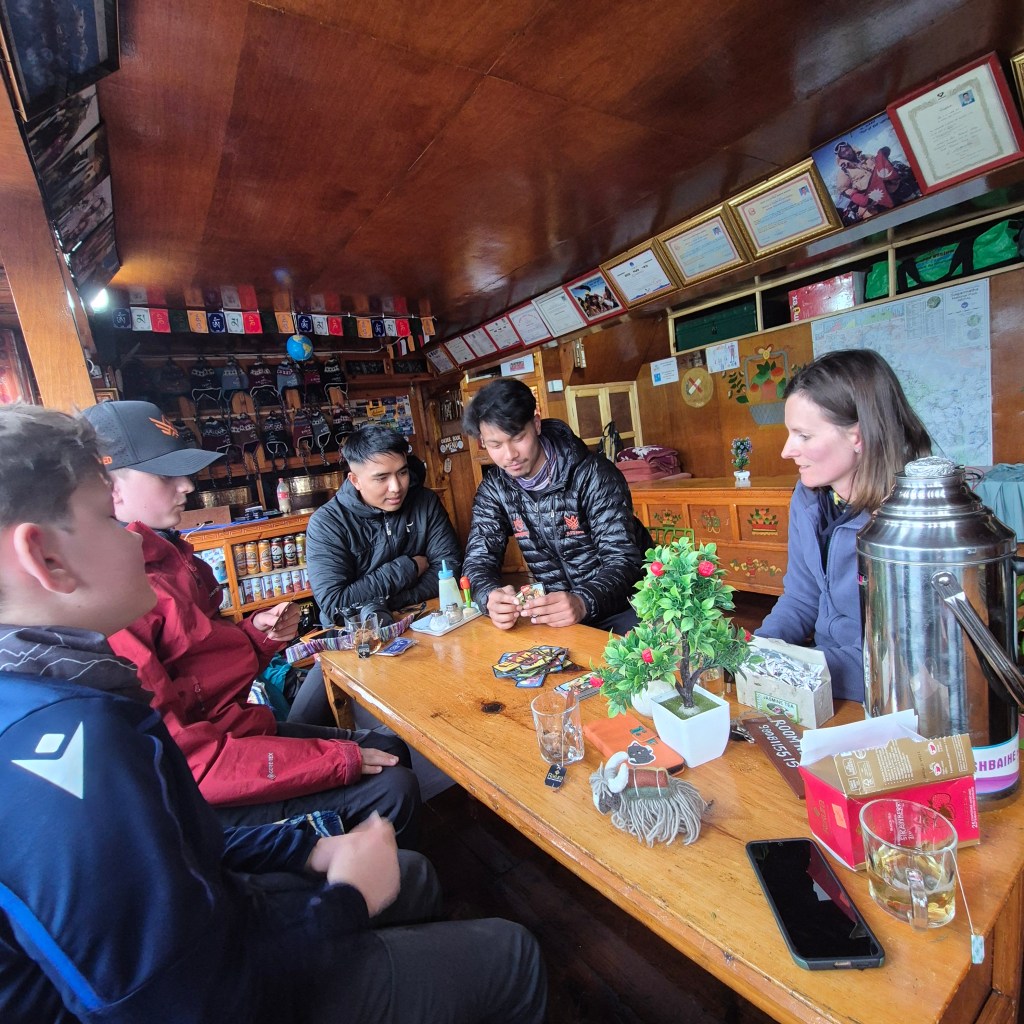
Teahouses are basic but friendly, family-run, and full of charm. You’ll be provided with twin rooms with wooden beds and thick blankets. These rooms are NOT heated (even in the best teahouses), so nights are very cold. Bring a good sleeping bag.
Dining rooms are heated by yak-dung stoves. These get super warm and cosy — sometimes too warm. William really struggled with the heat and often had to step outside into the freezing cold to cool off.
Toilets are shared, but surprisingly they are western-style — even at Gorak Shep.
Be prepared to pay for Wi-Fi and charging. We found that lower down this wasn’t an issue and was often free; higher up it was more expensive.
Almost all teahouses had showers, and in some lodges we were treated to gas-heated hot showers — lovely after a long day’s hike.
Every teahouse offers incredible views, often straight from your window. For kids, it feels like camping with walls and hot chocolate.
5. Food on the Trek
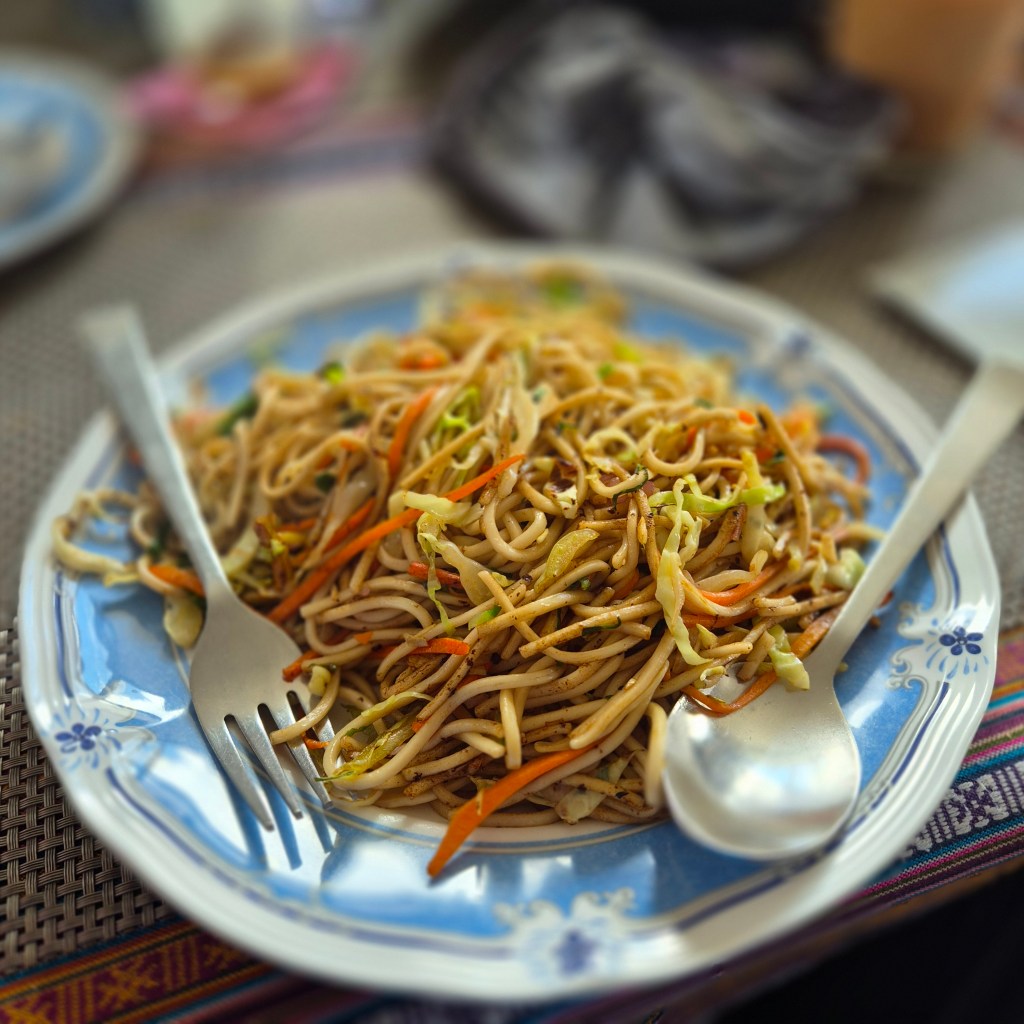
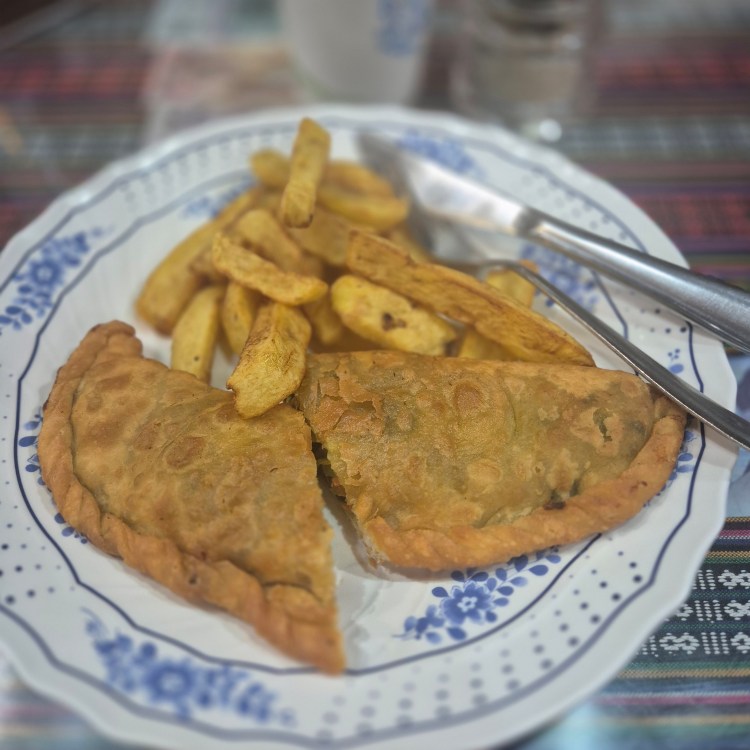
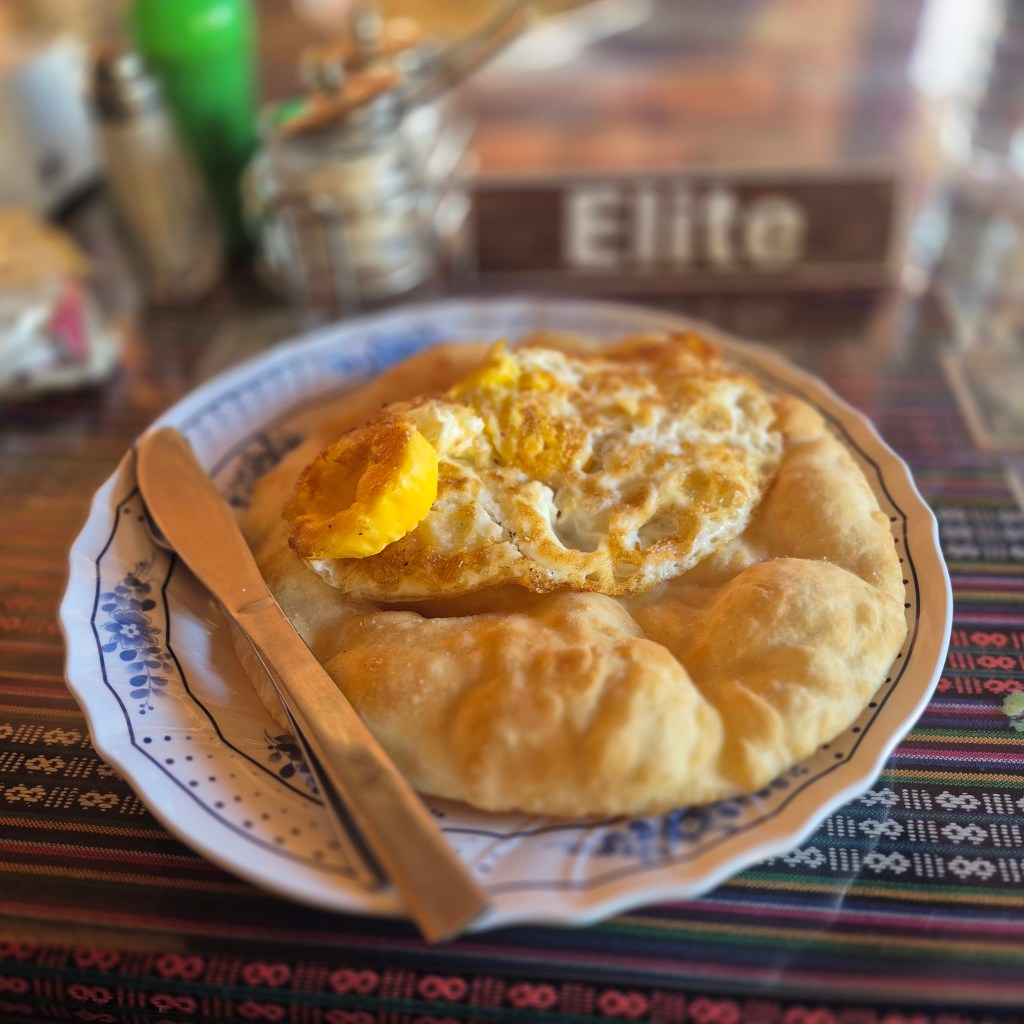
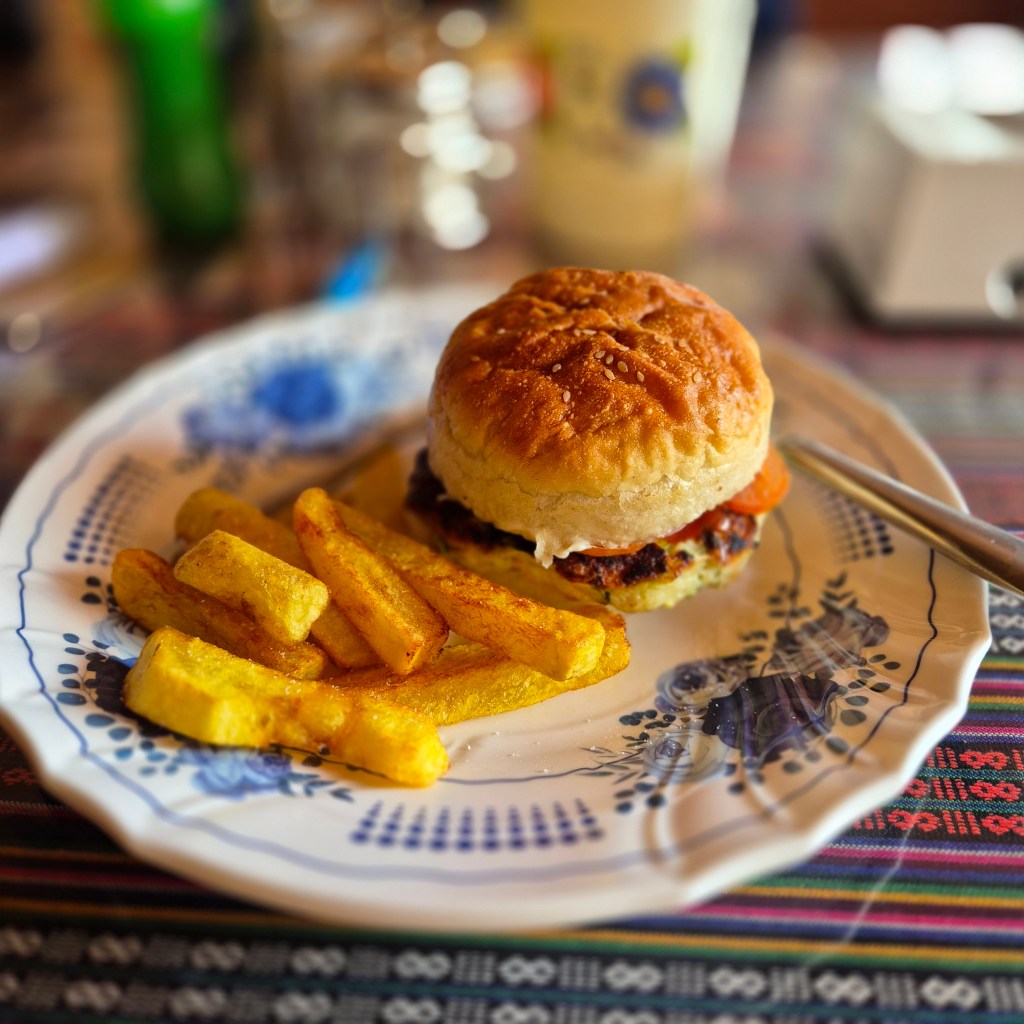
Nepalese teahouses serve hearty, simple food that fuels long days.
Our family favourites included:
- Dal bhat – the Himalayan powerhouse (“Dal bhat power, 24 hour!”)
- Veg fried rice or noodles
- Potato pancakes
- Soups
- Porridge
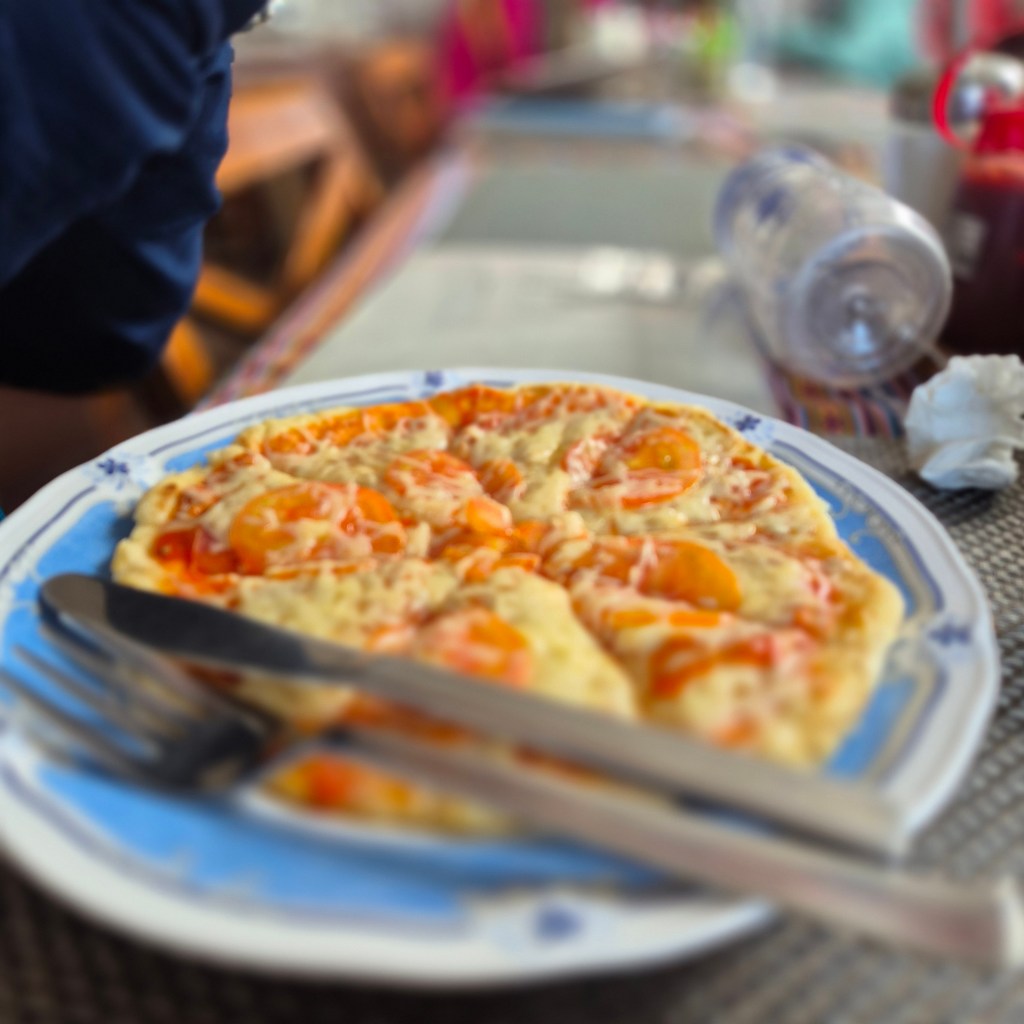
- Pizza
William became a full-blown pizza critic on this trek. Keeping him eating was hard (altitude meant he didn’t want to eat), so pizza was a godsend.
A few golden rules:
- Avoid meat full stop. Some eat it before Namche, but we didn’t risk it. The meat is flown or carried in and refrigeration is minimal.
- Order meals early — you’ll want to sleep early.
- Tea is expensive. Order a jug of boiling water and bring your own teabags. It saved us a fortune.
- Hydrate constantly. We used Water-to-Go bottles, which gave us safe drinking water at altitude.
6. Packing and Gear: Don’t Skimp on Layers
Your kit will make or break your comfort.
Unlike the Karakorum, you’ll find shops along the Everest trail, but don’t rely on them for quality — most are cheap knock-offs.
Clothing essentials:
- Moisture-wicking base layers
- Warm mid-layers
- A good down jacket
- Waterproof jacket & trousers
- Gloves, hat, buff
- Stretchy trekking trousers
Footwear:
Only broken-in, high-quality boots. Never new, never cheap.
Sleeping gear:
Four-season sleeping bags. Nights drop well below freezing — even to -20°C at Gorak Shep.
Useful extras:
- UNO or cards
- Snacks from home
- Headtorches for night-time loo trips
👉 Full packing list coming soon.
7. Altitude: Trekking High with Kids
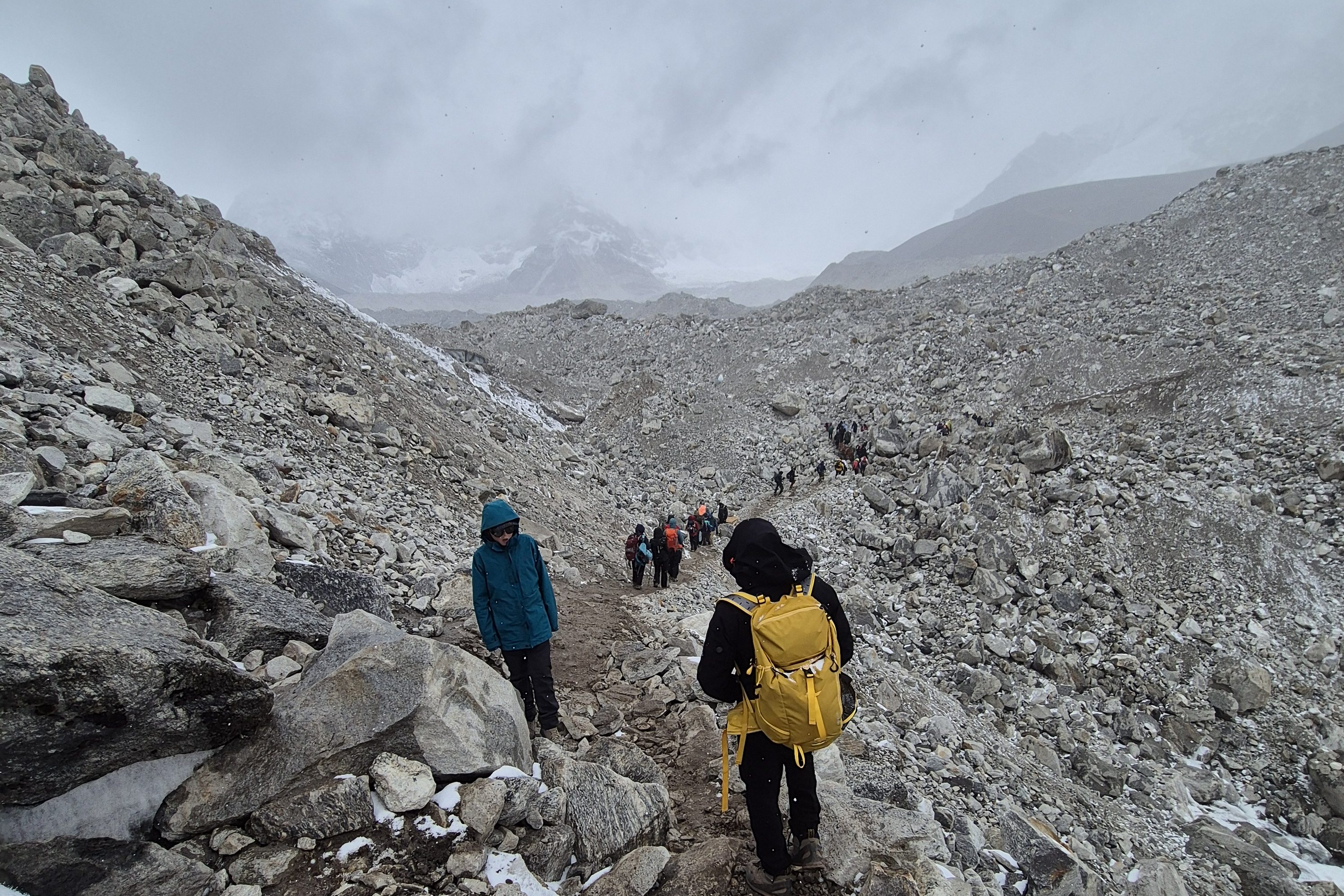
Altitude is the biggest challenge on the Everest Base Camp trek.
Please don’t underestimate it. Kids must be old enough to communicate clearly if they feel unwell — for us, this is non-negotiable.
Social media is full of “youngest to reach X mountain.” Parents taking babies, in our view, is irresponsible. Risk must be discussed and understood by children who are old enough.
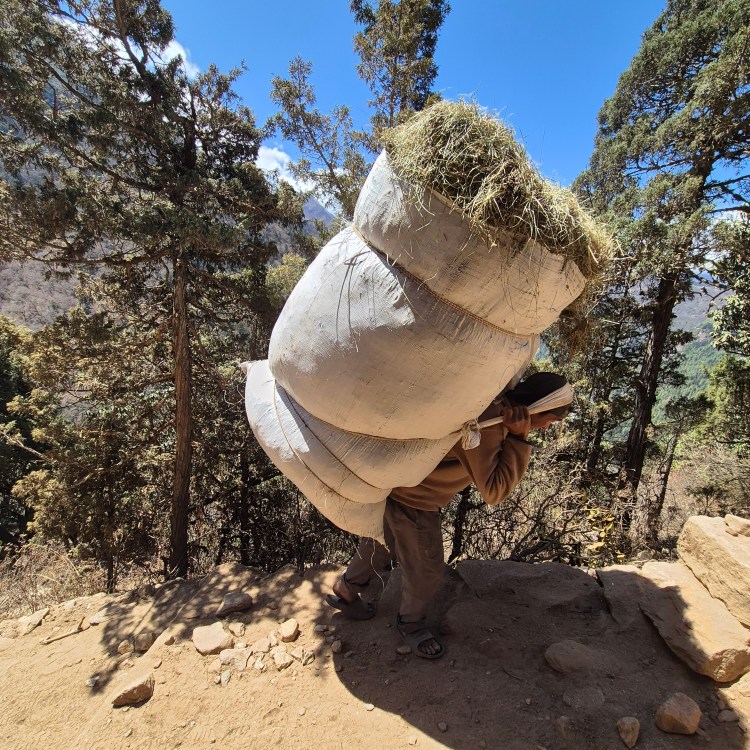
We’ll never forget the moment in Lobuche when a young girl, around Ben’s age, collapsed with severe altitude sickness. Two high-altitude doctors happened to be nearby and looked after her. She was sent down on a porter’s back because the weather meant helicopters couldn’t fly. She was fit — a cross-country runner — and it came out of nowhere. Terrifying and eye-opening.
Key lessons:
- Walk slowly.
- Drink loads of water.
- Take acclimatisation days seriously.
- Sleep low whenever possible.
- Follow your guide’s advice.
- Never push on “just to finish the day.”
Descending isn’t failure — it’s good parenting.
Diamox: Our Honest Experience
Diamox: What You Need to Know About Altitude Sickness Prevention
One of the biggest worries for families hiking to Everest Base Camp is altitude sickness — and with good reason. The air gets thinner quickly once you’re above 3,000 metres, and no amount of gym training can fully prepare your body.
That’s where Diamox (Acetazolamide) often enters the conversation.
Before our trek, we spent hours researching and speaking to doctors and guides. It’s a prescription medication designed to help your body acclimatise more efficiently by increasing breathing rate and stimulating oxygen uptake.
How it works
Diamox acts as a mild diuretic, encouraging your body to expel bicarbonate, which acidifies the blood slightly. This triggers deeper, faster breathing — exactly what you need when oxygen levels drop.
It’s not a cure and doesn’t allow you to ascend faster than your body is ready for, but it can make a real difference.
When and how to take it
Most trekkers start taking Diamox one day before reaching altitude — often beginning in Kathmandu or Lukla.
Typical adult dosage: 125 mg twice daily, though this varies by person.
Side effects are common but usually mild: tingling fingers/toes, metallic taste, frequent urination.
Our experience
We’ve used Diamox in Kyrgyzstan, Pakistan, and on the way to EBC.
After consulting a travel doctor, we all took it as a preventative measure.
The boys were on a half dose (quarter tablet), and we were on the full dose (half tablet).
We paired it with a slow and steady approach and acclimatisation days in Namche and Dingboche.
Did it work? It seemed to — but it could also simply be that we took things slow.
Key tips
- Consult a doctor before travelling.
- Test it before the trek.
- Don’t rely on it alone.
- Know the symptoms of altitude sickness.
Taking Diamox is a personal choice. Some use it, some don’t. For us, it was a safety net.
8. Training: Building Trek-Ready Kids
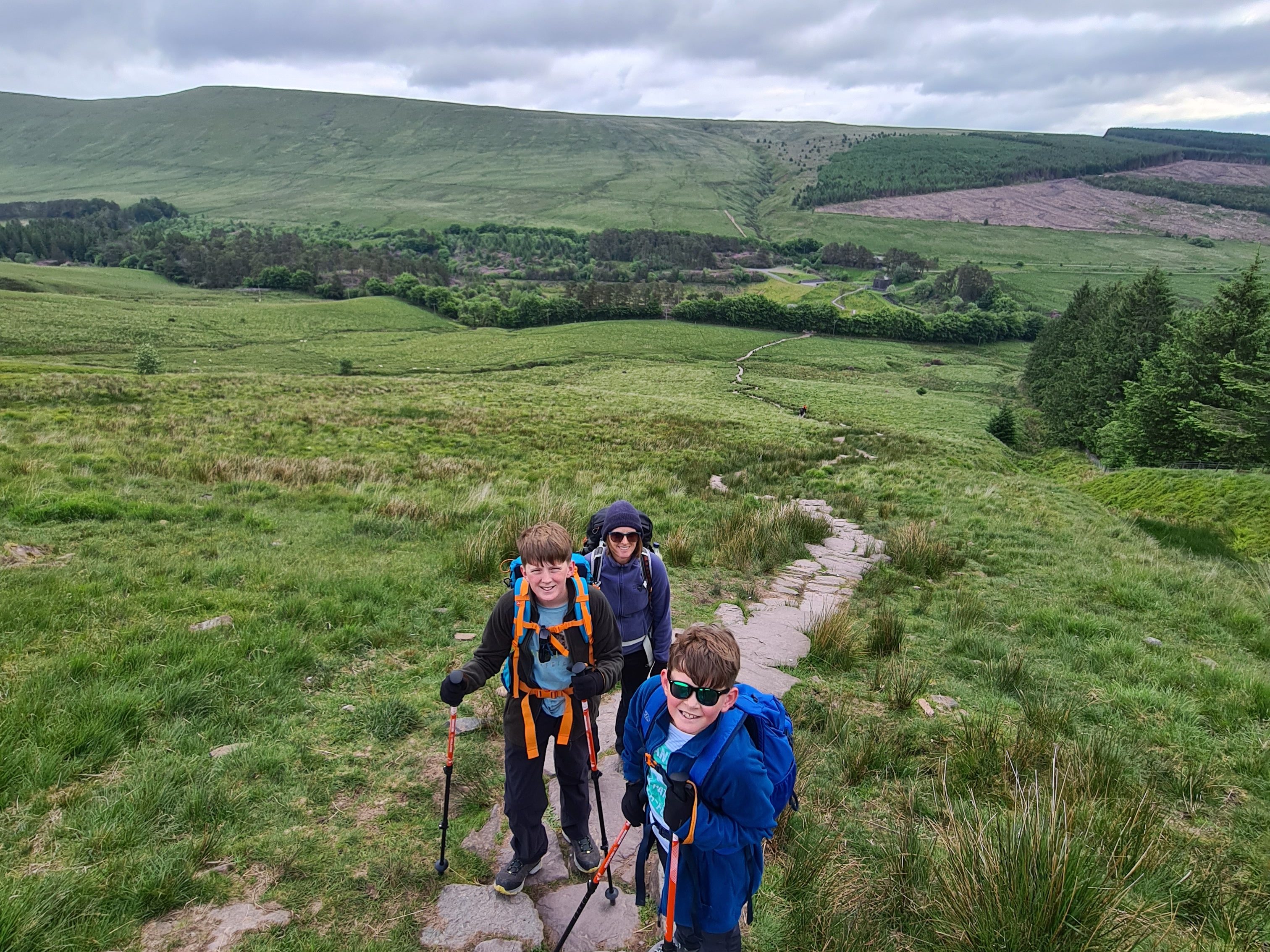
We spent months training, balancing work and school life in flat Berkshire.
What helped most:
- Weekend walks (8–12 km)
- Hill repeats
- Small training packs
- Strength sessions (lunges, squats, step-ups)
- Longer hikes in the final month — for us, a 12-hour Scafell Pike challenge
The goal isn’t toughness — it’s comfort and confidence.
Trekking is just one movement repeated thousands of times: step, breathe, smile, repeat.
9. Keeping Kids Happy on the Trail
A happy child walks further — fact.
We used:
- Daily “missions”
- Letting kids set the pace sometimes
- Giving them jobs (snacks, checking distances)
- A small treat each day
- Lots of stops to explore
Kids remember the adventure, not the altitude.
10. Safety, Health and Hygiene
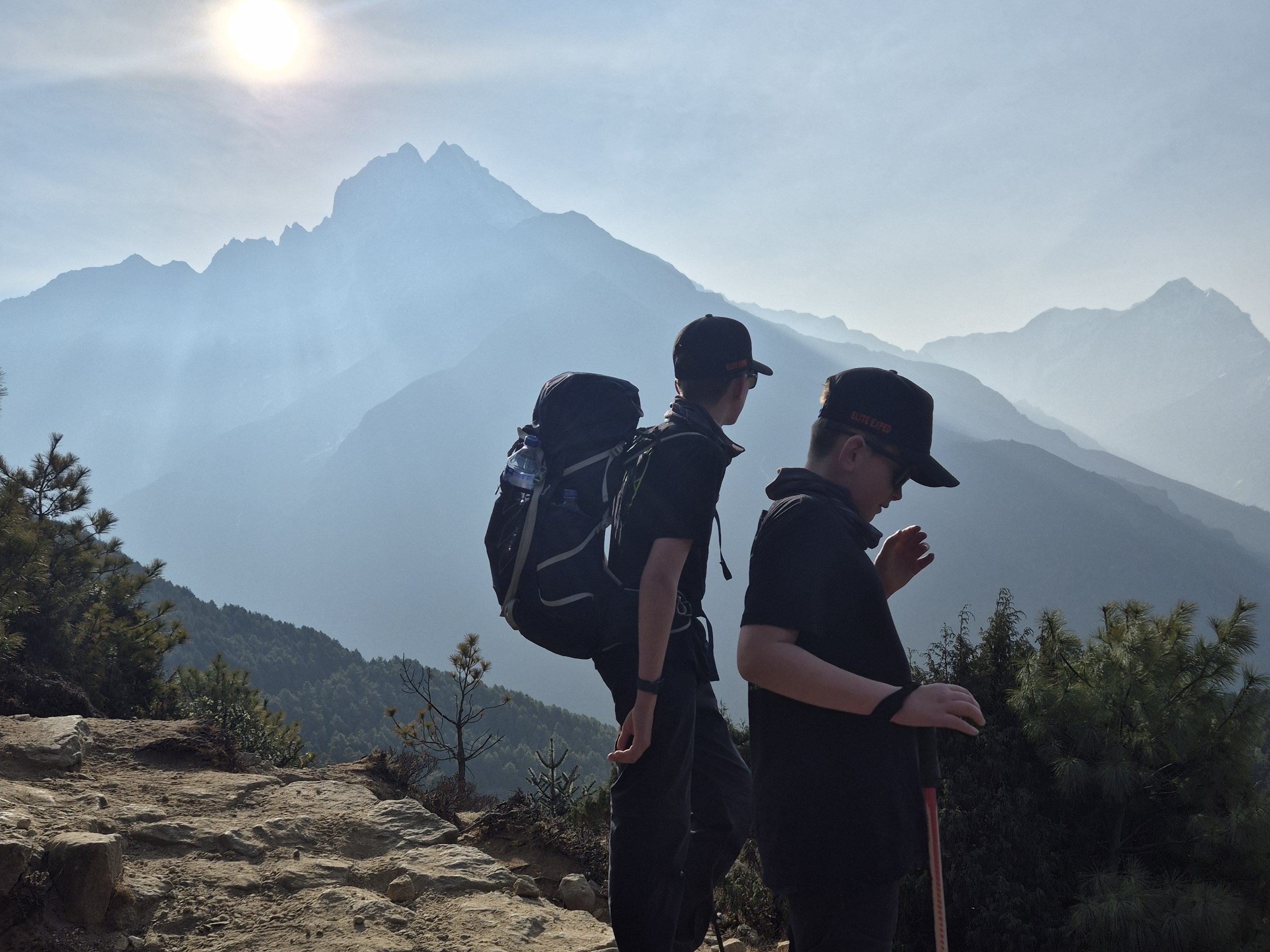
Your guides are your mountain family. Listen to them.
Keep things simple:
- Wash hands/sanitise before meals
- Drink only boiled or filtered water
- Wear sun cream and hats
- Go to bed early, start early
- Respect altitude advice
- Carry child-appropriate medicines
The Everest trail is safe when walked with common sense and respect.

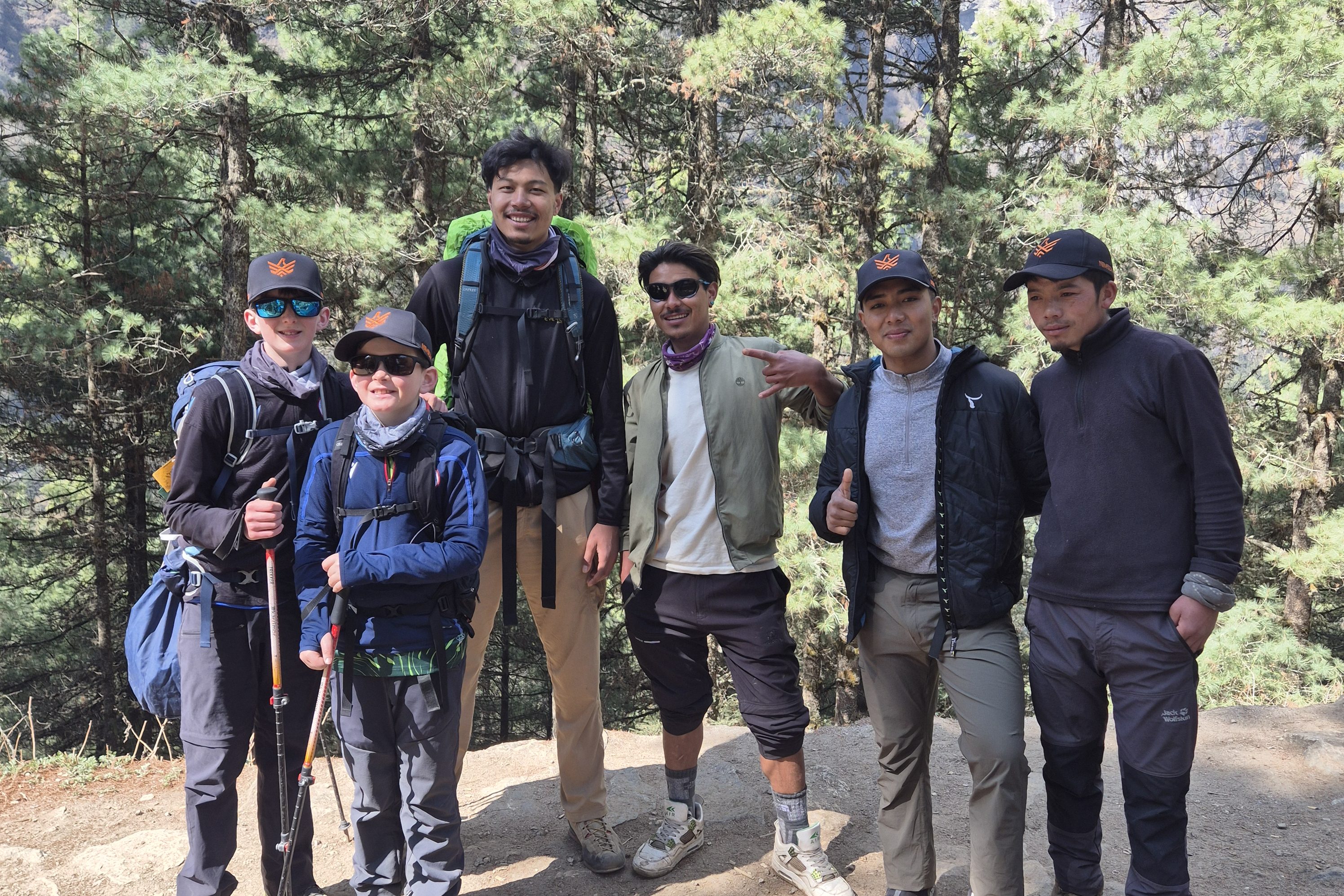
11. Meeting the People of the Khumbu
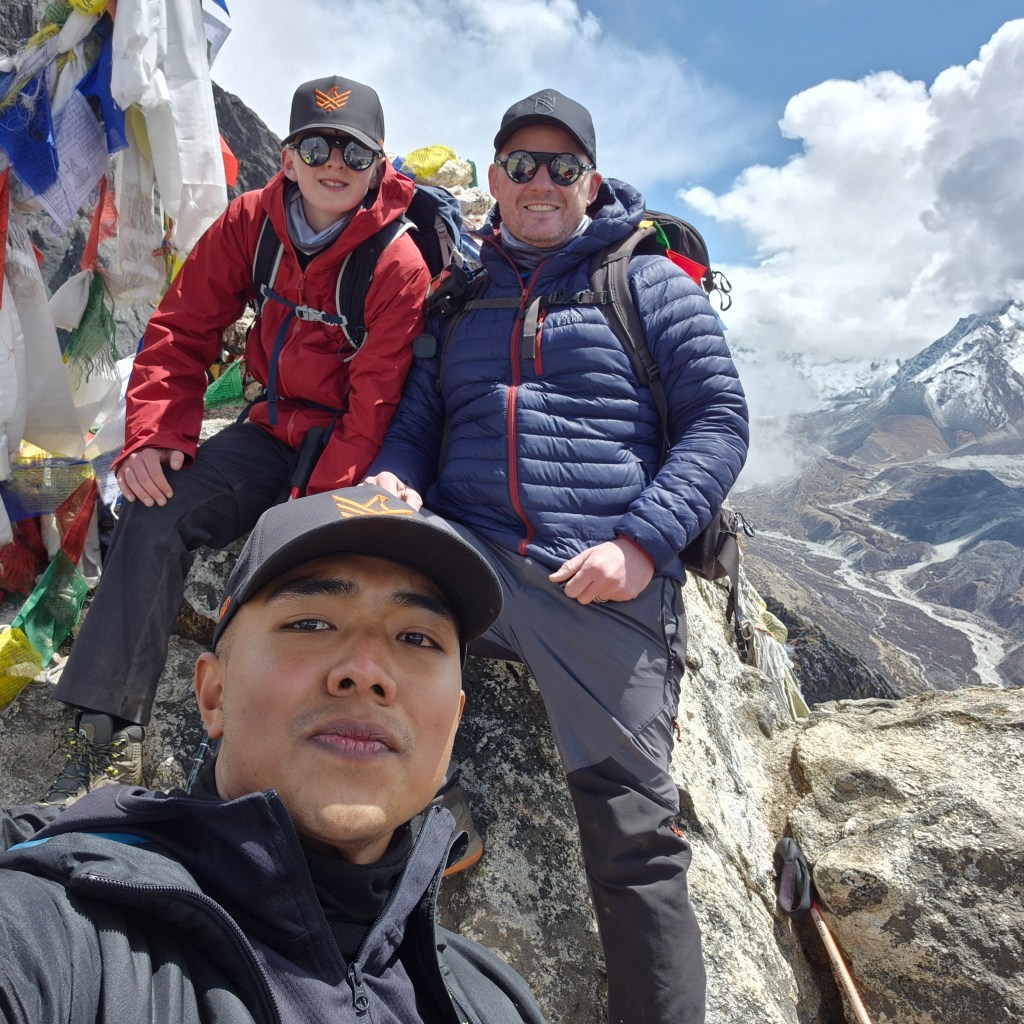
This trek is as much about people as peaks.
Your children will learn more from the Sherpa community than from any classroom.
They’ll see:
- Monks chanting at Tengboche
- Farmers tending potatoes on terraces
- Yak herders guiding caravans
- Children playing football with string balls
Teach them to say “Namaste,” and the trail will open its heart.

12. Budgeting: What It Really Costs
An EBC family trek isn’t cheap — but it’s unforgettable.
Your money goes towards:
- Flights to Kathmandu
- Lukla flights
- Permits and park fees
- Guides and porters
- Accommodation and meals
- Travel insurance (check altitude + children)
- Snacks, showers, Wi-Fi, charging
- Tips for the team
👉 A full cost breakdown is coming soon.

13. Our Top Family Tips for EBC
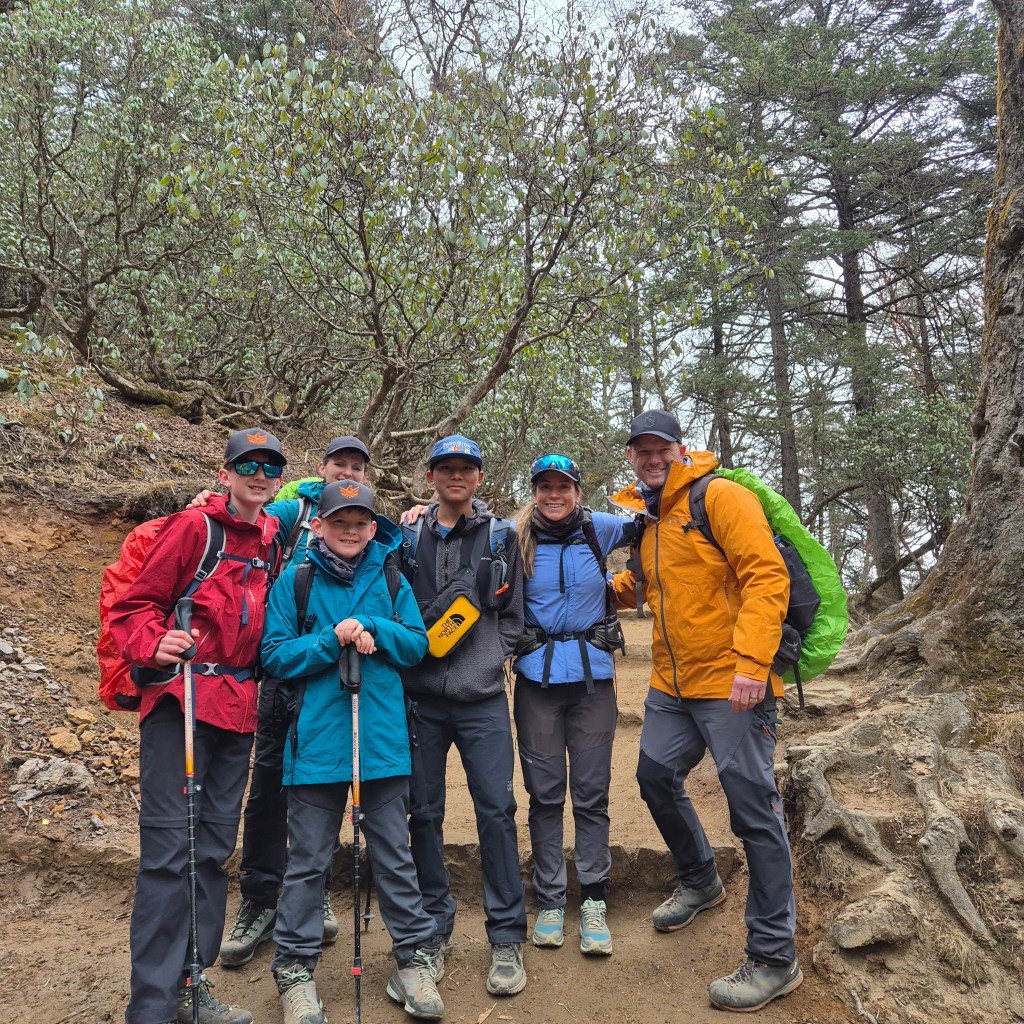
- Walk slowly from the first step.
- Go to bed early.
- Don’t compare your pace to others.
- Keep kids warm before they get cold.
- Give them snacks they love.
- Celebrate each day as a mini victory.
- Trust your guides.
- Enjoy the journey — Base Camp is the cherry, not the cake.
14. Why This Trek Stays With You
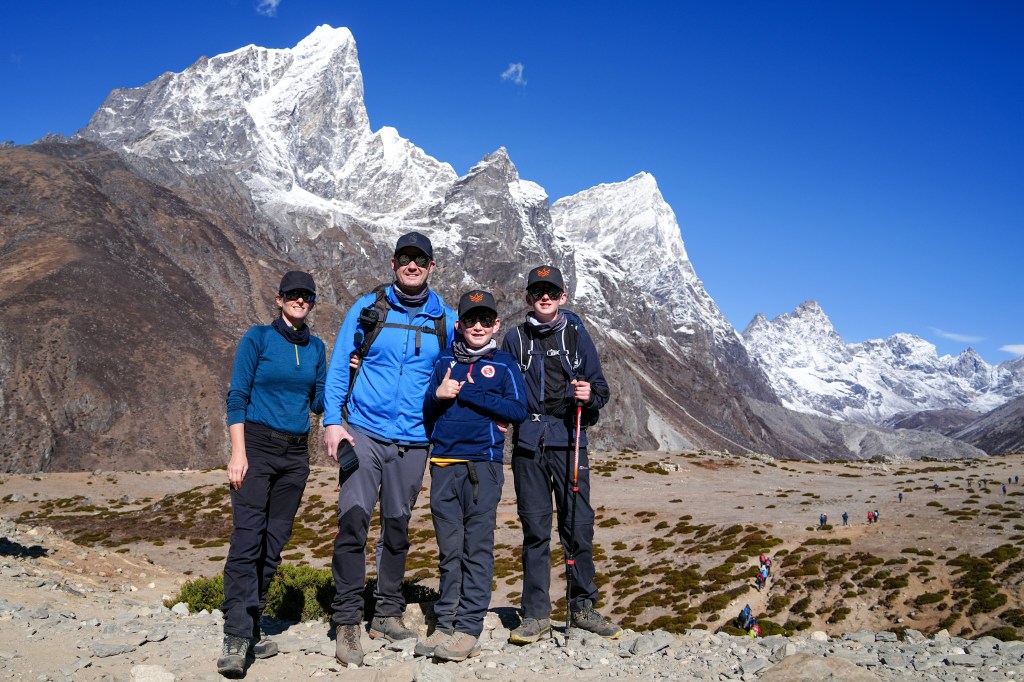
The Himalayas shrink you and lift you at the same time.
Your kids will remember:
- The crunch of ice
- The flutter of prayer flags
- The clang of yak bells in the mist
- That shared moment at 5,364 metres
One day, they’ll say,
“We did Everest. As a family.”
And you’ll know it was all worth it.
Related Reads:
 Family Russell-Smith Travel