This is our story, packed with advice from our unforgettable adventure in the Karakoum. It’s not sugar-coated but it’s real, helpful, and, most importantly, honest. Before we dive in, let us reassure you: this trip was absolutely epic and worth every ounce of effort and hardship. However, it’s no five-star luxury retreat, and being prepared is key.
Setting the Scene: Expect the Unexpected
This is a trek like no other—raw, wild, and remote. While breathtakingly beautiful, it’s also tough, uncomfortable, and humbling. If your expectations lean toward Western standards, it’s time to recalibrate. From accommodation (i.e. tents) to facilities (i.e. toilet tent), everything is basic. Scratch that—very basic.
Let’s talk loos: they’re appalling. Imagine the worst pit toilet you’ve ever seen, multiply it by ten, and then place it in a small tent or out in the open. Sharing “facilities” with sometimes dozens of others (some clearly unwell) was… an experience. We managed, though, because you simply have to. Check out our video, “Doing a Poo with a View,” for more insights on how to make the best of it.
The Adventure vs. the Cost
Make no mistake: this is an expensive trip. But the cost isn’t for plush accommodation or first-class service. While the local teams work hard and often achieve the extraordinary, cooking meals on the side of a glacier, for instance, there are moments when things fall apart. Midway through, our guides ran out of some supplies, leaving us with noodle soup and tinned pineapple for days. Not ideal, but we survived.
Tough Conditions: Living in Tents
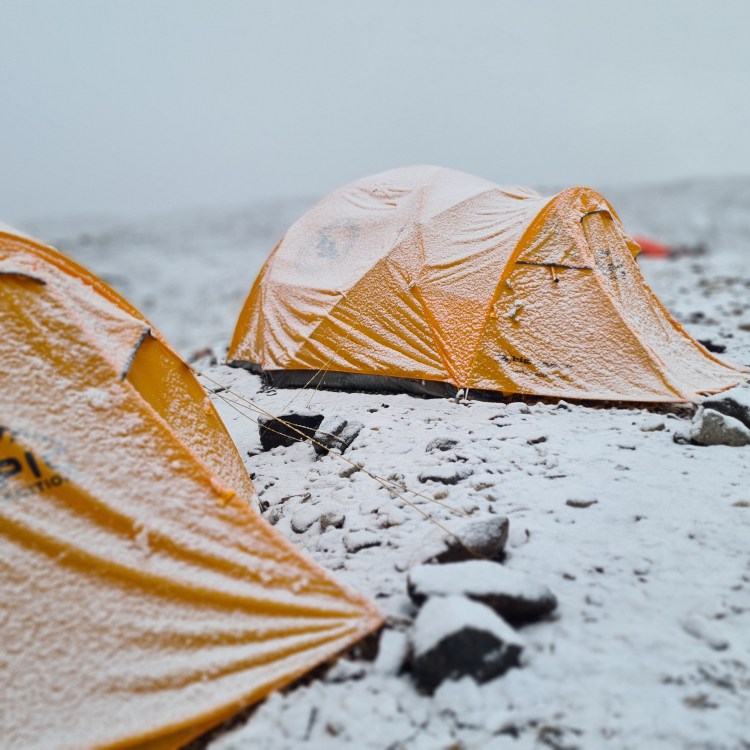
Forget about teahouses or lodges—there aren’t any. For the entire trek, you’ll be living in tents, with no exceptions. It’s a humbling experience to be so exposed to the wilderness and to realise just how vulnerable you are in the face of nature. The stark simplicity of it all, however, is part of the beauty.
Porters: Unsung Heroes
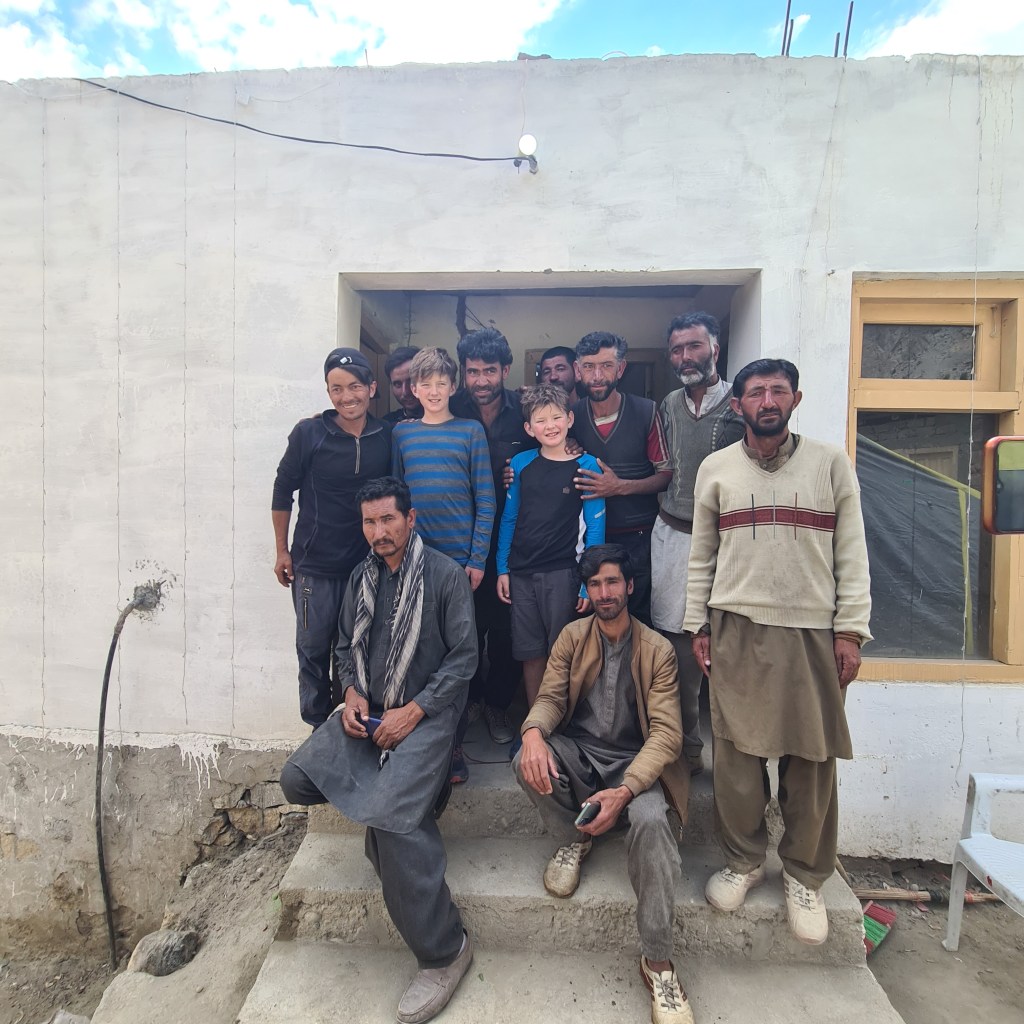
The porters are incredible, carrying immense loads across harsh terrain. Yet, their conditions are often heartbreaking. Many have minimal shelter (often just a tarp) and inadequate clothing for the extreme weather. Even with companies claiming to pay better wages and provide better treatment, standards are low. It’s something to be aware of and reflect upon as you trek.
Mental Preparation: Brace Yourself
This is widely regarded as one of the toughest hikes out there. Even our team of porters doubted us, taking bets on how long we’d last. The first few days were punishing, with scorching heat and relentless sun. Bring umbrellas (yes, really!) We saw groups using them for shade and were incredibly jealous. They’re a must for the early days.
As you ascend, the heat gives way to freezing temperatures. Prepare for the cold with layers (more on this below). Our most miserable days were in sleet and rain, with no shelters in sight. It’s all part of the challenge, but mentally preparing for these moments is essential.
Physical Preparation: Train, Train, Train
We spent six months training for this trek while juggling life as teachers and school children in flat South East England. Our routine included:
- Strength Training: Squats, lunges, push-ups, and planks, three times a week.
Cardio and Yoga: Weekly boxercise and occasional yoga sessions. - Hiking: Local hikes every other week, and in the month before we headed out on some hikes in a wales and a (purposely) gruelling 12-hour trek up Scafell Pike two weeks before departure.
- If possible, train at altitude. Living in England, this wasn’t an option for us, so we hoped for the best. Altitude sickness can strike anyone, and preparation is key.
Talking of Altitude…
Consider the use of Diamox – Our biggest concern before the hike was altitude sickness. The horror stories of people being forced to turn back were unsettling, especially since we were hiking with the boys. On a previous trip to Kyrgyzstan, we’d gotten Diamox as a precaution but hadn’t done enough research at the time. We mistakenly thought they were a cure, not realising they’re meant to be taken preventatively before reaching altitude.
This time, we were better prepared. We sourced Diamox at a lower cost in Slovakia, though they can be ordered through travel doctors in the UK (don’t expect them to know much about it). With advice from Gavin Bate of Adventure Alternative, we learned that Diamox is considered safe for children. Originally developed for epilepsy in kids, it’s now widely used for altitude sickness.
We started taking it the day before leaving Islamabad, with the boys taking a ¼ dose and us taking ½ dose each morning until reaching G1/2 Base Camp. Be warned: it can cause unusual side effects like numbness in the face and painful pins and needles in the hands and feet, sometimes lasting an hour.
Did it work? For us, it seemed to. None of us experienced any altitude sickness, even though Martina often struggles with headaches and fatigue at high altitudes in the past. However, they’re not a one-size-fits-all solution. Chris from Epic Expeditions (our trekking company for this trip) mentioned that he stopped using Diamox due to intolerable side effects. Please remember this is our experience. Realy REALLY make sure you get medical advice for you and your children before using.
Gear and Packing: Don’t Skimp
Layers: Essential for the mountains. One minute, you’re bundled up against snow and wind; the next, you’re hiking in shorts and a T-shirt. Bring a backpack with room for water, snacks, and layers. We adults carried 50-litre packs to accommodate gear for our kids, who carried only their light essentials.
Water: Hydration is crucial, especially in the first week when the heat is intense. We relied on Water-to-Go bottles for filtering and Osprey Hydraulics reservoirs for storage. They were lifesavers when clean water sources were scarce. Check out out kit list advice were we go on a lot about water.
Gut Health: Mountain hygiene isn’t great, and stomach bugs are common. Prepare your gut with a healthy, probiotic-rich diet before the trip. Bring antibiotics (ideally sourced in Islamabad or similar) and rehydration tablets like Nuun to stay energised.
Check out our full kit list for more gear advice!
Travel with Kids: Know Your Limits
This trek isn’t for every family. Our boys have been hiking for years and are accustomed to long days in tough conditions. They’ve even tackled high-altitude adventures before. If your kids aren’t seasoned hikers, this isn’t the trip to break them in. Start small and build their resilience before considering a challenge like this.
Insurance: Essential and Specific
Comprehensive insurance that covers trekking above 5,000 metres is a must. We used Big Cat Travel Insurance for general coverage and Global Rescue for high-altitude evacuation. Be aware, though: not all policies cover children under 16 at extreme altitudes, so double-check before you buy.
Final Thoughts
This trek was extraordinary, challenging, and completely unforgettable. It pushed us to our limits and gave us memories we’ll treasure forever. But preparation is everything—physically, mentally, and logistically. Slumming it in the wilderness may not sound glamorous, but the rewards are beyond measure.
So pack wisely, train hard, and embrace the adventure. We promise, it’s worth it.
 Family Russell-Smith Travel