Our experience trekking to K2 last year gave us confidence in our lightweight packing strategy. We had meticulously researched and felt prepared after last year. However, our journey to Everest Base Camp threw a curveball. The flight into Lukla imposed a strict 15kg per person weight limit (a significant 20kg between us less than our K2 trip!), forcing us to make some serious sacrifices and re-evaluate what truly constitutes an “essential.”
Below is the comprehensive list of what we packed, complete with notes on what worked and what we’d change next time. One of our biggest hurdles was finding high-quality, durable gear that could endure the harsh mountain environment without breaking the bank. It was even more challenging to find suitable products for the boys that fit well and were truly appropriate for the trip.
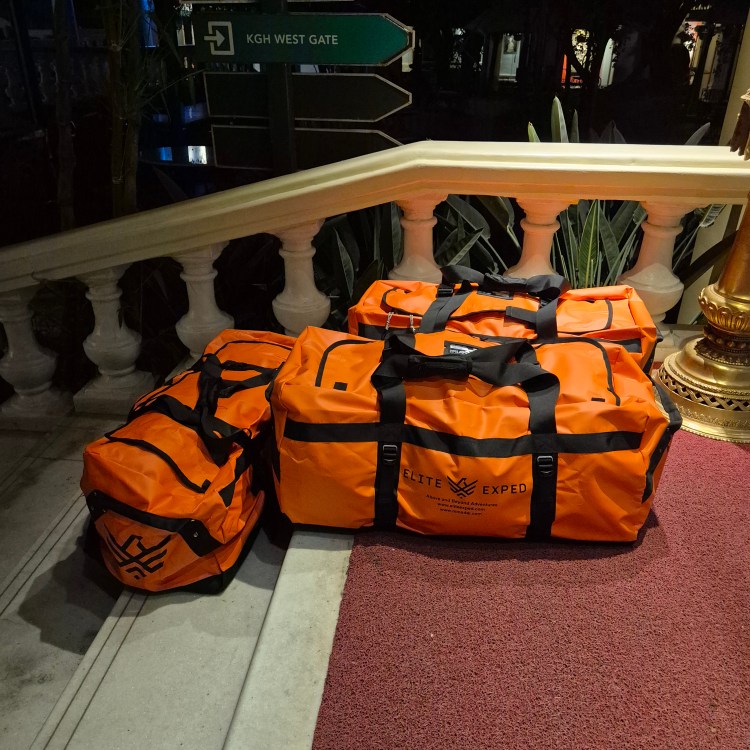
Expedition duffel bag
We discovered on our K2 trip that backpacks were a nightmare for porters and not weatherproof, forcing us to awkwardly line them with huge plastic bags daily which was a complete pain in the preverbal ass. Luckly for us Elite Exped provided us with four duffel bags for the trip. We now have these ready to go for the next trip.
Pro Tip: Stick with one duffle bag per adult and one between the two children for this trip. The 120L Duffels worked well but weigh 3kg each taking 9kg of our total 60kg so taking just the 3 saved us 3kg. and the large size made packing and unpacking everyday a breeze.
Day trekking backpack with rain cover
For our the long day of hikes, keeping the kids packs light is crucial. After thorough research, and testing on our way to K2 Osprey backpacks are our go to bags. Ben and Will comfortably carried their essentials in the Osprey Talon 22. Martina utilised the women’s-specific Talon 33, while John opted for the larger Volt 45 to accommodate extra water and equipment (which you need when hiking with kids). The bags have now done 6 weeks of high altitude mountain hiking and look as good as they did on day one and continue to provide the necessary space and comfort for our family’s hiking excursions.
Sleeping bags
Our family already had sleeping bags from our previous trips: the boys used OEX youth bags, Martina has a Rab, and John has a Marmot. All our bags offer a -15°C comfort rating, which, paired with thermals and a fleece, kept us cozy even on the chilliest nights of -22°C.
Fleece sleeping bag liners
It gets very very cold in the mountains (even in the Tea houses as there is no heating) we brought along our lightweight fleece liners for our sleeping bags. These were handy during the warmer first days, providing extra comfort, and became an essential luxury when nighttime temperatures plunged at higher altitudes.

Water bottles
We can’t understate the importance of clean water with water being the most essential item you’ll pack and clean, safe water is a must throughout your trip. The temperatures are not too high on this trek but staying hydrated helps with counteracting the effects of altitude sickness. We swear by Water-to-Go bottles, trusted for over 10 years to keep us safe. We also hugely reduced or plastic bottle usage making our trip that little bit more sustainable. Check out our full review here!
Non filtration bottle for energy tablets
As it is essential to stay hydrated, it is also essential you keep topped up with salts, minerals and electrolytes. So another essential was an empty 2L bottle. We used it to mix filtered water with Nuun tablets, which add flavour, electrolytes, and a boost. The difference was noticeable, as within minutes, the boys and we felt re-energised. These tablets helped replace lost salts and kept us hydrated on those long, challenging trail days. On EBC day we used extra as the cold and altitude took their toll on our energy levels.
Trekking poles
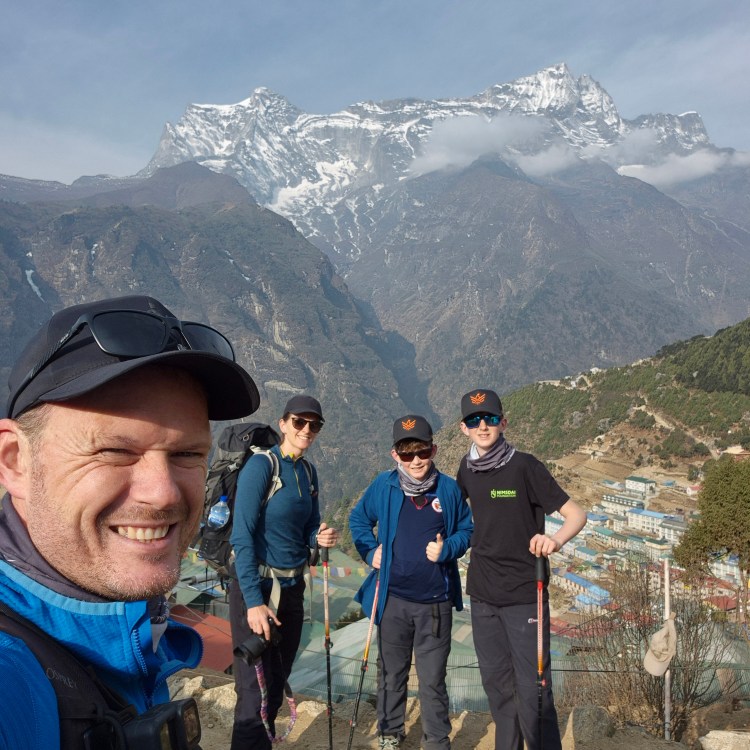
Trekking poles often get rave reviews, but we’re not entirely convinced. For the boys, they can often be more of a distraction, slowing them down as they focused on placement rather than walking. That said, this trip we used them more than ever for some reason and a single pole each proved helpful for balance and added security.
Hiking boots
For us, choosing a boot brand was simple and we’ve been loyal Scarpa users for years. Martina stuck with her trusty Zodiacs and John also switched back to Zodiacs after using Mescalito boots for K2. He found them super comfortable with great ankle support and excellent grip but the harsh conditions took a toll on the Mescalito and after just two weeks, they were in such bad shape that glue was needed for repairs. Returning back to reliable Zodiacs was the right choice for the EBC trail with them being hardy and able to take take the toll of his 90kg frame and the harsh mountain conditions.
Finding hiking boots for the boys has always been a challenge. High-quality options in child sizes are either too expensive (not ideal on a budget) or too flimsy with our past experiences seeing cheaper pairs ruined after a single weekend on Ben Nevis.
Thankfully, the boys are now big enough for adult sizes. William wore size 4 women’s Scarpa boots, while Ben used Scarpa Rush boots. Both provided excellent comfort, ankle support, and grip, even on snowy trails and have so far done well in the harsh Karakoum and the EBC trail. .

Day/Camp shoes
Around the tea houses you’ll want something more comfortable than hiking boots but still sturdy enough for rocks and snow,. Any hiking shoe or cross-training trainer will do the job. John uses the Salomon Speedcross trainers, while Martina uses Scarpa Rush cross trainers. The boys stuck with basic hiking shoes from Karrimor, cheap, cheerful, and perfect for those relaxing evenings in the Tea houses.
Dry bags.
As we have found on numinous occasions these are a must a we say… GET THEM AND GET LOTS!! Dry bags are super essential and useful. Make sure you get different sizes from small to BIG. We used Sea to Summit bags and they did a great job both on EBC and in the Karkoum. They have lasted well and still look almost as new as when we first used them.
Sun glasses
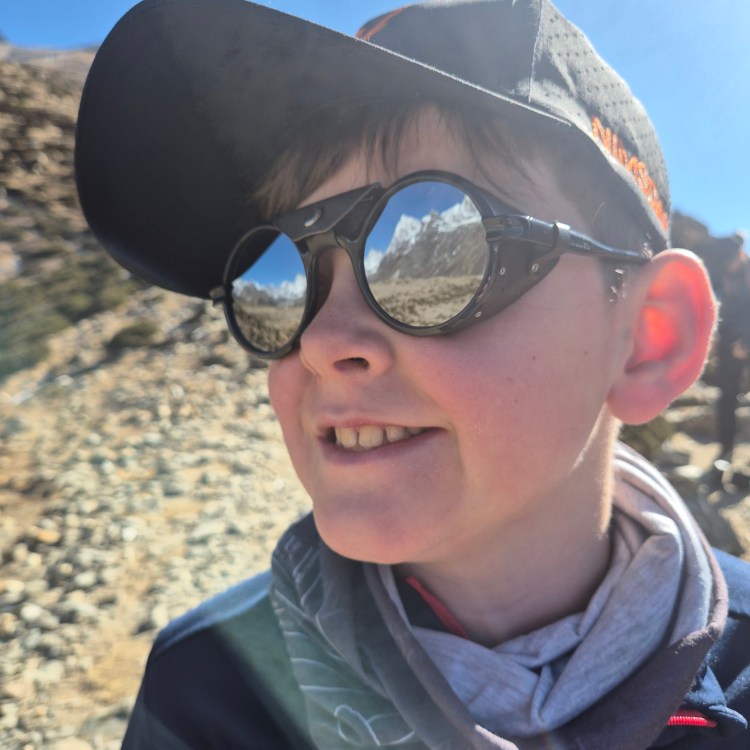
For this trip in the mountain you really need two pairs of sunglasses! sounds excessive but we will explain below.
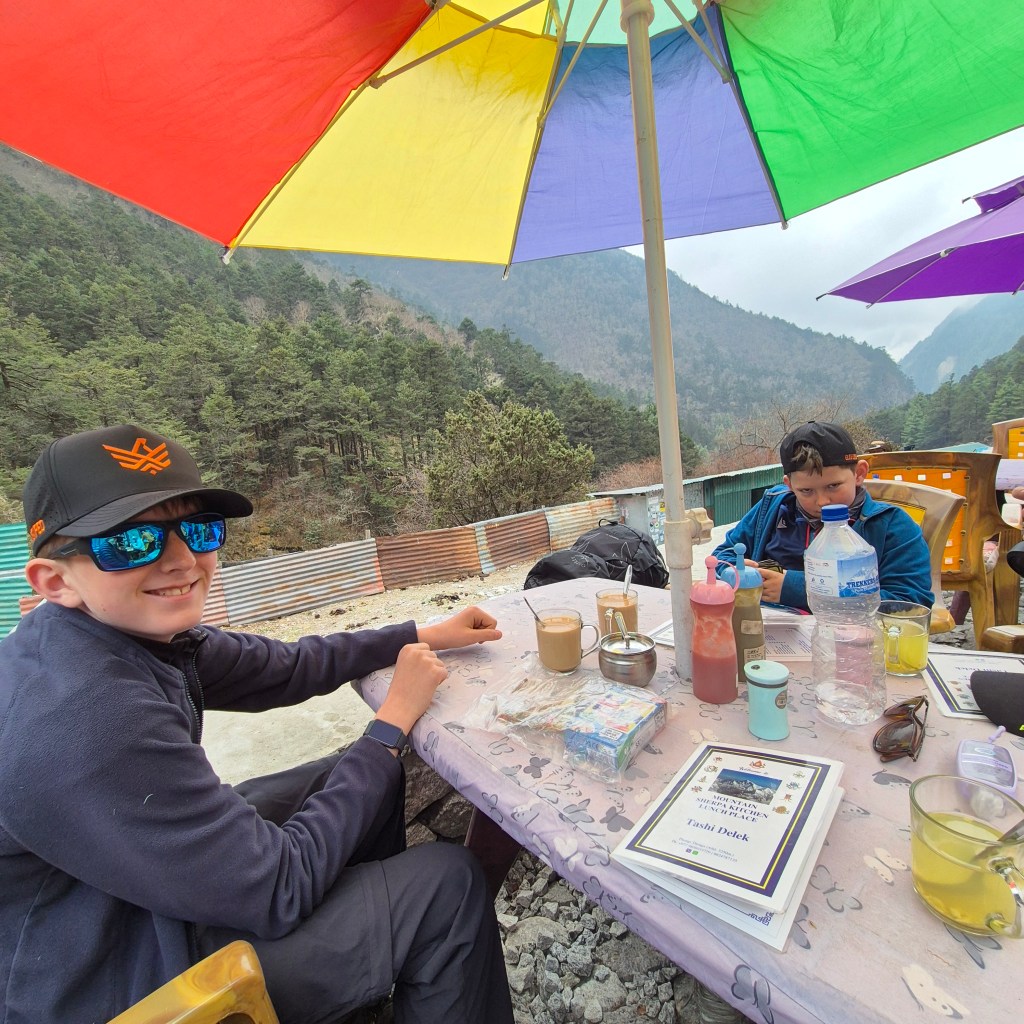
The first pair is straightforward: a good, polarized set. They don’t need to be expensive. John and the boys swear by Duco glasses from Amazon (Approx £30), which have served them well on many trips. Martina, on the other hand, prefers her trusty Ray-Bans (very boujee).
The second pair might feel like a luxury but are absolutely essential to avoid snow blindness or sunburned eyes, issues we saw firsthand when one of our porters suffered badly in Pakistan. These are glacier glasses, a must as soon as you hit snow and sun, which happens often above 4000m. Don’t skimp here as it’s not worth the risk. We choose Vallon Heron Glacier glasses. While the look may not win awards, the protection is unbeatable, and your eyes will thank you every time you put them on.
Power banks
So on the whole we did not use these too much but the higher up you get the less options there are for charging. This is not great when you are cold (so loose power quickly) and not far from your goal of EBC. For the past two trips we have been using power banks from Amazon, which worked well but only really any good for if you have no access to charging for two days (at a push).
Mobile phone
We brought a phone mainly for its camera. and access to the internet via WIFI. We were quite surprised that up until the last two porter houses the WIFI was strong and free. We did pay for it one time near the top and it was pretty crappy (as you would expect). There is a $100 option for Everest WIFI but unless you staying up here for months (i.e. climbing) its not worth it. We also had a local SIM card thjat pretty much stopped working once we left Lukla.
Lip balm
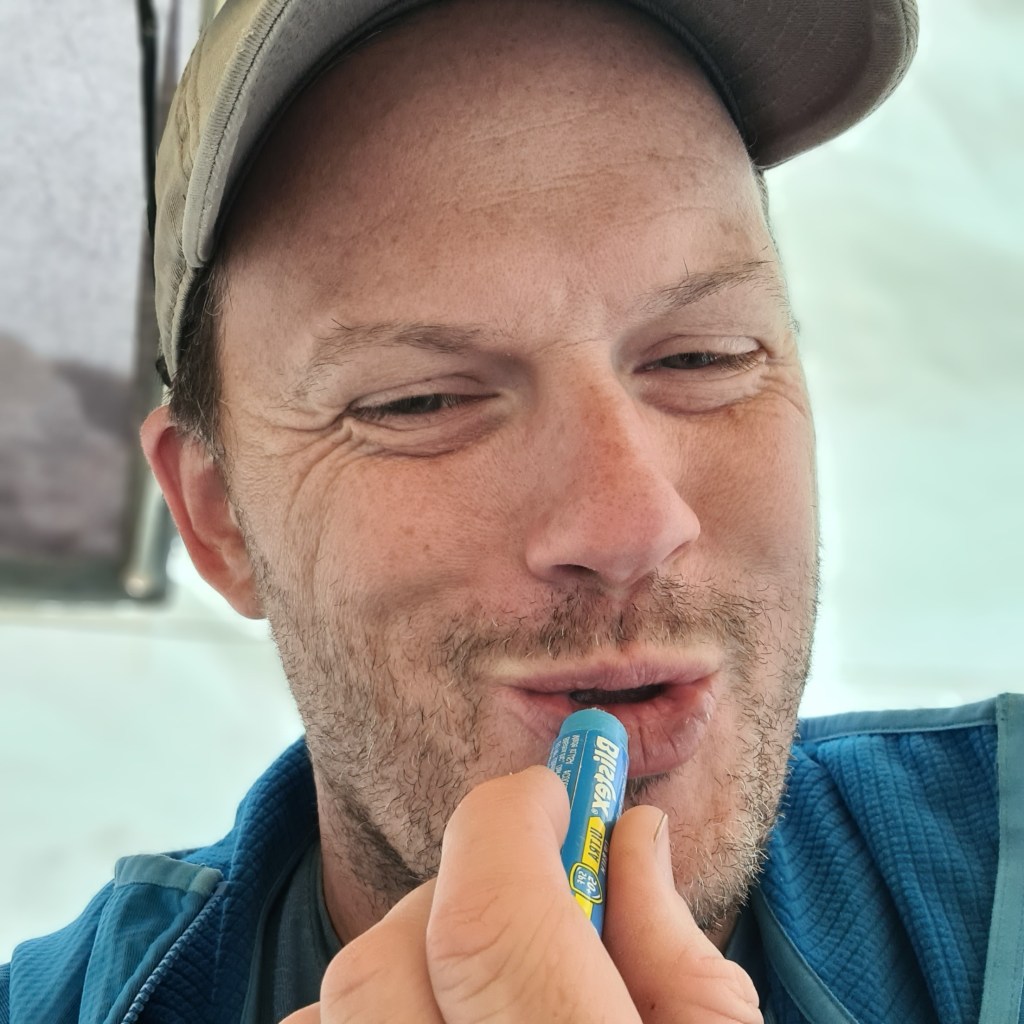
Another must-have. Your lips are constantly exposed to sun, wind, and cold. Choose a balm with SPF 50+ to protect against strong UV rays and harsh mountain weather.
Suncream
Absolutely essential. The sun is intense, even in Spring so cover up and apply plenty of sunscreen. We recommend Ultrasun Extreme Factor 50 it’s not cheap but worth every penny. Non-greasy, quick-absorbing, long-lasting, and sweat-resistant, it feels more like a moisturizing cream than regular sunscreen.
WET WIPES
An absolute comfort lifesaver and essential for two reasons:
- When washing wasn’t an option (which happens after day 4, a quick wipe-down each morning or post-hike made us feel 5% better, which in the mountains felt like a 500% improvement.
- They were invaluable during bouts of illness (less so a problem this trip), helping us stay clean in less-than-ideal conditions.
Wet wipes also came in handy for cleaning dusty tables and hands. No parent travels without them, and this trip was no exception!
Hand sanitiser
We were super impressed with the hygiene and cleanliness on the EBC trail. We were told to expect very poor conditions but to be honest they were pretty good (maybe we are too used to slumming it). However on the trail as before animal feces are everywhere, and you’ll often come across human waste too. Avoiding illness is critical and it’s no fun being unwell out here in the mountains (we found that out last time). This time it was not stomach bugs that were the issue this time but coughs that seemed to spread like wildfire through the Tea houses (the deaded Khumbu Cough). Martina in particular caught this bad. We are not sure if sanitiser stopped the rest of us catching it so bad but it cant not have helped and we did not get any stomach illness the whole time we were in Nepal. Make sure you bring enough supplies for regular, daily use to give yourself the best chance of staying healthy.
First aid kit (personal)
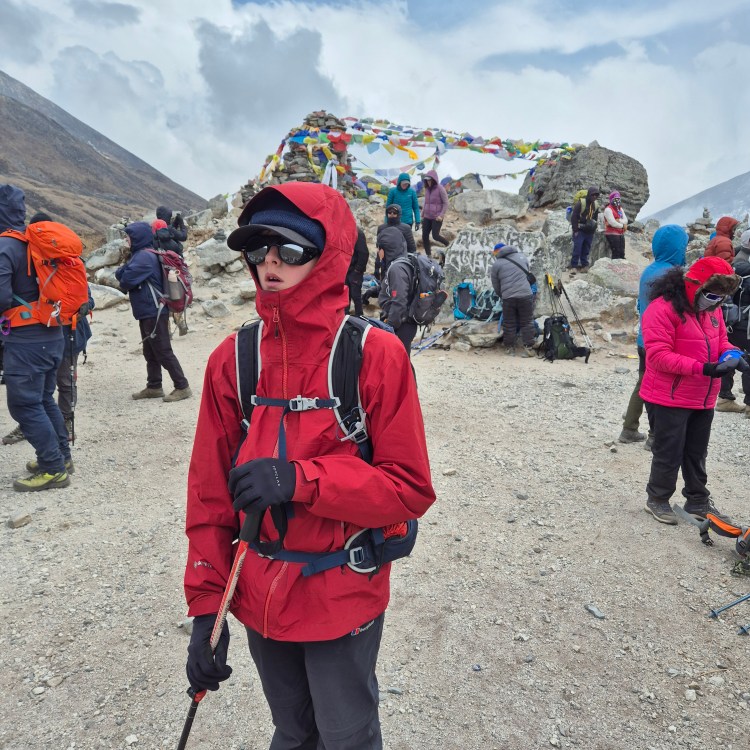
We packed one comprehensive first-aid kit for all four of us. While reputable trekking companies should carry a decent kit, it’s vital to have your own as a backup. Ours included the basics (plasters, bandages, slings, etc.) and a good stock of medications (paracetamol, ibuprofen, sore throat spray, lozenges, and cough syrup). You’ll likely use these, so come prepared.
We also recommend bringing antibiotics and ideally, multiple types. In the UK, these aren’t available without a prescription, so we stock up in countries where they are. After learning about them last time we made sure we had different types for different illnesses
If possible, buy antibiotics in Kathmandu before heading into the mountains but you can also buy them in Namche Bazar (be it for a higher price). Hopefully, you won’t need them, but they can make the difference between completing the hike or turning back if you encounter a parasite or other illness. See full first aid list at bottom of this page.
Diomox
Our biggest concern before starting this project hike was altitude sickness. We have come to learn this is not something you want to take lightly and especially with children. We witnessed a vey scarry moment where a 12 year old Scottish girl suddenly went from being OK to very ill in a matter of minutes in Lobuche (4,940 meters). Luckily for her there were high altitude research team on site who put her on oxygen instantly and sent her down the mountain on horseback (we heard the next day she was doing well but it was scary to witness and a reminder how carful you need to be.
On a previous trip to Kyrgyzstan, we’d got Diamox as a precaution but hadn’t done enough research at the time. We mistakenly thought they were a cure, not realising they’re meant to be taken preventatively before reaching altitude.
This time (like in Pakistan), we were prepared. We sourced Diamox at a lower cost in Slovakia, though they can be ordered through travel doctors in the UK (don’t expect them to know much about it). Before we headed out to Pakistan we had taken a lot of advice on its use and got some great advice from Gavin Bate of Adventure Alternative where we learned that Diamox is considered safe for children as it was originally developed for epilepsy in kids, but is now widely used for altitude sickness.
We started taking it the day we left Kathmandu, with the boys taking a ¼ dose and the adults taking ½ dose each morning until reaching EBC. Be warned: it can cause unusual side effects like numbness in the face and painful pins and needles in the hands and feet, sometimes lasting an hour.
Did it work? For us, it seemed to. None of us experienced any major altitude sickness, even though Martina often struggles with headaches and fatigue at high altitudes in the past. However both Martina and William did stop wanting to eat over 4000m which is a mild sign of altitude sickness. Diamox are not a one-size-fits-all solution and please make sure you take medical advice and do your own research and make the choice for your family.
Our advice: do your own thorough research and consult both a medical professional and a mountaineering expert before deciding. Diamox worked for us, but it might not be the right choice for everyone.
Travel towel
Quick-dry towels are easy to find and affordable. Some people opt for tiny flannel-sized ones, but that’s overkill. Lightweight and compact, larger, normal-sized towels are much more practical. We get ours from Decathlon where they are durable and have lasted us for years.
Snacks
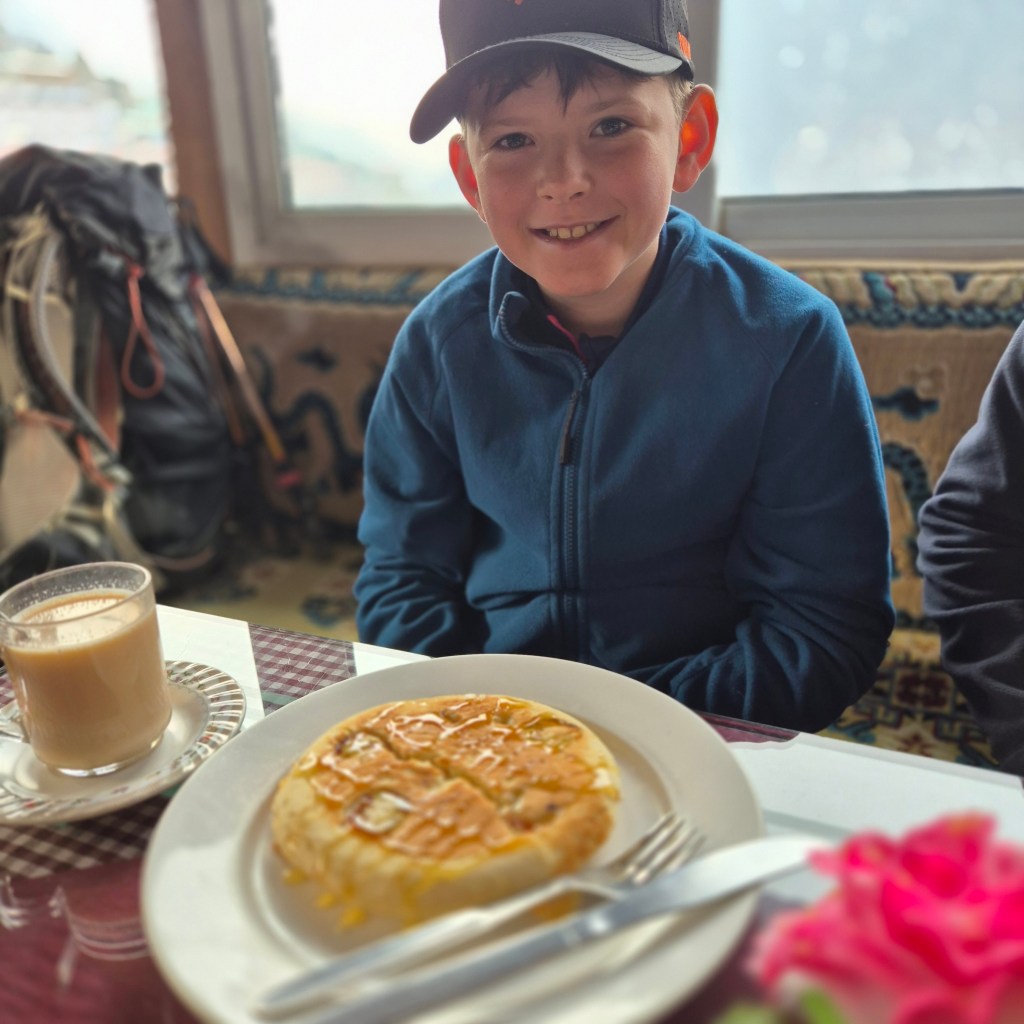
So this was an interesting debate we had with ourselves pre trip and packing. On the face of it you want snacks although we did have three full sized meals a day snacks were somthing we had to provide for ourselves. We took a few chocolate bars but did not really need to as you can buy everything you need all the way. You would expect that the higher you got the more expensive it got (and as a general rule that is correct) but be aware that you can still be ripped off as we were. We found the best and cheapest place to buy snacks was Namche and Lukla. In between they seemed to up the price as we got stung buying most of our snacks at a tea house early on at a higher price when we could have got them for half the price in Namche. Also be where most of the snacks will be past their best before date. Its just the way it is and in reality wont affect you.
Clothing
When it comes to outerwear, personal brand preference plays a role, but one thing is certain, you’ll be fully exposed to the elements for up to 12 hours a day, and there is no heating in the rooms in the tea houses. The key takeaway? Don’t skimp on quality, especially when it comes to warmth and waterproofing.
For waterproofing, Gore-Tex is unmatched. While other brands may claim to be just as effective, in our experience, none have lived up to its standard. Invest in reliable gear, it’s worth every penny when you’re out in extreme conditions.
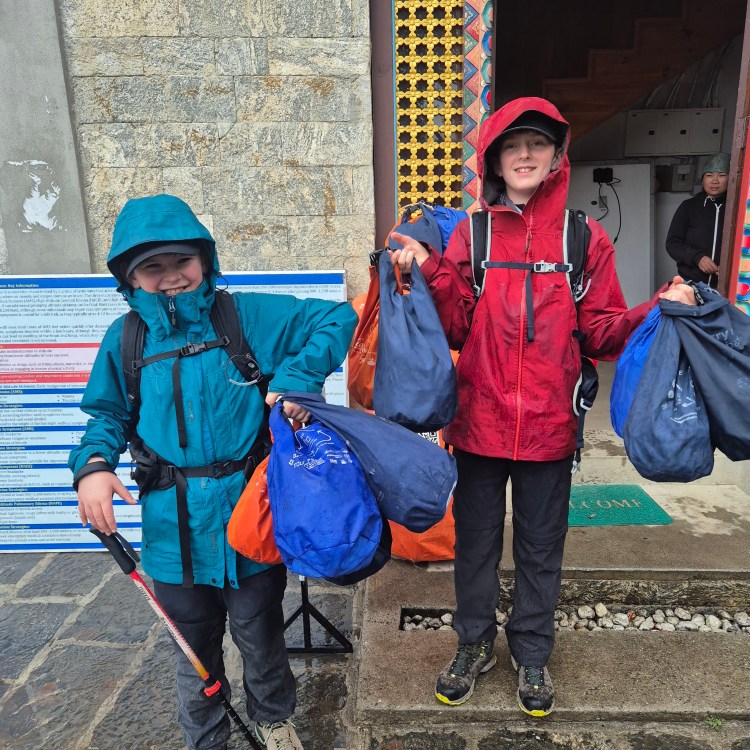
Rain/hard shell jacket (x1)
When choosing a jacket, Gore-Tex should be your top priority. After that, focus on versatility, durability, and practicality.
John brought a new Montane jacket (full Gor-tex), and kept him super dry. It kept him dry and being bright yellow, no one was missing him!
The boys and Martina wore Gore-Tex Rab jackets, which performed brilliantly. Even after days of exposure to the elements, they still look as good as new. Invest in quality gear, and it’ll pay off on the trail.
Hard shell thick fleece lined trousers (x1 not really needed)
We found thick, water-repellent trousers less useful but still helpful in the cold of the unheated Tea houses. . While you won’t need them during the hike, they’re perfect for staying warm and protected from the cold and wind if needed. A simple piece of gear for comfort at the end of the day.
Breathable waterproof trousers. (x1)
When it comes to waterproof trousers, Gore-Tex is a must. We’ve tried cheaper alternatives in the past, but they often leave you just as wet from sweat and condensation due to poor breathability.
Wwe all used Berghaus Paclite pants, and they were fantastic. Lightweight, breathable, and effective, they kept us dry when worn over regular trousers. A worthwhile investment for staying comfortable in wet conditions.
Midweight down jacket (x1)
Another essential you must not skimp on is a featherdown mid-layer. We used these all the time from the cool evenings a second layer when super cold. They were also great worn under waterproof jackets.
In the mountains, layering is key. We all had different brands, but the focus was finding a good-quality mid-weight featherdown jacket. Don’t hesitate to go to shops and try them on to ensure a proper fit and warmth.
Heavy weight/hi loft down jacket. (x1)
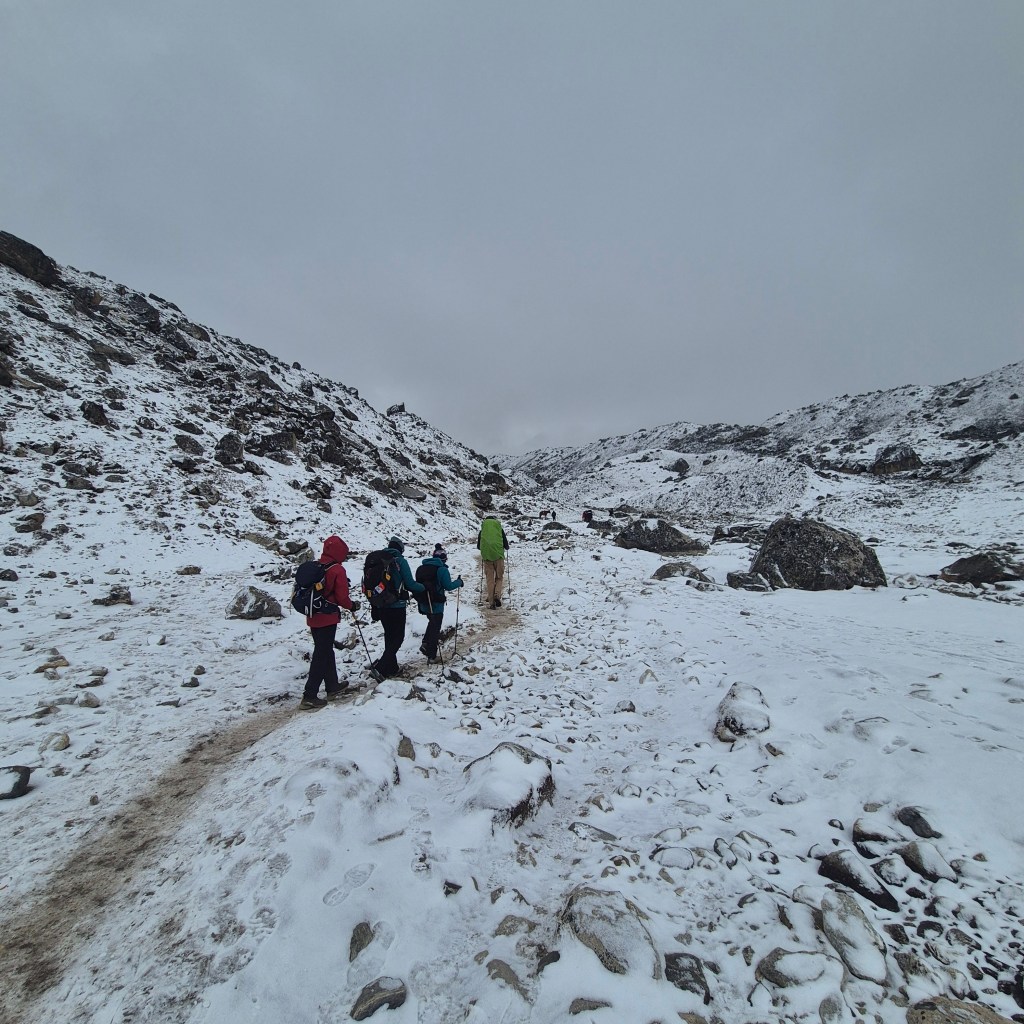
We are not going to pull any punches here. Spending a bit more (£300 each) on 4 Rab Positron Pro Down Jackets was one of the best decisions we made. It was a hefty investment, but we were advised not to skimp, and we 100% agree. These jackets are nothing short of incredible.
Mum and Dad tested them during a weekend in Iceland, where they slept in the car at -20°C, and they stayed warm and comfortable. In the mountains, the first thing we did in camp on cold nights was throw these jackets on, like wrapping ourselves in a warm marshmallow. On the EBC trail the bed rooms at high altitude are COLD. -22 cold so these are again essential to keep you warm.
For the boys, finding kid-sized down jackets was impossible, so we went with the smallest adult sizes and tightened the drawstrings to get a snug fit. They worked brilliantly and not once were we cold, even on the windiest, coldest nights and days. These jackets made all the difference.
Fleeces (x2)
Make sure you have at least two fleeces, as one might get wet during the hike, leaving you with a backup. Drying and washing clothes on EBC is near on impossible. We all had different brands, but they all served their purpose.
John opted for a micro fleece jacket, which worked well in keeping him warm, thanks to its pockets and hood. Traditional fleeces were also effective and they kept us warm, dried quickly when needed, and provided extra insulation. Having multiple layers like these proved invaluable throughout the trip.
Baselayers (x1 set)
Baselayers are another essential, though choosing the right ones can be tricky. John opted for basic Decathlon base layers, which worked well and were also great for the boys.
Martina splurged on merino wool sets, which she found effective but noted they can be a bit itchy. A key advantage of merino wool is that it doesn’t retain odors, which proved true in both Pakistan (20 days on the hike) and EBC.
Hats (x1 of each)
You will need a few different head accessories. A beanie/wool hat is essential but any will do, as long as it’s practical, though a combination of style and function works well too.
We also relied on baseball caps most days to keep the sun off during the day. We were lucky that Elite Exped provided us with their own branded versions.
Buff (x1)
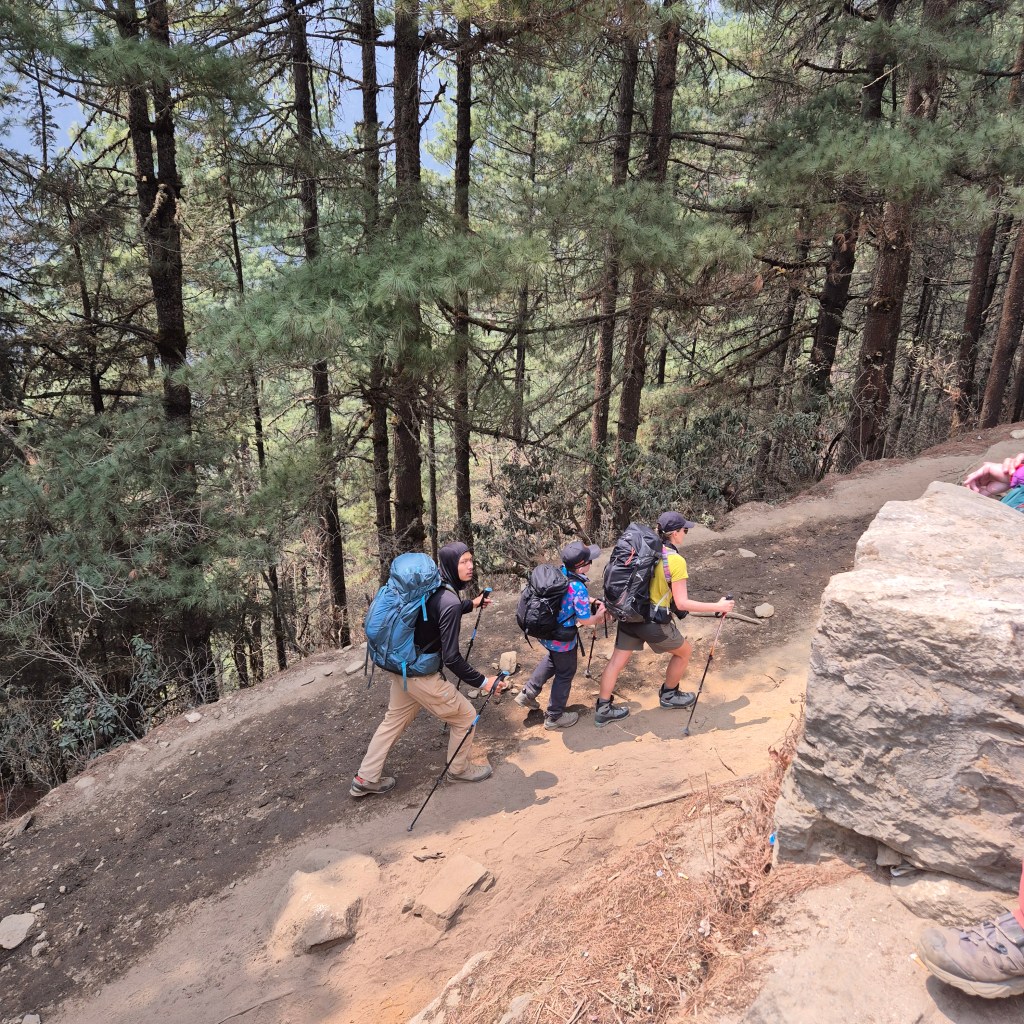
Buff have become one of our first items on our packing list due to their versatility and are an essential part of our gear wearing them in some form almost every day. Early on, they served as facemasks to protect against the dust, and later they transformed into neck warmers, keeping the cold wind off our necks. Any Buff will work, as long as it’s quick-drying.
Gloves mid and light weight (x2)
You will definitely need gloves. We found ourselves wearing thinner gloves during the hike and thicker ones when out and about after the hike. We made sure this year one set was Gore-tex so they did not get too wet when it rained keeping us dry and warm, no matter the conditions.
Trekking T shirts Merino wool (x3)
There are now plenty of options for T-shirts made from merino wool. John and the boys opted for merino wool T-shirts from Decathlon, while Martina chose hers and one for each of the boys from Isobaa, slightly pricier but of very high quality.

Trekking shorts (x1
There are no hard and fast rules here really. Look for something that’s comfortable, practical, and durable (NOT COTTON). We all wore shorts from Decathlon, which worked well, were comfortable, and looked great too.
Trekking trousers (x1)
Much the same as the shorts (NO COTTON) but durability is a bit more important here as the knees get scuffed on the sharp rocks. You can go for water resistance but if you have the decent over trousers that’s not really needed. Again all of us go ours from Decathlon and these did a great job.
Trekking socks (3 Pairs!)
Some members of our family… cough Ben… tend to have smelly feet when hiking. We were recommended merino wool socks, but after looking into it, we decided to stick with Decathlon, as they’ve always provided high-quality hiking socks. No issues, and they worked really well throughout the EBC trip.. but yes they smelled, some worse than others.
Underwear (3 Pairs!)
The boys have for years always struggled with chaffing on long hikes sometimes even on short hikes and so we have done a lot of research on the best pants with lots of trial and error. We have found that Danish Endurance is the best and worked super well. They are not cotton or wool but synthetic which also means quick drying when washing. they are so good we have all converted to these for hiking and exercise (running and football).
Head torch
We took 4 this time as they were important at night when there was no light in the rooms as the solar power died. Make sure you bring spare battery’s or ones that can be charged.
And that’s our list!
As you can see these is not a lot to take. You will have to slum it and smell and it is not a fashion parade. Remember that 15kg limit also includes camera (lenses and batteries), Go-Pro, Passport, medication and anything else you see as essential when you travel. It adds up quickly and we were literally counting grams as we packed. Don’t skimp on quality (Gore-tex/High Down) and for the flight wear as much as you can and make it the heavy stuff.
Full first aid kit list – Plasters, bandages, slings, Ibuprofen and paracetamol, Antibiotic cream, Travel sickness pills, Allergy medication, Doxycycline/Ciprofloxacin/Amoxicillin (antibiotics), Alcohol wipes, Medical tape, Steri-strips, Throat sweets, cough syrup, Eye drops (antibiotic if you can) Pro biotics/ Multi-vitamins (we took these everyday just because and definitely after we got ill), clean needle set.
 Family Russell-Smith Travel